
What is data union pay?
Data union pay is the compensation users receive when they contribute their personal data to a collective pool. Instead of selling information directly to corporations, these platforms bundle anonymized data from thousands of participants. When advertisers or researchers buy access to this aggregated dataset, the revenue is distributed back to the contributors.
Think of it like a digital co-op. You are not the product; you are a shareholder. The platform acts as the broker, handling the legal and technical heavy lifting of data anonymization and sales. In return, you receive a share of the profits, typically in cryptocurrency or stablecoins.
The amount you earn varies significantly based on the type of data you share. General browsing habits might yield pennies per month, while specialized health or financial data can command higher rates. It is important to understand that this is not a replacement for a salary. For most users, it is a passive side income that trades privacy for small, recurring payouts.
This model shifts the power dynamic. Traditional tech giants capture billions in data value. Data unions attempt to reclaim a fraction of that value for the individual. While the pay is modest, it offers a transparent alternative to the current surveillance economy.
Data union pay choices that change the plan
Before committing your digital footprint to a data union, you need to weigh the potential income against the real costs of participation. While the promise of passive income is appealing, the actual returns are often modest compared to traditional employment or even simple side hustles. Understanding the mechanics of payout, data quality requirements, and platform fees is essential to determining if data union pay is worth your time.
The Comparison: Data Unions vs. Traditional Data Work
The following table breaks down the key differences between participating in a data union and traditional data-related work. This comparison highlights why data unions are better suited for passive background earners rather than active income seekers.
| Feature | Data Union | Freelance Data | Employment |
|---|---|---|---|
| Income Type | Passive/Variable | Active/Fixed | Salary/Wage |
| Time Commitment | Low (Background) | High (Active) | High (Full-time) |
| Skill Requirement | Minimal | Specialized | Specialized |
| Payout Consistency | Unpredictable | Negotiable | Predictable |
| Data Privacy Control | High (User-owned) | Medium | Low |
Hidden Costs and Variable Returns
One of the biggest tradeoffs in data union pay is the variability of income. Unlike a salary, your earnings depend on the demand for your specific data type at any given moment. If you are sharing generic browsing history, the payout per gigabyte is often fractions of a cent. However, if you provide specialized telemetry or high-value IoT data, the rates can be significantly higher.
Additionally, you must account for platform fees and transaction costs. Many data unions operate on blockchain infrastructure, meaning gas fees or platform commissions can eat into your earnings. Some platforms also require you to hold specific tokens to participate in governance or access higher-paying data markets, adding financial complexity and risk.
Who Should Participate?
Data unions are not a replacement for a full-time job. They are best suited for individuals who already generate valuable data and want to monetize it without active effort. If you are a professional data analyst, you will likely earn more by freelancing your skills. However, if you are a tech enthusiast interested in digital privacy and want to test the waters of the data economy, data unions offer a low-barrier entry point.
Estimate Your Potential Earnings
Use the calculator below to estimate your potential monthly earnings based on your data volume and the current average payout rates. Note that this is a rough estimate and actual results may vary significantly.
How to choose the right data monetization model
Data union pay isn't a single product; it's a spectrum of models. Some platforms pay per byte, others offer dividends from collective bargaining, and a few operate like traditional data labor markets. Choosing the wrong model for your goals leads to low returns or privacy exposure.
Use this framework to decide where you fit. The goal is matching your technical comfort and privacy needs with the payout structure that rewards your specific data type.
Start by identifying what data you generate. High-frequency IoT sensor data, browsing history, or mobile location logs have different market values. Niche, high-quality data (like health metrics) often commands higher per-unit prices than generic browsing habits. If your data is common and easily replaced by competitors, data unions may offer lower individual payouts.
Look at how the platform compensates you. Some use a "data salary" model, offering a steady, predictable monthly stipend in exchange for continuous data sharing. Others use a "dividend" model, where you receive a share of the total revenue pool generated by the union. Dividend models can be volatile but potentially more lucrative if the union secures high-value enterprise contracts.
Check the granularity of consent. The best platforms allow you to toggle specific data streams on or off. Avoid platforms that require blanket access to your device. Look for protocols that use zero-knowledge proofs or data tokenization, ensuring buyers access anonymized insights rather than raw personal identifiers.

Use the tool below to estimate potential monthly income based on your data volume and the platform's typical per-unit rates. Remember, these are estimates. Actual payouts depend on market demand fluctuations and the specific contracts the union secures.
| Model | Payout Type | Best For |
|---|---|---|
| Data Salary | Fixed Monthly | Stable, predictable income |
| Revenue Share | Variable Dividend | High-volume data contributors |
| Per-Unit Sale | One-time Fee | Selling niche, high-value datasets |
Watch out for weak data union options
Many platforms promise steady income for sharing your data, but the reality is often different. The Data Union Framework bundles user data to sell access, yet payouts are rarely consistent. You need to check the math before you sign up.
The payout trap
Most schemes pay in volatile tokens or points that rarely convert to stable cash. A platform might show $50 in your dashboard, but the actual withdrawal value could be half that. Always verify the exit liquidity and withdrawal thresholds before committing time.
Hidden data costs
Sharing data consumes battery and mobile data. If a platform tracks your location or browsing history 24/7, the cost of your data plan may exceed your earnings. Calculate the real hourly rate by dividing total payout by hours tracked. Often, the result is less than minimum wage.
Privacy risks
Anonymization is often weak. Aggregated data can sometimes be de-anonymized if combined with other public datasets. If you are unwilling to risk your digital footprint for a few dollars a month, these options are not worth the tradeoff. Stick to platforms with clear, audited privacy policies and no third-party data sharing.
Data union pay: what to check next
Data unions operate as decentralized cooperatives that bundle individual user data to sell access to enterprises. Instead of a single company harvesting your information for free, the Data Union Framework—often built on networks like Streamr and Ethereum—aggregates this data and distributes the revenue back to members. This model shifts the power dynamic, treating personal data as a labor input that deserves direct compensation rather than a byproduct of free services.
The term "data salary" typically refers to the regular payouts members receive from these revenue pools. Unlike traditional employment wages, which are fixed by contract, data income fluctuates based on market demand for specific data types, such as location trends or shopping habits. Some platforms frame this as a "data dividend," while others treat it as a micro-wage. The key difference is that you are not an employee; you are a data provider selling access to your digital footprint.
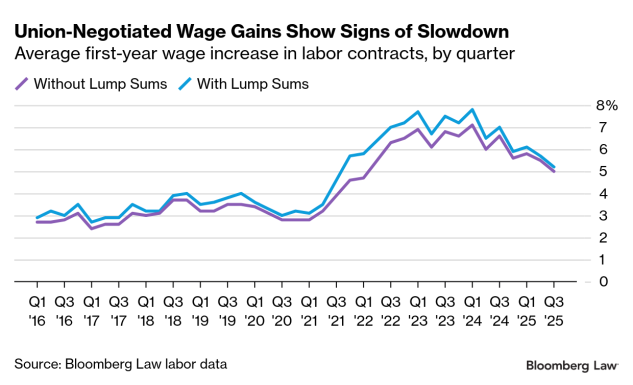
Earnings vary significantly depending on the union's size, the value of the data collected, and the frequency of payouts. While traditional union workers in the US see median weekly earnings that are substantially higher than non-union peers, data union payouts are often measured in cents or dollars per month. For most users, this is supplemental income rather than a replacement for a full-time job. However, for high-volume data generators, the cumulative effect can be meaningful.
If you are considering joining a data union, check the payout threshold and withdrawal frequency. Some platforms require a minimum balance before you can cash out, which can delay access to your earnings. Additionally, verify how the platform handles data privacy and whether you can opt out of specific data categories without losing your entire membership. Transparency in revenue distribution is the most critical factor in choosing a reliable data union.
No comments yet. Be the first to share your thoughts!