
What Data Union Pay actually does
Data Union Pay operates on a model that resembles a labor union but functions as a data-rights framework. Instead of negotiating wages for physical labor, members bundle their personal data—such as browsing habits, location history, or health metrics—and sell access to this aggregated dataset to artificial intelligence and machine learning firms. The revenue generated from these sales is then distributed back to the contributors, typically via stablecoins on a blockchain.
This mechanism shifts the value proposition from selling individual data points to selling collective insights. AI firms require massive, diverse datasets to train models, and buying directly from millions of individuals is inefficient. Data unions act as intermediaries, aggregating this information into sellable packages. Contributors receive a share of the profit, creating a passive income stream tied to their digital footprint.
The payout structure is transparent but volatile. Because the value of the data depends on market demand from AI companies, earnings fluctuate. Also, the use of stablecoins means payouts are subject to cryptocurrency exchange risks and regulatory changes. Users should view this not as a salary replacement, but as a monetization of data they are already generating.
How payouts and stability work
Data unions operate as a collective bargaining unit for information. Instead of a single corporation extracting value from your browsing history or location data, the Data Union Framework bundles individual contributions into a shared pool. When an enterprise or researcher pays to access this aggregated, anonymized dataset, the revenue is distributed back to the contributors. This model shifts the dynamic from passive surveillance to active, compensated data sharing.
The financial mechanics rely on transparency. Earnings are calculated based on the volume and quality of data contributed, often verified through blockchain records on networks like Ethereum. However, the volatility of cryptocurrencies can make these payouts unpredictable for everyday users. To solve this, most legitimate data monetization platforms settle payments in stablecoins such as USDC or USDT. These digital assets are pegged to the US dollar, ensuring that the value you earn today remains stable tomorrow, removing the risk of market swings.
Earning potential and reality
While the concept of passive income is appealing, the actual returns for individual users are modest. Data unions are not a replacement for traditional employment. For context, the average annual pay for a union worker in the United States is approximately $49,095, highlighting the scale difference between labor-based income and data-sharing stipends.
Active users can expect small, regular micro-payments. These earnings typically range from a few cents to a few dollars per month, depending on the specific data points shared and the current demand from buyers. The value lies in the aggregate; one person's data is negligible, but thousands of users combined create a dataset valuable enough to generate revenue. This model is best viewed as a small offset for costs rather than a primary income stream.
Compare payout structures
Different platforms handle distribution and currency differently. The table below compares common models found in the current data union landscape.
| Feature | Stablecoin Payout | Payout Frequency | Minimum Withdrawal |
|---|---|---|---|
| Streamr Data Union | Yes (USDC/USDT) | Daily | $0.01 |
| Traditional Ad Networks | No (Fiat) | Monthly | $25.00 |
| Direct Data Sales | Varies | Per Transaction | $10.00 |
| Survey-Based Platforms | No (Gift Cards) | On Completion | $5.00 |
Estimate your potential earnings
Use this tool to estimate your monthly earnings based on your daily activity. Note that this is a theoretical estimate based on average data union rates and does not guarantee actual income.
Privacy controls and data ownership
The central tension in the data monetization model is trust. Unlike traditional tech platforms that claim broad licenses to user data, legitimate data unions operate on a principle of collective bargaining. As defined by The Data Union, this framework asserts that individuals are entitled to fair compensation for the income generated by their personal data. This shifts the dynamic from passive data extraction to active, compensated sharing.
Data Union Pay aims to replicate this structure by giving users granular control over what they share. Rather than signing away rights in a dense terms-of-service agreement, users typically interact with a dashboard that allows them to select specific data categories. This could include browsing history, location pings, or device specifications. The platform then aggregates this information, often stripping personally identifiable information (PII) to protect individual identity while preserving the dataset's value for buyers.
How ownership and opt-out mechanics work
To maintain legitimacy, the platform must provide clear mechanisms for data ownership and withdrawal. In a robust data union model, users retain the right to opt out at any time. This is not merely a theoretical promise; it is often enforced through smart contracts on the underlying blockchain network, such as Ethereum. These contracts ensure that once a user revokes consent, their data is no longer sold or aggregated into new pools.
This transparency is critical for high-stakes privacy. Users should be able to see exactly which datasets are being sold and to whom. If the platform lacks this visibility, it operates more like a traditional data broker than a union. The ability to revoke access and verify that revocation has taken effect is the primary differentiator between ethical data monetization and exploitative surveillance.
Comparison: Data Union Pay vs. Standard Tech Terms
The following table contrasts the typical data handling practices of standard tech platforms with the proposed model of Data Union Pay.
| Feature | Standard Tech Platform | Data Union Pay Model |
|---|---|---|
| Data Ownership | Platform retains license; user grants broad rights | User retains ownership; platform acts as agent |
| Compensation | Free services in exchange for data | Direct monetary payment for shared data |
| Opt-Out Mechanism | Complex settings; data often retained in archives | One-click revocation; smart contract enforcement |
| Data Aggregation | Granular profiling for targeted advertising | Anonymized pools for market research |
| Transparency | Opaque third-party sharing | Visible dataset buyers and usage logs |
Security and verification
Security is the final pillar of privacy. Because users are selling valuable data, they become targets for bad actors. Data Union Pay must employ encryption both in transit and at rest. Also, the platform should undergo regular security audits to ensure that no backdoors exist that could leak user identities. Without these safeguards, the promise of privacy is hollow.
Users should also verify the platform's compliance with regulations like GDPR or CCPA. These laws provide a legal baseline for data rights, but data unions often go further by implementing technical safeguards that exceed legal requirements. This proactive approach to security is essential for maintaining user trust in a competitive and scrutinized market.
Alternatives and market context
Data Union Pay operates within a specific niche of the data monetization market known as "data unions." Unlike standard data brokers that harvest and sell information without user compensation, a data union framework bundles real-time user data with others to distribute revenue when third parties pay for access. This model is best understood by looking at established players like Streamr and Swash, which define the mechanics of how this sector functions.
Streamr Network, for instance, powers many of these applications on Ethereum, allowing users to earn by sharing unique data points. Swash takes a different approach, focusing on web browsing data rewards through its browser extension. While Data Union Pay aims to replicate this value exchange, the market remains fragmented. Users must evaluate whether the specific payout structure of Data Union Pay offers a better rate than these incumbents, or if the friction of setup outweighs the marginal gains.
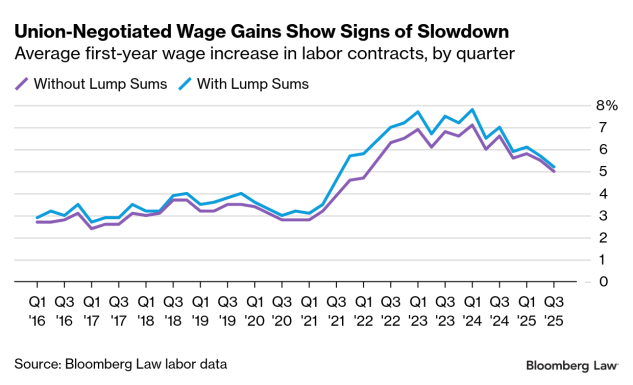
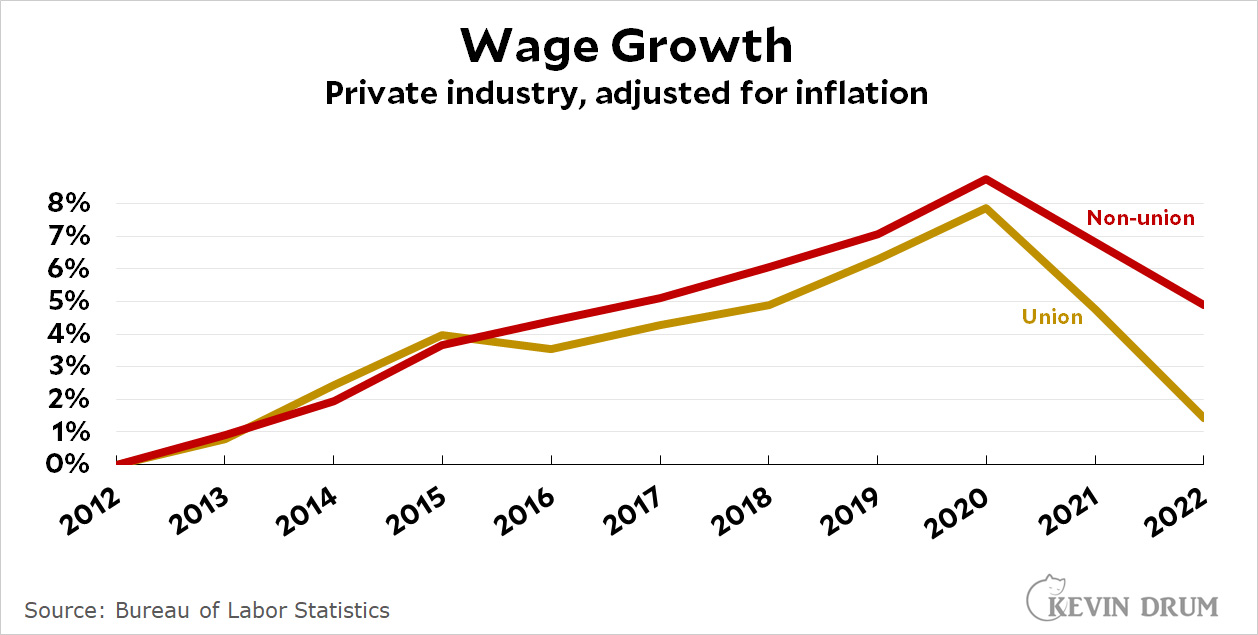
The economic reality of this sector is often overshadowed by hype. Traditional union labor statistics show significant wage premiums, but data unions do not offer collective bargaining power in the same way. Instead, they rely on volume and data specificity. As shown in the chart below, traditional union wage growth has faced headwinds, suggesting that data monetization should be viewed as a supplemental micro-income stream rather than a replacement for traditional labor structures.
Hardware for secure management
Participating in any crypto-adjacent data monetization platform requires secure storage for potential earnings. Using a hardware wallet is the standard for protecting these assets from digital theft.


As an Amazon Associate, we may earn from qualifying purchases.
Common questions about data unions
What are data unions?
A data union is a framework that bundles a user’s real-time data with others to create a collective dataset. This model, often powered by networks like Streamr and Ethereum, allows individuals to earn revenue when third parties pay to access these aggregated, valuable data streams. It shifts the dynamic from individual data sales to collective bargaining, aiming to provide a structured way for people to monetize their digital footprints.
What is the average pay of a union worker?
It is important to distinguish data unions from traditional labor unions. The average annual pay for a traditional union worker in the United States is approximately $49,095, according to recent salary data. Data unions do not offer salaries or wages; instead, they provide micro-payments or revenue shares based on data contribution. Expecting a full-time income from data unions is unrealistic, as payouts are typically small and variable depending on data demand.
How much can I earn from a data union?
Earnings from data unions are generally modest and inconsistent. Unlike a salary, payouts depend on the volume of data contributed and the current market demand for that specific data type. Most participants earn small amounts, often just a few dollars per month. The model is better suited for supplemental income rather than a primary revenue source, and actual returns vary significantly across different platforms and data types.
No comments yet. Be the first to share your thoughts!