

How data unions distribute revenue
Data unions operate as a crowdsourcing and crowdselling mechanism for personal information. By bundling individual data streams with those of other participants, they create a collective dataset that holds greater value than isolated records. This framework, often built on networks like Streamr and Ethereum, allows users to monetize their digital footprint directly rather than through intermediary platforms.
The core mechanism relies on smart contracts to manage revenue sharing. When an enterprise or researcher pays to access the aggregated data, the smart contract automatically distributes the proceeds to participating members. This process ensures transparency and reduces the administrative overhead typically associated with micropayments, aligning compensation directly with data contribution.
This model shifts the economic dynamic of the Web3 data economy. Instead of data being extracted without compensation, individuals retain ownership and receive a share of the income generated by its use. The framework establishes a baseline for fairer data monetization, where users are compensated for the unique and valuable information they provide.
Estimate Your Data Union Pay
Data unions operate by pooling individual data contributions to create larger, more valuable datasets for buyers. The revenue generated from these sales is then distributed among members based on their specific contributions. Because payout models vary significantly across platforms, there is no single standard rate. However, you can estimate your potential earnings by understanding the core variables: your data volume, the platform's payout rate, and the total pool size.
The calculation below uses a simplified model to project monthly earnings. It assumes a linear relationship between data points contributed and revenue share. Note that this is an estimate only; actual payouts depend on platform-specific algorithms, buyer demand, and network activity.
To refine this estimate, consider how your data points are weighted. Some platforms prioritize unique data types or high-frequency updates. For a deeper understanding of how these frameworks function, refer to the official Data Union documentation.
Compare top data union platforms
Selecting the right platform requires aligning your data output with the platform's monetization model. Streamr, Swash, and The Data Union each operate with distinct payout structures, privacy guarantees, and technical requirements. The table below contrasts these core operational metrics.
| Platform | Payout Currency | Min. Threshold | Data Type | Privacy Model |
|---|---|---|---|---|
| Streamr | DATA (ERC-20) | Variable | Sensor & IoT | Pseudonymous via Ethereum wallet |
| Swash | SWASH (ERC-20) | 100 SWASH | Browser Telemetry | Aggregated, no direct PII |
| The Data Union | ETH (Ethereum) | 0 ETH | General Web Usage | Decentralized identity, no PII |
Streamr focuses on real-time data streams, often sourced from IoT devices, while Swash aggregates browser telemetry. The Data Union operates as a broader framework that can integrate with various networks. Understanding these differences is essential for estimating potential returns.
Factors affecting your data union earnings
Payouts in decentralized data networks are not fixed wages; they are market-driven shares of revenue. Understanding the variables that influence these payouts helps manage expectations for Data Union Pay 2026. The final amount you receive depends on three primary factors: data rarity, buyer demand, and pool size.
Data Rarity and Quality
Not all data points hold equal value. Buyers typically pay a premium for unique, high-resolution, or hard-to-obtain data over common or redundant information. For example, real-time traffic data from a remote rural intersection may command a higher price per megabyte than frequent updates from a densely monitored urban highway. The Data Union Framework operates on the principle that contributors are rewarded for the scarcity and utility of their specific data contribution rather than just the volume of data uploaded.
Buyer Demand and Market Liquidity
Your share of the pool is directly tied to the current demand for your specific data type. If few enterprises are purchasing location data at a given time, the price per data unit drops, reducing individual payouts. Conversely, high demand from advertisers or logistics firms can spike prices. This dynamic means earnings can fluctuate significantly from month to month based on broader economic trends and corporate data procurement cycles.
Pool Size and Competition
The number of active contributors in your specific data union pool affects individual earnings. In a smaller pool with high demand, your share of the revenue pie is larger. As more users join the same data stream, the total revenue is divided among more participants, potentially diluting individual payouts unless new buyers enter the market to absorb the increased supply. This dynamic mirrors traditional labor markets where wages adjust based on the ratio of supply to demand.
The calculator above provides an estimate based on average market rates. It assumes a stable demand environment and does not account for sudden market shifts, changes in pool size, or variations in data quality scores. Treat the output as a baseline projection for planning purposes, not a guaranteed income statement.
Data ownership and legal considerations
Monetizing personal data through a Data Union involves significant privacy, tax, and contractual complexities. Because you are selling unique behavioral datasets, understanding your rights and obligations is essential before participating.
Privacy rights and consent
Data unions operate on the premise that individuals retain ownership of their data while licensing it for commercial use. However, the specific terms of service dictate how that data is aggregated, anonymized, and shared with buyers. You must review the union’s privacy policy to understand if your data is truly anonymized or if it can be linked back to your identity under certain conditions. Regulatory frameworks like GDPR in Europe or CCPA in California grant you specific rights to access, correct, or delete your data, but these protections vary by jurisdiction and may not fully cover decentralized data sales.
Tax implications of crypto income
Payments from Data Unions are typically distributed in cryptocurrency. In many jurisdictions, including the United States, the IRS treats cryptocurrency as property. This means every transaction—earning, holding, or spending—may trigger a taxable event. You are responsible for reporting this income on your tax returns, calculating the fair market value at the time of receipt. Failure to report crypto income can lead to penalties and audits. Consult a qualified tax professional to understand your specific liabilities, as laws regarding digital assets are evolving rapidly.
Terms of service risks
Participating in a Data Union requires agreeing to terms of service that may include broad licenses for your data. These agreements often grant the union the right to use, modify, and distribute your data indefinitely. Be aware that some terms may limit your ability to sue or require arbitration. Always read the fine print carefully. If you have concerns about data privacy or contractual obligations, consult legal counsel to review the terms before signing up.
Consult a tax professional regarding crypto income and consult legal counsel regarding data privacy laws in your jurisdiction.
Common questions about data union pay
The Data Union Framework is a crowdsourcing and crowdselling solution that bundles user data to sell collectively. Working with networks like Streamr and Ethereum, it allows individuals to earn revenue by sharing unique data points rather than selling their entire digital identity. This model contrasts with traditional labor unions, which negotiate wages for physical or professional services rather than digital assets.
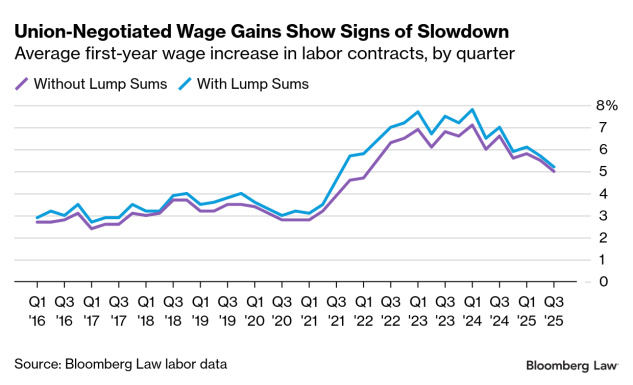
Traditional union wages are often higher than non-union counterparts, with data suggesting a roughly 15% earnings premium for unionized workers in standard labor markets. Data union pay operates differently; it is not a salary but a micro-transaction share based on the volume and value of the data contributed to the collective pool.
The following FAQs clarify how these payments work and what to expect from decentralized data monetization.
No comments yet. Be the first to share your thoughts!