
Prerequisites for Instant Cross-Border Settlements
Before integrating Data Union Pay or any real-time settlement layer, you need to verify the technical and regulatory foundations. Instant cross-border payments settle in seconds rather than days, but they require infrastructure that traditional correspondent banking chains lack. You are replacing a multi-bank relay race with a direct digital handoff, which demands higher upfront preparation.
1. Verify Regulatory Compliance and Licensing Cross-border transactions pass through multiple jurisdictions. Ensure your entity holds the necessary money transmitter licenses or e-money institution status in the key markets you serve. Real-time payments often trigger stricter anti-money laundering (AML) and know-your-customer (KYC) checks. If you are building a B2B solution, confirm that your partners comply with local data residency laws, as transaction data cannot always be routed through a single global cloud.
2. Confirm FX Liquidity and Sourcing Instant settlements require immediate foreign exchange conversion. You need access to deep liquidity pools to source currencies at competitive rates without holding excessive capital. Traditional banks often delay FX execution to manage risk; real-time systems must execute trades instantly. Verify that your payment processor or Data Union Pay integration can guarantee fixed-rate or near-spot FX execution at the moment of transaction initiation.
3. Audit Technical Latency and Uptime Real-time payments leave no room for batch processing delays. Your systems must handle 24/7/365 uptime with sub-second response times. Test your API integrations against the target country’s local instant payment rails (such as SEPA Instant in Europe or FedNow in the US). Ensure your error-handling protocols can manage failed transactions without leaving funds in limbo, as there is no overnight window to correct mistakes.
4. Calculate True Cost Structures While instant payments reduce working capital costs, transaction fees can be higher than traditional wire transfers. Compare the per-transaction cost of real-time rails against the hidden costs of delayed settlements, such as cash flow gaps and manual reconciliation labor. For micro-transactions, even a $0.50 fee can erase margins, so ensure your pricing model accounts for the premium of immediacy.
Place the mic step by step
Setting up instant cross-border settlements requires moving away from the traditional correspondent banking chain, where transactions pass through multiple intermediaries, each adding fees, delays, and compliance checks. In 2026, the goal is to reduce this friction by leveraging real-time payment rails and stablecoin infrastructure for micro-transactions. This section walks through the practical steps to implement a system that settles in seconds rather than days.
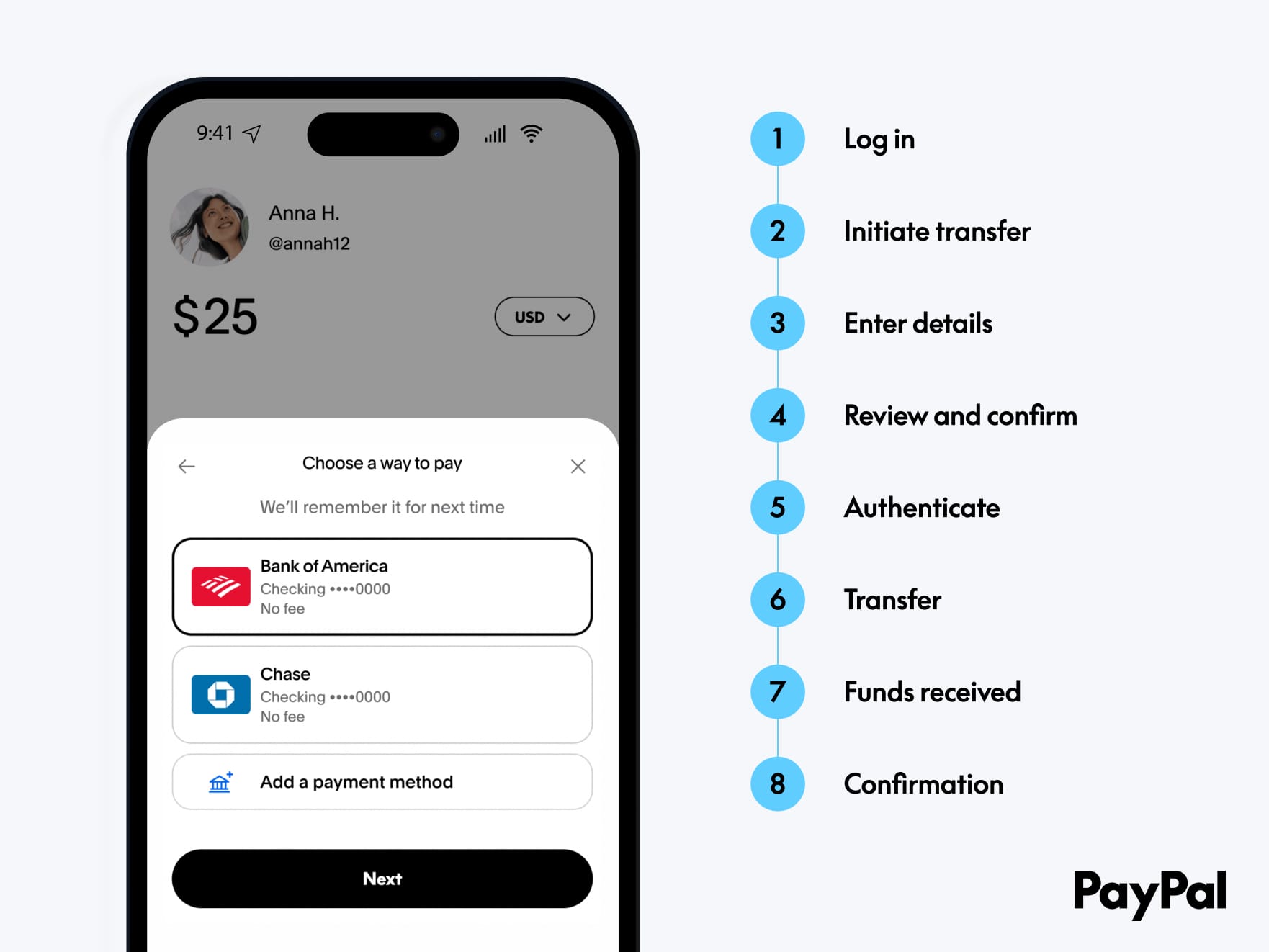
Start by selecting a payment rail that supports 24/7 settlement. Traditional SWIFT messages often take days to clear. Instead, integrate with networks like FedNow, RTP, or SEPA Instant for domestic legs, and use cross-border partnerships that mirror these capabilities. Look for rails that offer immediate finality, meaning the recipient’s bank account is credited instantly, reducing the need for float or pre-funded nostro accounts.

For currency conversion, use a regulated stablecoin like USDC as a bridge asset. Instead of sourcing foreign exchange (FX) through multiple banks, which adds spread and latency, convert fiat to stablecoin, send it across the blockchain, and convert it back to the recipient’s local fiat. This approach significantly reduces costs and settlement times, especially for micro-transactions where traditional FX fees can be prohibitive.

Real-time settlement doesn’t mean skipping compliance. Integrate automated KYC (Know Your Customer) and AML (Anti-Money Laundering) checks at the onboarding stage. Use API-driven screening tools that verify identities and check against sanctions lists in milliseconds. This ensures that every transaction is compliant without introducing manual bottlenecks that would negate the speed benefits of the rail.

Provide users with multi-currency wallets that can hold both fiat and stablecoins. This allows for seamless conversion at the point of sale or transfer. Ensure the wallet provider supports instant liquidity for major currencies so that when a user converts from a stablecoin to fiat, the funds are available immediately for withdrawal or further use.

Before going live, run rigorous tests to measure the end-to-end time from initiation to final settlement. Include variables like network congestion, banking hours in different time zones, and compliance review times. Aim for a settlement time of under 10 seconds for 95% of transactions. Use this data to optimize your integrations and manage user expectations.
Once the technical infrastructure is in place, use this checklist to ensure your system is ready for production:
-
Verify real-time rail partnerships with at least two major banks in different regions.
-
Confirm stablecoin liquidity pools are sufficient for expected transaction volumes.
-
Test automated compliance APIs for false positive rates and speed.
-
Ensure multi-currency wallets support instant fiat withdrawals.
-
Conduct load testing to simulate peak transaction times.
Mistakes that muddy the sound
Even with faster rails, cross-border payments often stall or fail due to avoidable errors. These mistakes create friction that defeats the promise of instant settlement. Fixing them requires attention to detail at every step of the chain.
Unclear or incomplete beneficiary data
Missing or incorrect beneficiary details are the most common cause of payment rejection. A single typo in a SWIFT code or an incomplete address can halt a transaction for days. Banks often hold funds for manual review when data is ambiguous, breaking the "instant" promise. Always double-check recipient identifiers before sending.
Ignoring correspondent banking fees
Traditional cross-border transfers often pass through multiple intermediary banks. Each bank may deduct a fee, leaving the recipient with less than expected. This "mystery deduction" creates poor outcomes for both sender and receiver. Data Union Pay and similar modern solutions often use direct liquidity or stablecoins to bypass these intermediaries, ensuring the full amount arrives.
Overlooking regulatory compliance checks
Transactions trigger automated compliance screens for anti-money laundering (AML) and know-your-customer (KYC) rules. If the payment description or sender information triggers a false positive, the funds are frozen until a human reviews them. Clear, accurate payment descriptions and pre-verified recipient accounts help avoid these delays. Never use vague descriptors like "payment" or "gift" for business transactions.
No comments yet. Be the first to share your thoughts!