
What is Data Union Pay?
Data Union Pay is a platform that turns your browsing history into a revenue stream. It operates on a straightforward premise: you grant the service access to your anonymized web data, and in return, you receive payments in stablecoins. This model attempts to disrupt the traditional advertising industry, where tech giants profit from user behavior without sharing the proceeds with the actual data creators.
Think of it as a digital union for individual consumers. Just as labor unions negotiate wages for workers, data unions like Data Union Pay seek to aggregate individual data contributions to create leverage. The goal is to ensure users receive compensation for the digital exhaust they leave behind during routine online activity. It is not a job, nor is it a salary. It is a micro-payment model for passive data contribution.
The mechanism relies heavily on privacy-preserving technology. Your identity is stripped from the data before it leaves your device or is sent to the platform. The value lies in the aggregate patterns—what you buy, where you click, and how you plan around the web—not in who you are. This distinction is critical for a Data Union Pay review, as it separates legitimate data monetization from invasive surveillance tracking.


As an Amazon Associate, we may earn from qualifying purchases.
How stablecoin payouts work in the Data Union Pay review
The Data Union Pay review reveals a system that is less about selling your browsing history and more about aggregating it into a format that blockchain networks can actually process. Unlike traditional ad-tech models that track every click across the web, this approach relies on a specific technical flow: data collection, anonymization, aggregation, and conversion to stablecoins. Understanding this pipeline is essential for evaluating whether the effort is worth the payout.
1. Connect and Collect
The process begins with a browser extension or SDK that sits quietly in the background. It does not sell your personal identity; instead, it captures metadata about your internet usage. This includes which websites you visit, how long you stay, and what categories of content you engage with. The data is collected locally on your device, meaning the raw information never leaves your computer until it is processed.
2. Anonymize and Aggregate
Before any data leaves your device, it undergoes a strict anonymization protocol. Personal identifiers are stripped away, and the remaining metadata is hashed. This data is then aggregated with millions of other users' data points. By combining individual signals into a large statistical pool, the platform ensures that no single user can be identified. This aggregated dataset is what is actually sold to advertisers or data brokers, providing them with broad market trends rather than individual surveillance.
3. Convert to Stablecoins
The final step is the payout. Advertisers pay the platform in cryptocurrency, which is then distributed to users. To avoid the volatility risks associated with tokens like Bitcoin or Ethereum, Data Union Pay typically converts these earnings into stablecoins like USDC or USDT. These tokens are pegged to the US dollar, providing a predictable value for your data. Users can then withdraw these funds to a crypto wallet or exchange, subject to minimum withdrawal thresholds.
Download and install the official Data Union Pay browser extension. This tool acts as the gateway for data collection, ensuring your browser is ready to participate in the network.
Configure your privacy settings within the extension. You can choose which categories of data to share, balancing potential earnings with your personal privacy preferences.

Once your aggregated data contribution meets the threshold, earnings in USDC or USDT are deposited into your connected wallet. You can then hold or trade these stablecoins.
Volatility and Withdrawal Thresholds
While stablecoins mitigate the risk of price crashes, they are not immune to all financial risks. The primary concern is the withdrawal threshold. Most platforms require a minimum balance before you can cash out, meaning you might accumulate data for weeks before seeing any tangible return. Additionally, transaction fees on the blockchain network can eat into small payouts. For casual users, the net earnings may be negligible compared to the computational resources and battery life consumed by the extension.

As an Amazon Associate, we may earn from qualifying purchases.
Data Union Pay vs competitors
Use this section to make the Data Union Pay Review decision easier to compare in real life, not just on paper. Start with the reader's actual constraint, then separate must-have requirements from details that are merely nice to have. A practical choice should survive normal use, maintenance, timing, and budget. If a recommendation only works in an ideal situation, call that out plainly and give the reader a fallback path.
| Factor | What to check | Why it matters |
|---|---|---|
| Fit | Match the option to the primary use case. | A good deal still fails if it does not fit the job. |
| Condition | Verify age, wear, and service history. | Hidden condition issues erase upfront savings. |
| Cost | Compare purchase price with likely upkeep. | The cheapest option is not always the lowest-cost option. |
Is the income actually passive?
The promise of "passive income" is the primary hook for Data Union Pay, but the reality is far more modest. If you are looking to replace a salary or even cover a utility bill, this platform will not deliver. The earnings are marginal, typically amounting to pennies per day for the average user. It is best viewed as digital pocket change rather than a viable side hustle.
Your actual returns depend heavily on two volatile factors: your geographic location and your browsing habits. Users in North America and Western Europe often see slightly higher payouts due to advertiser demand, while those in other regions may earn almost nothing. Also, the more you browse, the more data you generate, and the more you earn. This means the income is not truly passive; it requires you to keep the extension active and your browser open, which raises questions about privacy and convenience.
Be wary of any narrative suggesting you can get rich quick with data monetization. The economics of data selling are driven by volume and aggregation, not individual contribution. For most people, the time spent managing these extensions yields a return that is negligible compared to the potential privacy trade-offs.
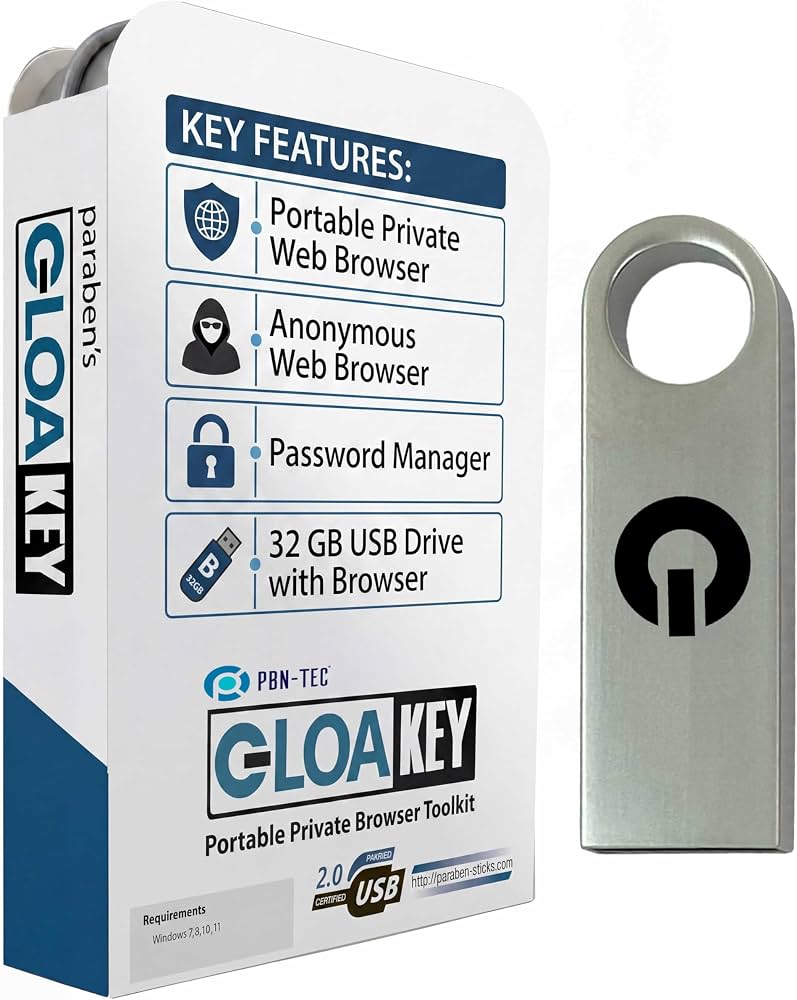
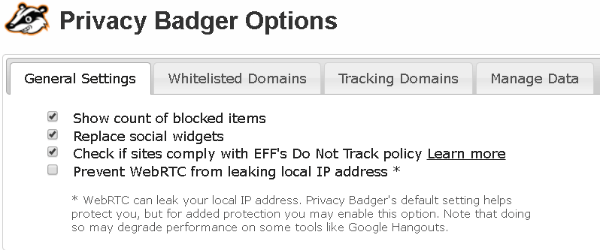
If you are interested in data privacy tools that offer tangible utility beyond small cash payouts, consider investing in hardware that secures your digital identity rather than selling it.


As an Amazon Associate, we may earn from qualifying purchases.
Data Union Pay review: privacy and security trade-offs
The core tension in any Data Union Pay review is the exchange you are making. You trade personal browsing data for money. This is not a free lunch; it is a transaction where your digital footprint is the currency. To understand if the payout is worth the exposure, you must look at what is actually collected and how it is protected.
The extension runs in the background, logging visits to participating sites. The company claims to anonymize this data before selling it to advertisers, stripping away names and direct identifiers. In theory, this creates a privacy-safe aggregate. In practice, the level of anonymity depends entirely on the company's internal security protocols and their willingness to be transparent about data breaches. If they fail to anonymize properly, your browsing habits could be linked back to you, regardless of the promises made in their privacy policy.
Security is further complicated by the permissions the extension requires. To function, it needs access to your browsing history and potentially cookies. This is a significant amount of trust to place in a third-party script. A compromised extension or a data leak from the company’s servers could expose sensitive browsing patterns. You are essentially inviting a stranger into your browser to watch what you do, hoping they only take a small fee for the view.
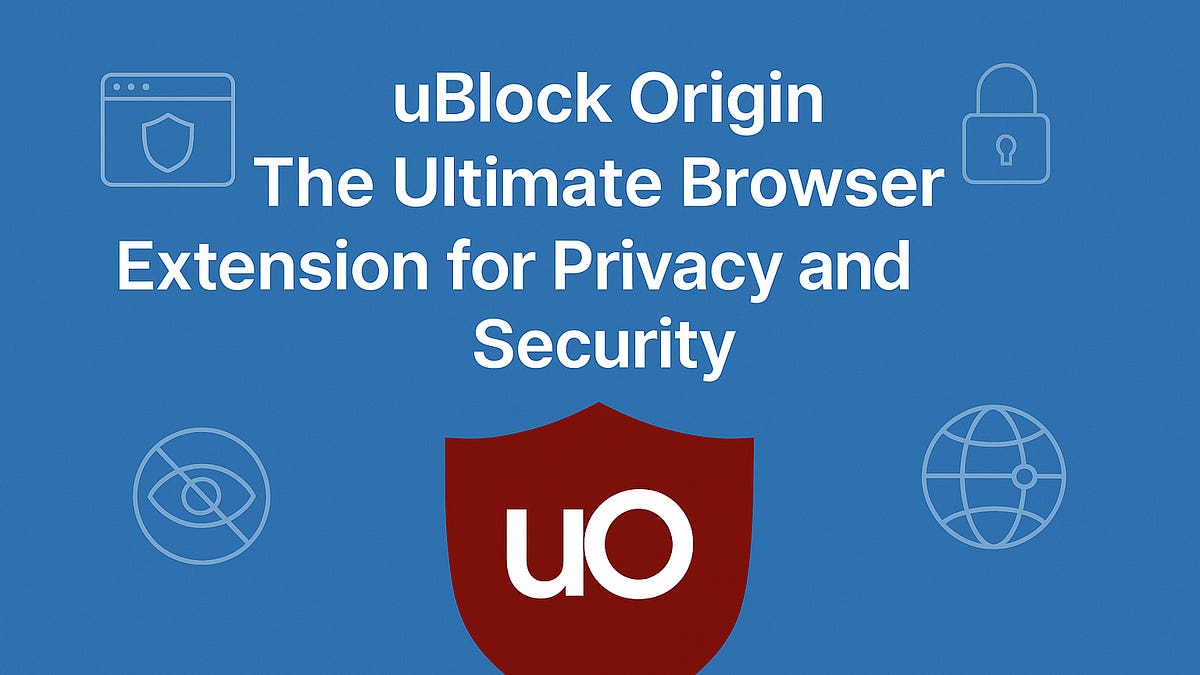
Recommended Privacy Tools
If you are skeptical about the security model of Data Union Pay, consider using dedicated privacy tools to limit exposure while browsing.

As an Amazon Associate, we may earn from qualifying purchases.
The bottom line is that convenience comes at a cost. If you value absolute privacy, the risks may outweigh the small payouts. However, if you are willing to accept some exposure for minor compensation, Data Union Pay offers a straightforward, if somewhat risky, way to monetize your idle browsing.
Data Union Pay review: common questions about legality, taxes, and withdrawals
Users often hesitate to join data monetization platforms because the rules feel unclear. This Data Union Pay review section addresses the practical concerns that usually stop people from signing up. We focus on the legal standing, tax responsibilities, and how to actually get your money out.
Is using a data union legal?
Yes, data unions are legal. They operate under the same principles as labor unions, but for digital information. The goal is to ensure people receive compensation for the data they produce, which is a recognized concept in informational democracy. You are selling your own data, not stealing it. However, always read the specific terms of service for the platform you join to ensure they handle data anonymization correctly.
Do I have to pay taxes on data earnings?
In the United States, yes. The IRS treats income from data monetization as self-employment or miscellaneous income. You must report these earnings on your tax return. Because the amounts are often small, people forget to track them. Keep a simple spreadsheet of your payouts. If you earn over $600 from a single platform in a year, you will likely receive a tax form (1099-NEC) from the service.
How much can I withdraw from my account?
Withdrawal limits vary by platform. Some pay out daily via crypto, while others have monthly minimums of $10 or $20. Check the "Wallet" or "Payouts" section of your dashboard for the current threshold. Be aware that some services charge a small fee for instant transfers to bank accounts or wallets.
What privacy tools should I use alongside data monetization?
If you are serious about protecting your identity while sharing data, consider using hardware wallets for crypto payouts and reputable password managers. These tools add a layer of security that prevents unauthorized access to your earnings.


As an Amazon Associate, we may earn from qualifying purchases.
No comments yet. Be the first to share your thoughts!