
What data union pay actually is
Data union pay is a compensation model where users earn income from their personal data by pooling it with others through blockchain-based networks. Instead of companies extracting value from user activity without sharing the profits, this mechanism ensures that individuals receive a direct share of the revenue generated when their data is accessed or licensed.
In the traditional digital economy, platforms like social media networks and search engines profit immensely from user-generated content and behavioral data, while users receive only free services in return. Data union pay flips this dynamic. It treats personal data as a tangible asset that belongs to the creator—the user—rather than the platform hosting it. When a business purchases access to aggregated, anonymized datasets for market research or advertising targeting, the proceeds are distributed back to the contributors.
This model relies on decentralized infrastructure to manage data aggregation, privacy, and payment distribution transparently. Platforms like Streamr and Swash exemplify this approach by allowing users to earn cryptocurrency or tokens for sharing browsing habits, location data, or device information. The result is a more equitable economy where the creators of digital value are also its beneficiaries.
Best data union pay platforms for 2026
Data union pay is shifting from a theoretical framework to a practical reality for web3 users. Instead of selling personal data to centralized corporations, platforms now allow you to bundle your digital footprint with others, creating collective bargaining power. This approach ensures that the value generated by your activity returns to you and the community.
The following platforms represent the most viable options for 2026. They vary in focus, from browser-based data collection to decentralized network infrastructure, but all prioritize creator data ownership.
Streamr
Streamr is a decentralized data marketplace that operates on a peer-to-peer network. It allows users to sell data streams—such as IoT sensor data or browser activity—directly to buyers. The platform uses blockchain technology to ensure transparency and automate payments, removing the middleman.
For creators, Streamr offers a high degree of control. You decide what data to share and with whom. The platform’s infrastructure is built to handle real-time data, making it suitable for users who generate continuous streams of information. It is one of the most established names in the space, providing a reliable entry point for those new to data union pay.
Swash
Swash is a privacy-focused web browser that rewards users for sharing anonymized browsing data. Unlike traditional browsers that monetize user behavior through ads, Swash shares a portion of that revenue with its users. It operates on a simple model: you browse, you earn.
The platform is particularly accessible for casual users. There is no complex setup required; you simply install the browser and opt-in to data sharing. Swash handles the anonymization process, ensuring that your identity remains protected while your data contributes to the collective pool. This makes it an ideal choice for those looking to participate in data union pay without technical overhead.
The Data Union
The Data Union is a broader initiative focused on the legal and economic frameworks of data ownership. It advocates for a system where individuals are recognized as the rightful owners of their data. The platform provides tools and resources to help users understand their rights and negotiate fair compensation.
While less of a direct marketplace and more of a movement, The Data Union plays a critical role in the ecosystem. It supports the development of standards and protocols that enable other platforms to function fairly. Participating in The Data Union means supporting the long-term goal of a decentralized data economy where creators are paid equitably.
Choosing the Right Platform
Selecting the right data union pay platform depends on your technical comfort and the type of data you generate. Streamr is best for those with specific data streams to sell, such as IoT devices or detailed analytics. Swash is ideal for everyday browsers who want passive income. The Data Union serves those interested in the broader advocacy and legal aspects of data ownership.
Regardless of the platform, the core benefit remains the same: you retain control over your digital identity and are compensated for its use. This shift away from centralized data harvesting is a significant step toward a more equitable internet.

As an Amazon Associate, we may earn from qualifying purchases.
How stablecoin payouts work in practice
Use this section to make the data union pay decision easier to compare in real life, not just on paper. Start with the reader's actual constraint, then separate must-have requirements from details that are merely nice to have. A practical choice should survive normal use, maintenance, timing, and budget. If a recommendation only works in an ideal situation, call that out plainly and give the reader a fallback path.
The simplest way to use this section is to write down the must-have criteria first, then compare each option against those criteria before weighing nice-to-have features.
Security and privacy considerations
Data union pay models rely on a fundamental promise: you retain ownership of your digital footprint. However, the infrastructure powering these platforms introduces specific risks that users must understand before participating. The primary concern is always data privacy. While platforms like Streamr and Swash promise anonymity, the nature of blockchain transactions creates a permanent, public ledger of your activity. If personal data is linked to your wallet address, your spending habits, browsing history, and location data become permanently traceable by anyone who can read the blockchain.
Smart contract vulnerabilities represent the second major risk. Because data union pay operates on decentralized networks, the code governing payouts and data access is immutable once deployed. If a platform like Streamr has a bug in its smart contract, there is no customer service team to reverse a transaction or recover lost funds. Swash, which operates as a browser extension, relies on its own security protocols to anonymize data before it hits the chain, but users must trust that the extension itself does not leak data locally. Always verify that the platform uses zero-knowledge proofs or similar cryptographic methods to ensure your raw data never leaves your device in a readable format.
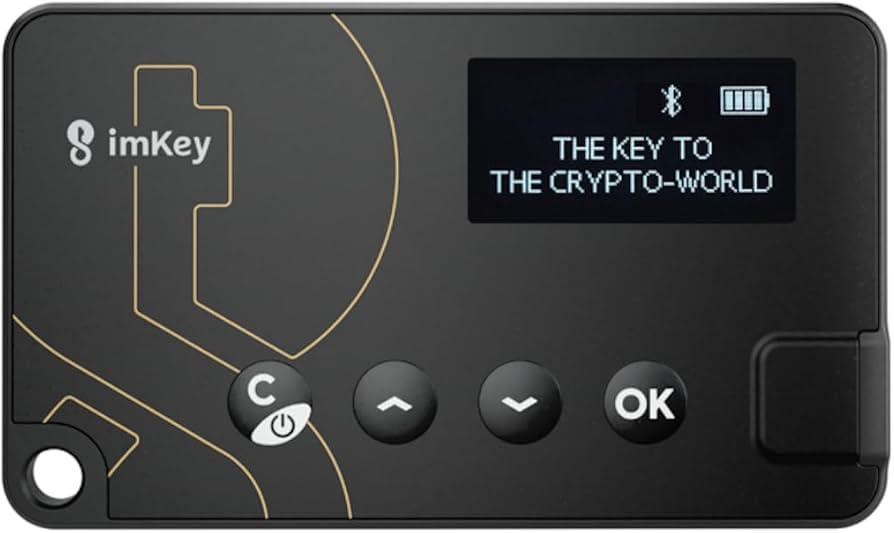
Self-custody is the most critical aspect of this ecosystem. When you use a data union pay platform, you are typically responsible for your own private keys. If you lose access to your wallet, your accumulated data credits and earnings are gone forever. Conversely, if your device is compromised, attackers can drain your wallet. Unlike traditional banks, there is no central authority to freeze fraudulent transactions. This responsibility is the price of true ownership. You must use hardware wallets for significant holdings and enable two-factor authentication on any associated web accounts. The freedom to monetize your own data comes with the burden of securing it yourself.
Frequently asked questions about data union pay
Is data union pay taxable?
Yes, earnings from platforms like Streamr and Swash are generally treated as taxable income by the IRS. Because data union pay involves receiving cryptocurrency or stablecoins for sharing your data, you must report these transactions on your tax returns. Keep detailed records of your earnings and any platform fees to ensure accurate reporting.
How do I withdraw my earnings from data union pay platforms?
Most platforms allow you to withdraw earnings directly to your connected crypto wallet. Streamr, for example, lets you collect DATA tokens which you can then transfer or swap for stablecoins. Swash typically pays out in a similar manner. Always verify the minimum withdrawal threshold on the specific platform before initiating a transfer.
Which data union pay platforms are safest for beginners?
Streamr and Swash are widely considered the most accessible options for newcomers. They offer intuitive interfaces that require minimal technical setup. Streamr provides a clear dashboard for tracking data contributions, while Swash integrates easily with browser extensions. Both platforms prioritize creator data ownership, ensuring you retain control over your information.
Can I earn significant income with data union pay?
Earnings vary based on the platform, your data volume, and current market demand. Data union pay is best viewed as a supplementary income stream rather than a primary salary. While some users report modest monthly returns, results depend heavily on how much data you are willing to share and the specific use cases of the buyers.
No comments yet. Be the first to share your thoughts!