
What is data union pay
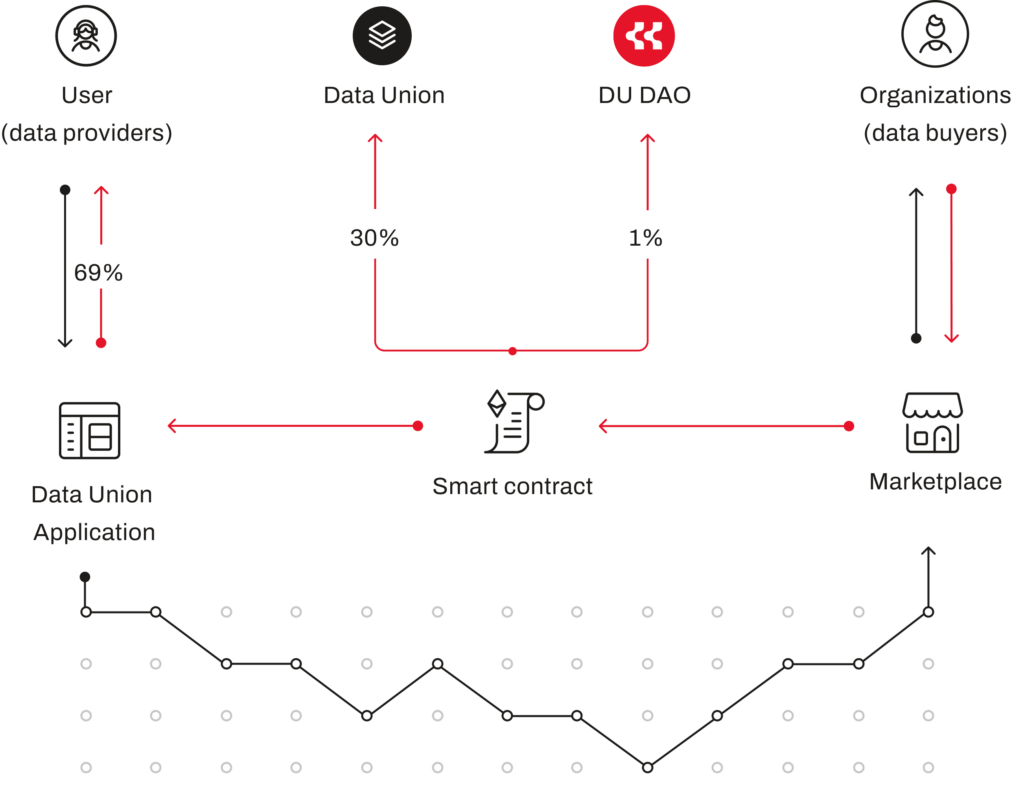
Data union pay refers to a decentralized economic model where users collectively own and monetize their personal data. Unlike traditional platforms that harvest user information for profit without compensation, data unions operate as member-owned cooperatives. These entities aggregate individual data points—such as browsing habits, purchase history, or health metrics—into a shared pool that holds significant market value.
The mechanics rely on blockchain technology to ensure transparency and secure transactions. When a corporation or advertiser wishes to access this aggregated data, the union facilitates the exchange. Revenue generated from these data sales is distributed back to the members, typically in the form of cryptocurrency tokens or direct fiat payments. This structure shifts the power dynamic, transforming users from passive data subjects into active stakeholders with a direct financial interest in their digital footprint.
This model addresses the legal and ethical gaps in current data privacy frameworks. By establishing clear ownership rights and automated distribution mechanisms, data unions provide a compliant alternative to the opaque data brokerage industry. It represents a structural shift toward a user-controlled data economy, where individuals retain sovereignty over their information while participating in its commercial value chain.
How stablecoin payouts work
Data Union Pay 2026 relies on smart contracts to automate compensation, replacing traditional payroll infrastructure with code-based execution. This mechanism ensures that workers are paid in stablecoins—cryptocurrencies pegged to fiat currencies like the US dollar—for the data they contribute to decentralized networks. The process removes intermediaries, reducing friction and allowing for near-instant settlement across borders.
The flow from data contribution to verified payout follows a strict linear sequence. Each step is recorded on the blockchain, providing an immutable audit trail that satisfies regulatory requirements for transparency and fair labor practices.
Workers contribute data points to the network. Oracles and consensus mechanisms validate the quality and authenticity of this data. Only verified contributions are logged as valid work units, ensuring that compensation is tied to actual, useful output rather than speculative activity.
Once validation is complete, the relevant smart contract automatically calculates the owed amount based on pre-agreed rates. This step is deterministic and public; anyone can verify the calculation logic. The contract locks the required stablecoin funds, preparing them for distribution without manual intervention.
The locked stablecoins are transferred directly to the worker’s digital wallet. Because stablecoins maintain a 1:1 peg with fiat currencies, workers receive value that is stable and predictable, avoiding the volatility associated with other cryptocurrencies. This transfer is final and irreversible, completing the payment cycle.
Every transaction is recorded on the public ledger, creating a permanent record of income. This transparency simplifies tax reporting and ensures compliance with labor laws. Workers can generate detailed reports of their earnings and data contributions, providing evidence for legal or financial purposes.
This automated system reduces the risk of non-payment or delayed compensation, common issues in traditional gig economy platforms. By embedding payment logic into the code, Data Union Pay 2026 establishes a reliable economic foundation for decentralized data labor.
Privacy-preserving data sharing methods
Data unions rely on technical safeguards to monetize user information without exposing individual identities. These methods ensure that while aggregate trends are valuable to buyers, specific personal data remains protected. The two primary mechanisms are zero-knowledge proofs and differential privacy, which function as the legal and technical backbone of compliant data sharing.
Zero-knowledge proofs
Zero-knowledge proofs (ZKPs) allow a user to verify a statement is true without revealing the underlying data. In a data union context, this means a user can prove they meet specific criteria—such as being over 18 or residing in a certain zip code—without disclosing their exact birthdate or home address. This cryptographic method shifts the burden of proof from the data provider to the algorithm, ensuring that only the minimum necessary information is shared to validate a transaction. It effectively decouples verification from revelation, a critical distinction for maintaining user trust in decentralized markets.
Differential privacy
Differential privacy adds statistical noise to datasets to prevent the re-identification of individuals. By introducing controlled randomness, the system ensures that the output of a query remains nearly identical whether any single individual’s data is included or excluded. This technique is particularly useful for aggregating sensitive metrics like health or financial habits. Regulatory bodies increasingly view differential privacy as a gold standard for compliance, as it mathematically guarantees that individual contributions cannot be reverse-engineered from the final dataset. This approach allows data unions to share valuable insights with third parties while adhering to strict privacy regulations.
Implementation in practice
These technologies are not mutually exclusive; they are often layered. A data union might use differential privacy to sanitize the initial dataset and zero-knowledge proofs to verify user eligibility before allowing access. This dual-layered approach creates a robust defense against both accidental leaks and targeted attacks. For users, this means their data can generate income without becoming a liability. For regulators, it provides a verifiable audit trail that demonstrates compliance with privacy laws like GDPR or CCPA.
Key data union platforms for 2026 participation
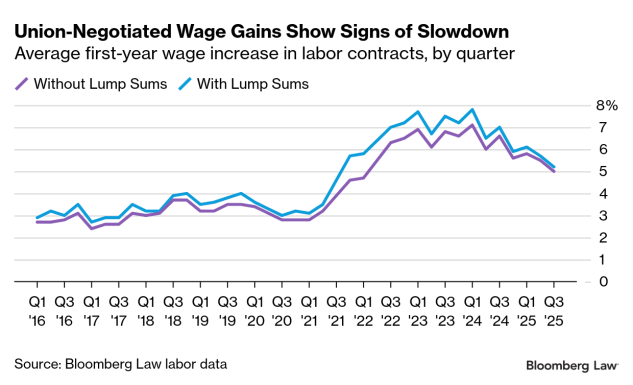
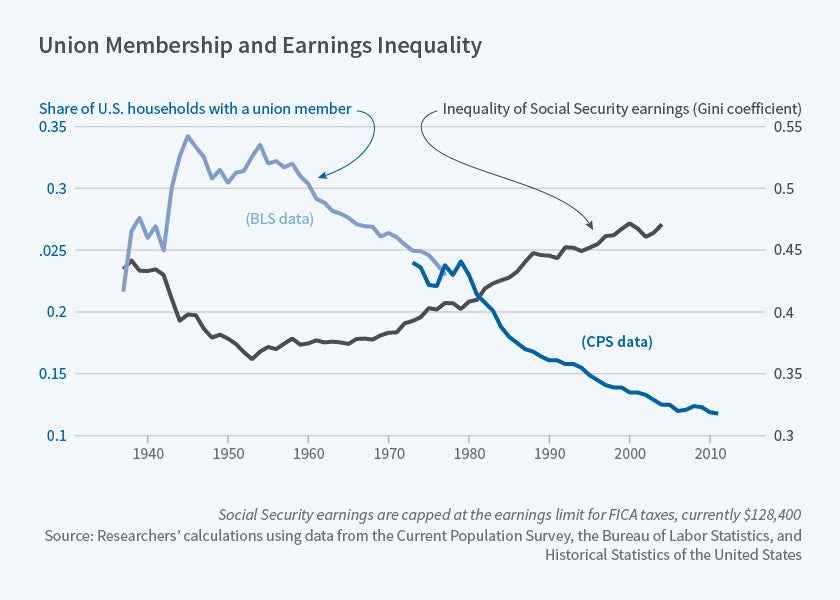
The landscape of decentralized data monetization in 2026 is defined by distinct governance models and payout mechanisms. While traditional union membership rates remain stable at 10.0 percent for wage and salary workers, the digital equivalent—data unions—operates on entirely different economic principles. These platforms allow individuals to retain ownership of their personal data while participating in structured monetization efforts.
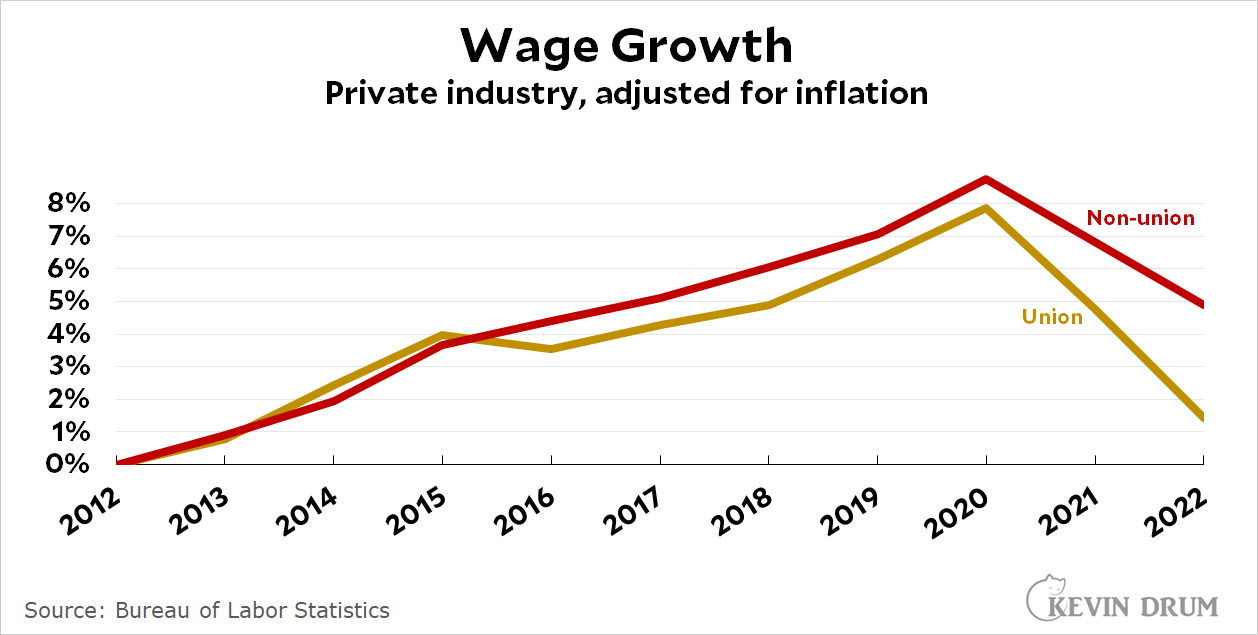
Participation in these protocols requires an understanding of how value is extracted and distributed. Unlike traditional labor unions that negotiate collective bargaining agreements for wage increases, data unions leverage smart contracts to automate compensation. The primary differentiators among leading platforms are payout frequency, the types of data supported, and the utility of governance tokens. Understanding these mechanics is essential for evaluating the legal and financial realities of data monetization.
The following comparison outlines the structural differences between major protocols active in 2026. This analysis focuses on concrete operational features rather than speculative market trends.
| Platform | Payout Frequency | Supported Data Types | Governance Token Utility |
|---|---|---|---|
| Ocean Protocol | Monthly | AI training datasets, medical records | Voting on dataset listing and fee structure |
| Hivemind | Per-task | Labeling, transcription, sentiment analysis | Staking for node operation and validation |
| Authenteq | Quarterly | Identity verification, biometric data | Proposal submission for privacy standards |
| Databroker | Real-time | Web browsing history, IoT sensor data | Token burns for platform fee discounts |
These platforms represent the current standard for decentralized data exchange. Participants should carefully review the terms of service and smart contract audits before engaging, as regulatory frameworks for data privacy continue to evolve across jurisdictions.
Regulatory landscape for data income
Monetizing personal data through decentralized networks intersects with two distinct regulatory frameworks: taxation of digital assets and data privacy statutes. Because data union payouts often occur in cryptocurrency or stablecoins, the IRS treats these transactions as property. Each transfer is a taxable event, requiring precise record-keeping of fair market values at the time of receipt. Failure to report this income can result in penalties, making accurate documentation essential for compliance.
Privacy laws further complicate data monetization. While the GDPR and CCPA grant users rights over their personal information, they do not explicitly prohibit selling that data. However, they mandate transparency and consent. Data unions must ensure that the collection and sale of user data adhere to these principles, avoiding the sale of sensitive health or financial data without explicit, informed consent.
The legal landscape is still evolving. As decentralized data markets grow, regulators are likely to introduce more specific guidelines. Until then, users should assume that all income generated from data sharing is taxable and that privacy regulations apply strictly to the handling of their personal information.
No comments yet. Be the first to share your thoughts!