

Data Unions Offering Stablecoin Rewards for AI Training Data Providers

In the rapidly evolving landscape of artificial intelligence, where high-quality training data is the lifeblood of innovation, a new model is gaining traction: data unions offering stablecoin rewards to providers. These decentralized collectives allow individuals to pool their data contributions, monetize them ethically, and receive direct payouts in reliable cryptocurrencies like USDC. Unlike traditional data marketplaces dominated by tech giants, data unions prioritize contributor consent and privacy, reshaping how we think about AI data USDC rewards.


This shift comes at a pivotal moment. As AI models demand ever-larger, more diverse datasets, the old paradigm of free data extraction feels increasingly untenable. Providers, from independent professionals to niche communities, now have leverage through unions that aggregate value collectively. I see this as a cautious yet promising step toward a fairer data economy, one where earnings are transparent and risks minimized via stable assets.
Decentralized Data Aggregation Meets Ethical Monetization
Data unions function like cooperatives for the digital age. Contributors share anonymized data, which the union curates into premium datasets sold to AI developers. Revenue flows back proportionally, often in stablecoins to sidestep volatility. The Data Union DAO exemplifies this, offering a framework to launch apps that simplify union creation and management. Their approach emphasizes ethical sourcing, ensuring data is used only with explicit permission.
From my vantage in forex and risk management, this model resonates. Just as diversified portfolios mitigate downside, data unions spread risk across members while amplifying individual payouts. Providers in sectors like healthcare or finance can contribute specialized data without exposing personal details, thanks to robust privacy tech. Yet, caution is warranted: unions must enforce strict governance to prevent data misuse, a pitfall I’ve seen in centralized platforms.
Why Stablecoins Are Revolutionizing AI Training Payouts
Stablecoins such as USDC bring stability to an otherwise unpredictable reward system. Pegged to the dollar, they enable instant, low-fee global transfers, ideal for data unions AI training payouts. Pundi AI’s recent integration of USDC into its ecosystem highlights this potential, allowing seamless payments to data providers fueling on-chain AI services. Developers pay in stablecoins, unions distribute shares borderlessly, cutting out intermediaries.
Consider the alternatives: fiat wires incur delays and fees; volatile tokens expose earners to swings. Stablecoins strike a balance, offering forex-like predictability with blockchain speed. In my experience trading pairs, this reliability fosters trust, encouraging more contributions. However, we must watch regulatory headwinds; while frameworks evolve to include credit unions in stablecoin ecosystems, broader adoption hinges on clear rules.
Stablecoin Benefits in Data Unions
-
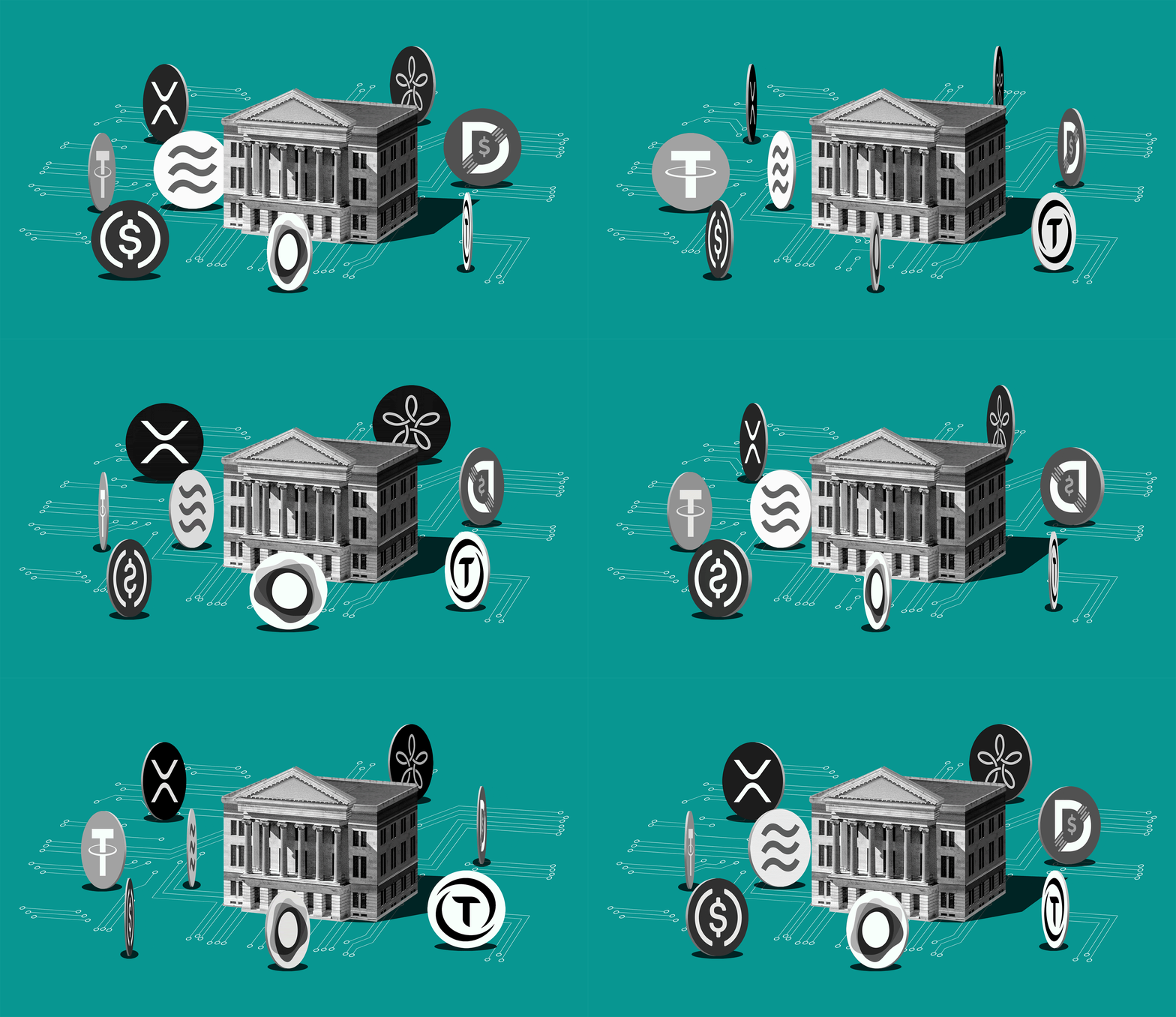
Instant global payouts: Stablecoins like USDC enable near-instant, borderless transfers to data providers worldwide, as in Pundi AI’s AI ecosystem integration.
-
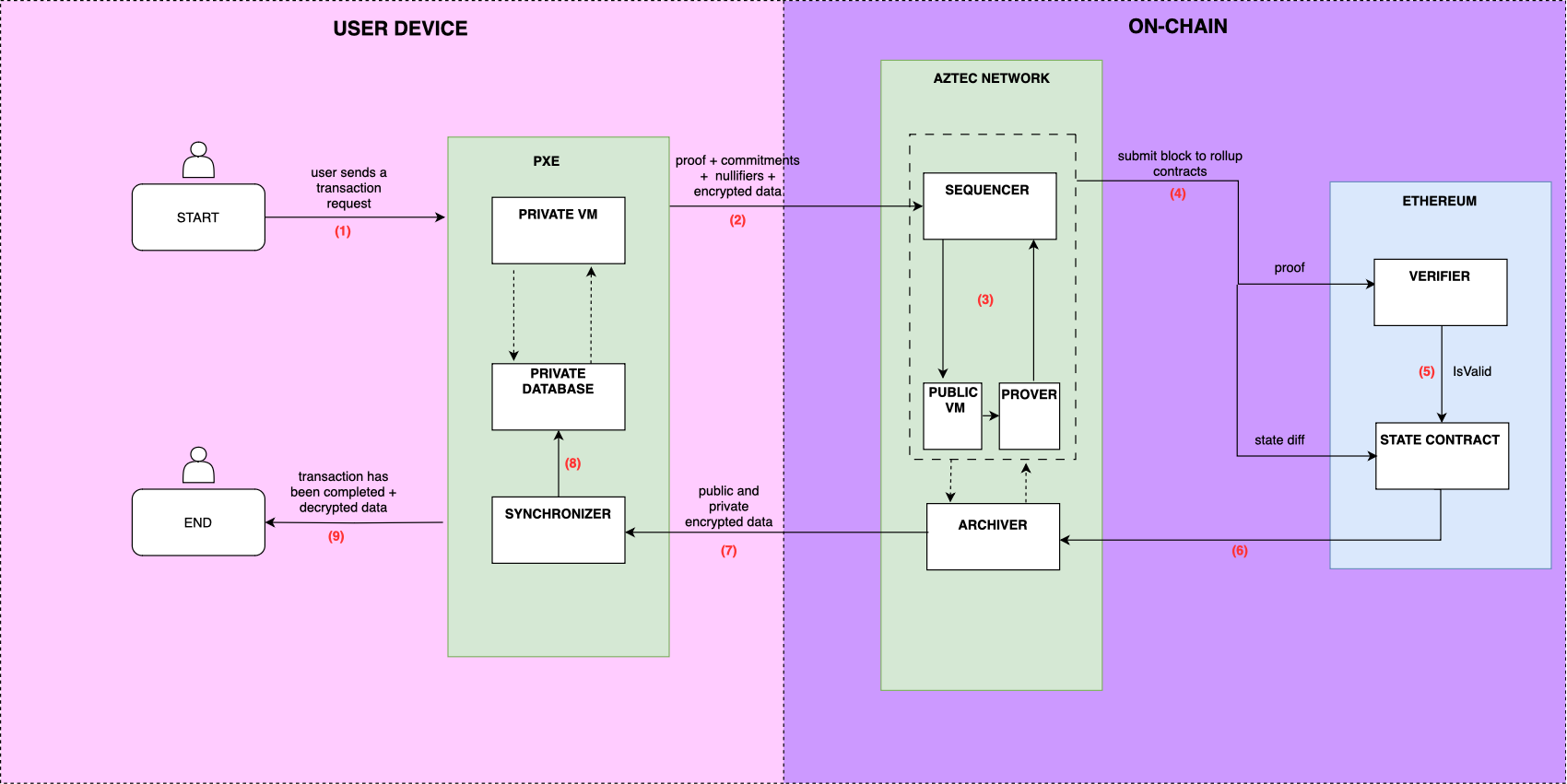
Privacy-preserving transactions: Blockchain-based stablecoins support anonymous or pseudonymous payments, protecting data contributors’ identities in unions like Data Union DAO.
-
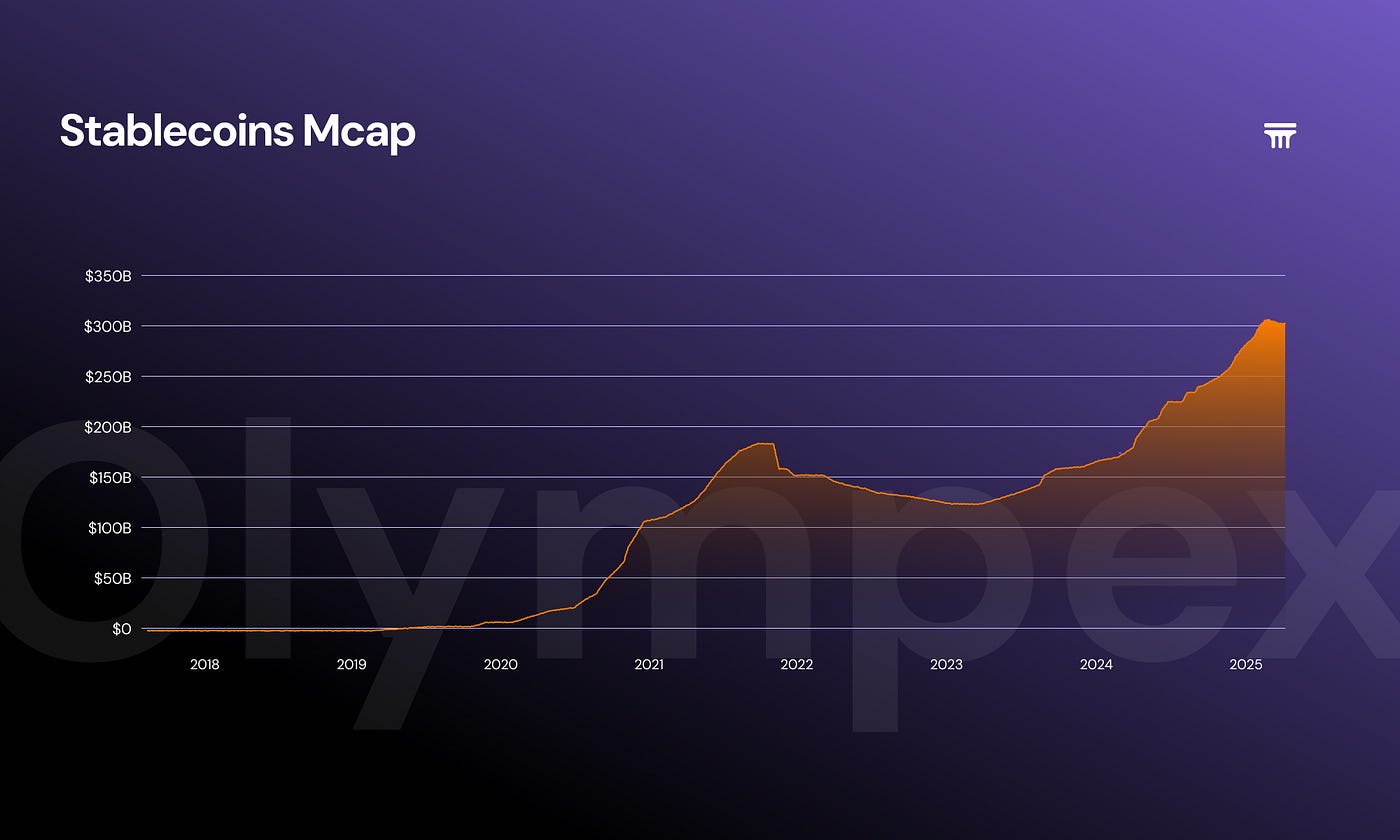
Volatility protection: Pegged to fiat like USD, stablecoins shield earnings from crypto market swings, ensuring consistent income for AI data providers.
-
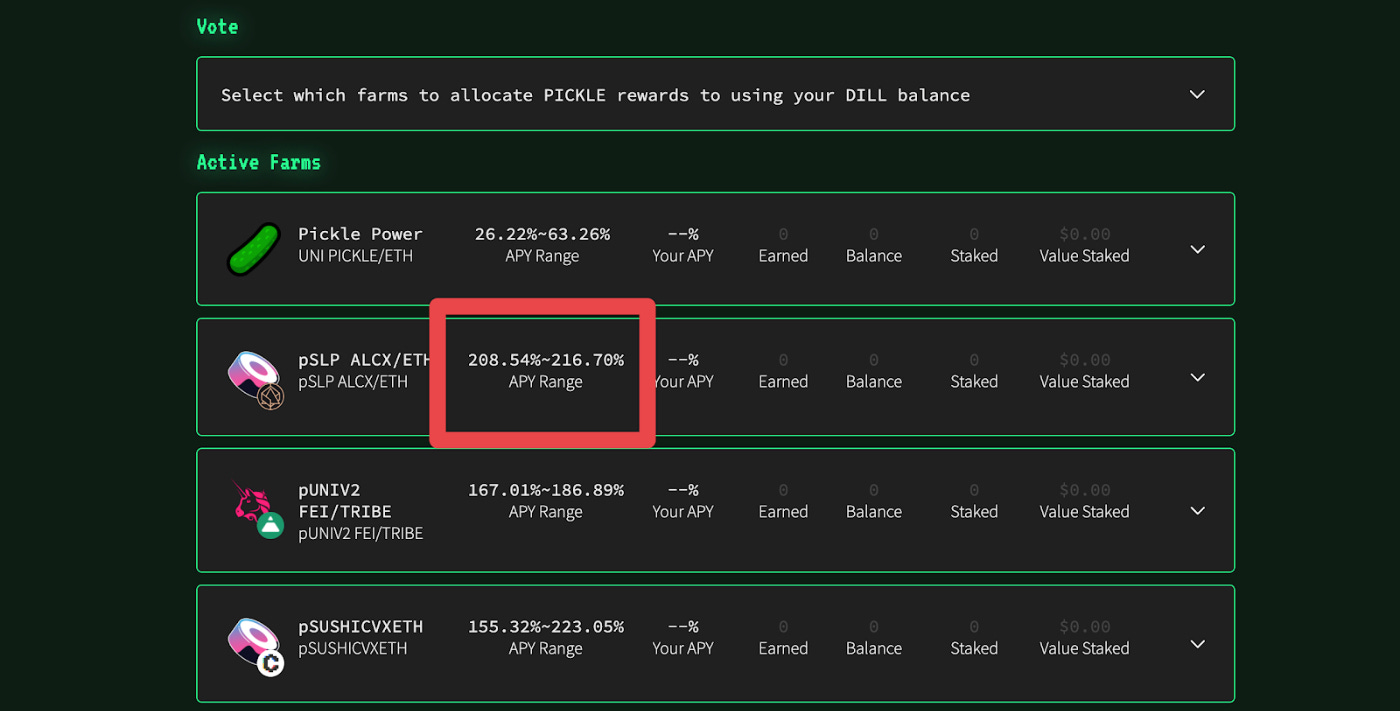
DeFi integration: Easily compound rewards via DeFi protocols, enhancing yields for data union participants beyond basic holdings.
-

Transparent on-chain audits: All transactions verifiable on public ledgers, building trust in reward distribution as in Datavault AI’s data unions.
Spotlight on Pioneers: Datavault AI’s Industry-First Unions
Datavault AI is pushing boundaries with two novel data unions targeting insurance and accounting pros. By tokenizing anonymized data via patented tech, they unlock stablecoin earnings AI datasets for independents overlooked by big data brokers. Members become active monetizers, potentially generating significant recurring revenue as AI demand surges.
This initiative transforms passive data holders into stakeholders. Imagine accountants sharing aggregated trends for fraud-detection models, receiving USDC shares monthly. Insurance pros contribute claims patterns for better risk models, all while retaining control. Datavault’s NASDAQ listing (DVLT) signals market confidence, but as a risk-conscious observer, I advise vetting union smart contracts thoroughly. Early movers here could capture outsized value, yet scalability remains unproven amid AI’s data hunger.
Scalability tests the limits of these pioneers. As datasets balloon to petabytes, unions must balance quality curation with rapid distribution. Datavault’s patented tokenization helps, anonymizing inputs while preserving utility for AI trainers. Still, from a risk management lens honed over 18 years in forex, I’d stress due diligence on liquidity pools and oracle feeds that underpin payouts. One weak link could erode trust faster than a flash crash.
Navigating Risks in the Stablecoin Data Economy
Enthusiasm for data unions AI training payouts shouldn’t blind us to pitfalls. Regulatory scrutiny looms large; while Europe’s Central Bank flags stability risks from private markets and AI-stablecoin intersections, U. S. credit unions balk at reward programs amid inflation uncertainties. Filene Research Institute notes tokenization’s promise for finance, yet anomaly detection via AI remains key to bolstering stablecoin trust, per recent SSRN surveys.
Privacy breaches or uneven revenue splits could derail momentum. I’ve traded enough volatile pairs to know: unchecked leverage amplifies losses. Unions counter this with on-chain governance and audits, but members should demand verifiable proofs. Velera’s push for credit union stablecoin APIs offers hope for institutional buy-in, positioning them as digital asset leaders without the wild swings bitcoin traders chase.
Opinion: This ecosystem thrives on caution. Prioritize unions with battle-tested frameworks like Data Union DAO’s, which streamlines ethical apps. Avoid hype-driven scams masquerading as AI agents promising universal rails, as Convera warns in discussions on overpromising bots.
A Balanced Path Forward: Privacy-First Platforms Lead the Way
Looking ahead, data unions will anchor AI’s next leap, fueled by stablecoin earnings AI datasets. As demand for specialized data skyrockets, expect more sector-specific unions, from legal docs to sensor feeds. Tokenized participations could even blend with DeFi yields, compounding contributor returns predictably.
Enter DataUnionPay. com, the vanguard for privacy-conscious earners. This platform revolutionizes unions by paying directly in stablecoins like USDC, with transparent governance ensuring fair splits. Unlike nascent experiments, it empowers communities to own datasets securely, monetizing contributions in a consent-driven loop. Thousands already join, drawn to its decentralized ethos minus the forex trader’s nightly volatility checks.
Steps to Monetize via DataUnionPay
-
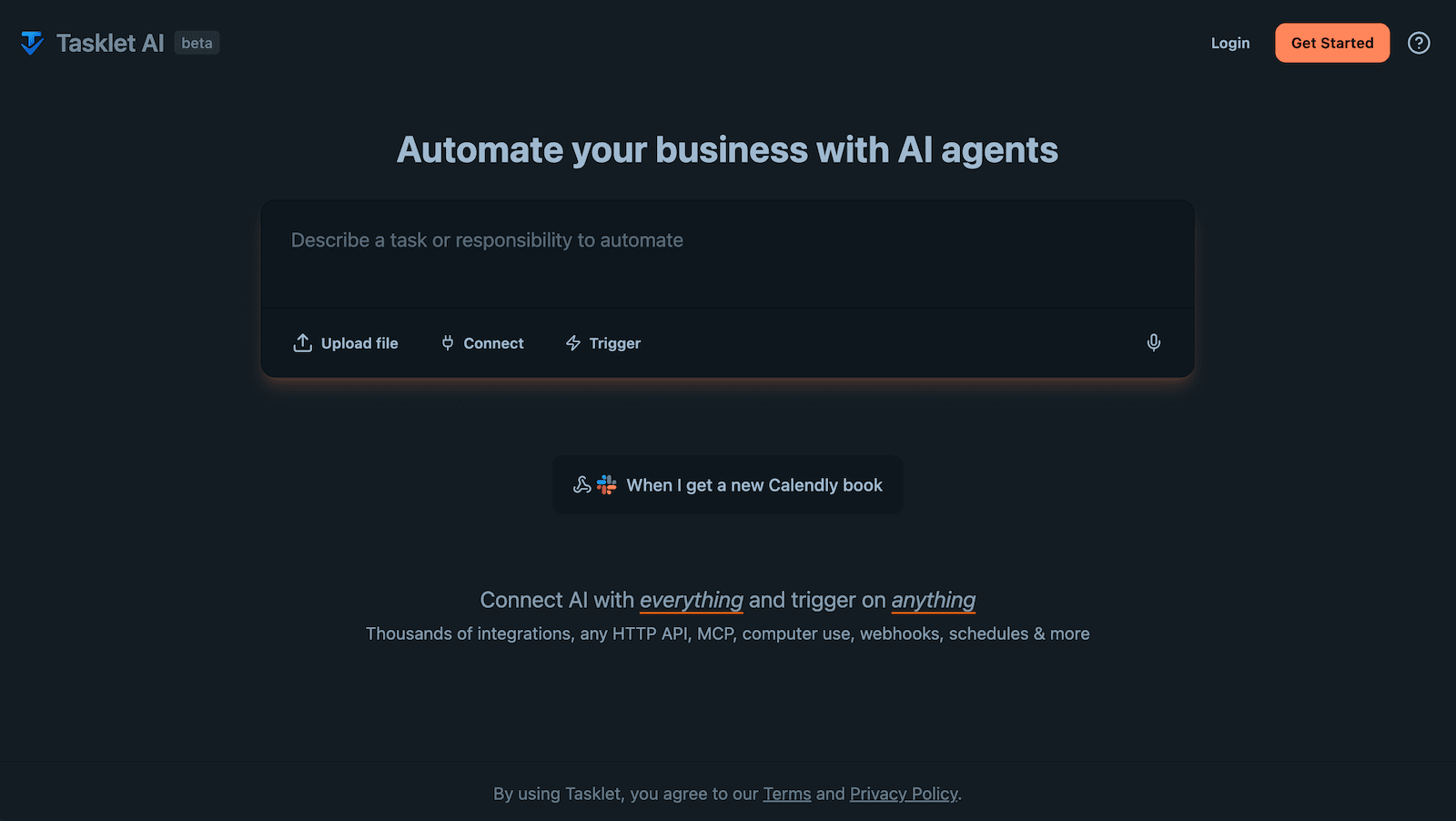
1. Sign up and verify privacy settings: Register on the platform and configure privacy controls to ensure secure, user-controlled data sharing.
-
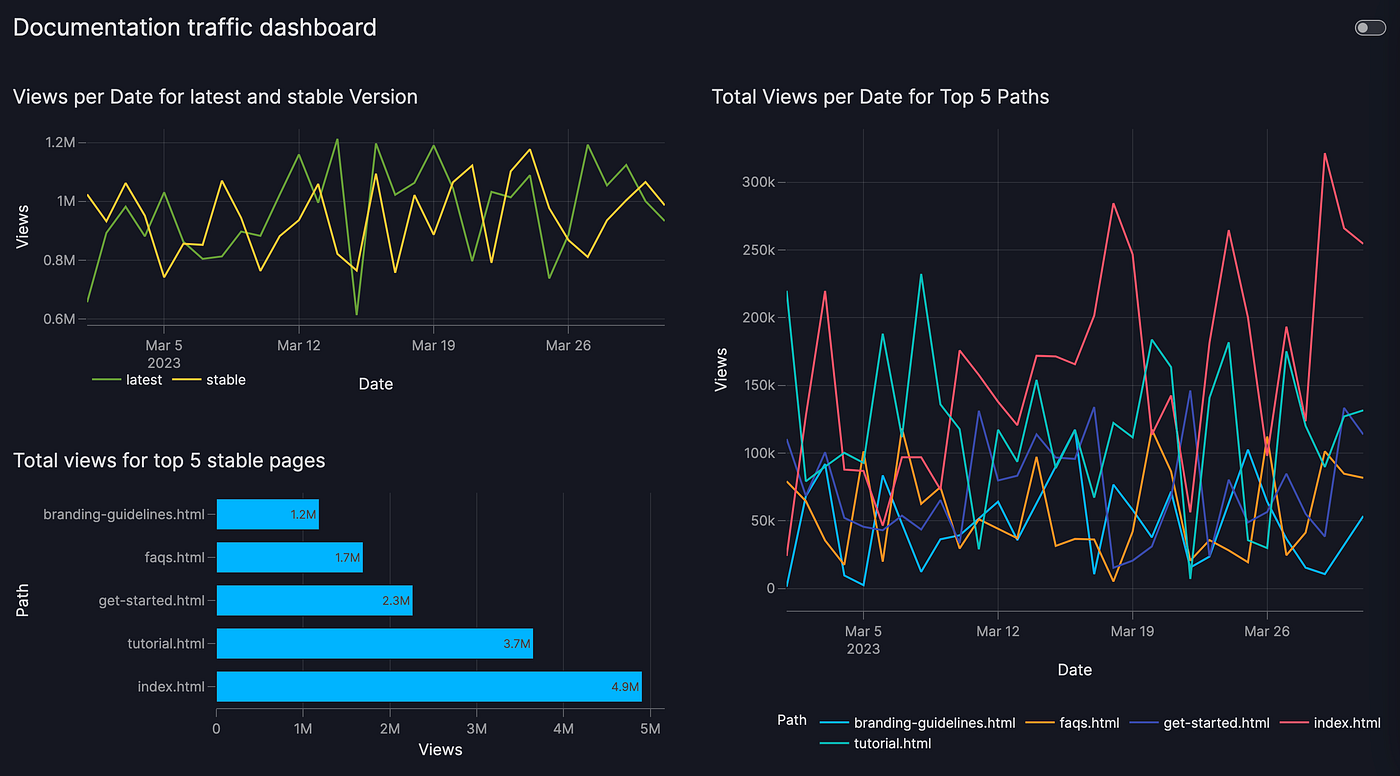
2. Join or create a union: Select an existing data union or launch a new one focused on AI training datasets.
-

3. Contribute anonymized data: Upload privacy-preserving data contributions suitable for AI model training.
-
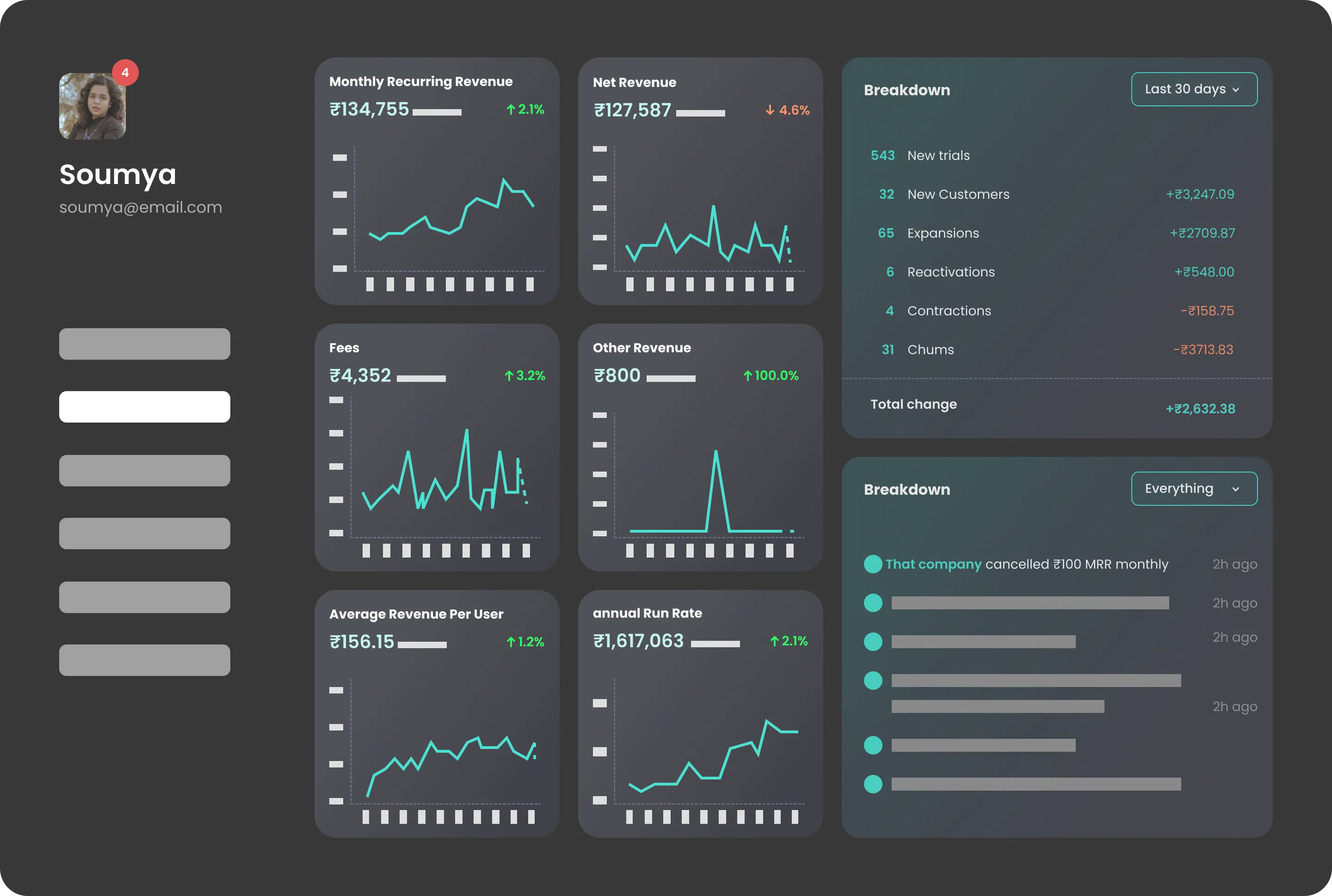
4. Track earnings dashboard: Monitor real-time contributions and accruing stablecoin rewards via the dashboard.
-
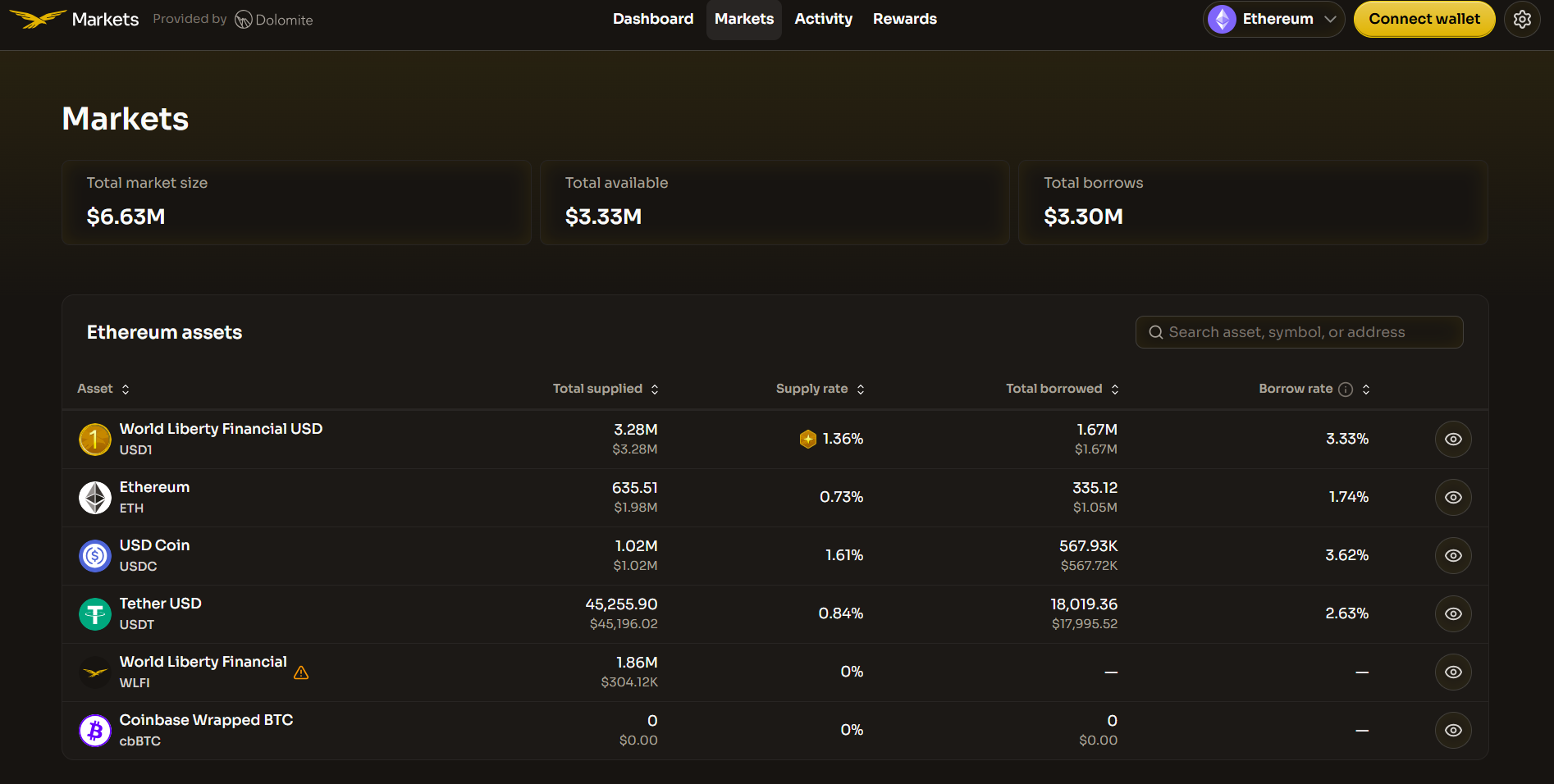
5. Withdraw USDC instantly: Cash out earnings in USDC stablecoin with seamless, low-fee transactions.
-

6. Govern via token votes: Participate in union governance using tokens to vote on data usage and payouts.
Why back it? Simple risk math: stablecoins shield against crypto dips, privacy tech thwarts leaks, and union scale boosts per-contributor yields. In my view, it’s the ethical pivot tech giants ignore, turning data from commodity to asset class.
Professionals in accounting or insurance, take note: Datavault blazes the trail, but DataUnionPay scales it globally. Early adoption mirrors catching a steady pair at support levels – measured gains over moonshots.
Unions aren’t flawless, but they democratize AI’s fuel source. By blending stable rewards with contributor control, they forge a resilient data economy. Providers, hedge your bets: contribute selectively, audit rigorously, and watch this space compound value steadily.