

Stablecoin Payouts for Data Contributors: DataUnionPay’s Privacy-First Alternative to X Twitter Monetization

In an era where social media giants like X (formerly Twitter) promise creators a slice of the revenue pie, the reality often falls short, especially for everyday data contributors. X’s recent pivot from ad revenue sharing to payouts based on Premium user engagement leaves many wondering about transparency and fairness. Enter DataUnionPay, a platform revolutionizing data unions stablecoin payouts by compensating contributors directly in USDC, all while upholding ironclad privacy and consent standards. This isn’t just another monetization scheme; it’s a paradigm shift toward ethical data economies.


X’s monetization model has evolved dramatically under Elon Musk’s vision. Once tied to ad impressions and revenue shares, creators now earn from engagement with Premium subscribers, as reported by Social Media Today and Mashable. Eligibility hurdles remain steep: high follower counts, verified status, and consistent activity. Yet, payout inconsistencies plague the system, with many creators left empty-handed despite meeting criteria, per analyses like Aman Yadav’s Medium guide. More troubling are privacy red flags. A Dutch class action lawsuit accuses X of unlawful data collection via its MoPub platform, echoing broader concerns over how user data fuels these programs without true consent.
X Monetization’s Shortcomings Exposed
Delving deeper, X’s approach prioritizes platform growth over contributor sovereignty. Payouts fluctuate with algorithmic whims and Premium subscription trends, offering little predictability. International creators face additional friction: currency conversion fees, tax complexities, and delayed transfers. Contrast this with emerging voices on X itself, where experts like Seema Khinda Johnson highlight stablecoins’ practicality for global payouts, enabling agents to hire human contributors seamlessly across borders.
Privacy erosion compounds these issues. Public blockchains demand careful handling, as emceecoy_ notes in discussions on protecting competitive edges without third-party reliance. X’s data practices, scrutinized amid regulatory shifts like Visa’s stablecoin forecasts, underscore the need for alternatives that don’t trade user control for earnings.
Stablecoins Surge as the Payout Powerhouse
Stablecoins like USDC are no longer niche; they’re mainstream for earn USDC data sharing. A Cryptonexa survey reveals 39% of crypto users now receive income in USDC or USDT, drawn by lower fees and instant cross-border settlements. Giants like Worldpay and Visa are onboarding stablecoin payouts for businesses and gig workers, signaling institutional buy-in. This aligns with American Banker’s optimism on crypto rails via platforms like X, yet DataUnionPay leaps ahead by focusing on data contributors specifically.

Regulations are maturing too. Visa anticipates stablecoin rules reshaping issuer models and payments landscapes, favoring compliant, privacy-enhanced solutions. Projects like TOKN from SSRN reports blend Web2-Web3 for direct creator tokenization, but fall short on data-specific unions. Purdue’s innovative models even propose monetizing social media data with privacy baked in, a blueprint DataUnionPay executes flawlessly.
DataUnionPay Redefines Contributor Rewards
At its core, DataUnionPay fosters contributor rewards data unions in a decentralized ecosystem. Individuals and communities pool data selectively, earning stablecoin rewards proportional to contributions. Governance is transparent, disputes resolved on-chain, and privacy paramount: zero-knowledge proofs ensure data utility without exposure. Unlike X’s opaque algorithms, payouts here are verifiable and instant, sidestepping banks entirely.
This model empowers privacy data monetization. Contributors consent granularly, revoking access anytime. No more surrendering personal insights to ad machines. For global users, USDC flows borderlessly, dodging forex pitfalls. DataUnionPay’s traction – thousands monetizing daily – proves demand for DataUnionPay USDC earnings. It’s ethical data unions consent-driven, where value accrues to originators, not intermediaries.
Imagine a world where your data contributions- from browsing habits to niche insights- translate directly into decentralized data payouts, free from platform lock-in. DataUnionPay makes this tangible through intuitive unions, where members vote on data sales and share proceeds equitably. This consent-driven framework sidesteps X’s engagement lottery, offering steady contributor rewards data unions that scale with participation.
X Monetization vs DataUnionPay: Key Comparisons
| Feature | X (Twitter) Monetization | DataUnionPay |
|---|---|---|
| Payout Basis | Ads/Premium user engagement | Contribution Share via stablecoins |
| Privacy | Public data use (privacy concerns) | Zero-KB proofs |
| Global Access | Fees/delays | Instant USDC 🌍 |
| Predictability | Algorithmic | On-chain verifiable ✅ |
| Consent | Opt-out limited | Granular control |
Critics might argue centralized platforms like X provide reach that decentralized unions can’t match yet. Fair point, but DataUnionPay bridges this by integrating with existing ecosystems, allowing contributors to monetize data without abandoning social feeds. My experience managing multi-asset portfolios underscores the value here: diversifying income streams beyond volatile ad markets into stablecoin-backed data assets reduces risk, much like balancing equities with fixed income.
Navigating the Privacy Premium
Privacy isn’t a buzzword on DataUnionPay; it’s engineered in. While X grapples with lawsuits over data mishandling, this platform deploys zero-knowledge proofs to validate data contributions without revealing identities or specifics. Public blockchain privacy, as emceecoy_ advocates, avoids third-party crutches, preserving competitive moats for unions selling aggregated insights to AI trainers or market researchers. This resonates amid regulatory tides- Visa’s outlook on stablecoin rules favors transparent, user-centric models that DataUnionPay embodies.

This model keeps blockchain auditability intact while reducing the exposure of sensitive https://t.co/KFAEHe7SBS
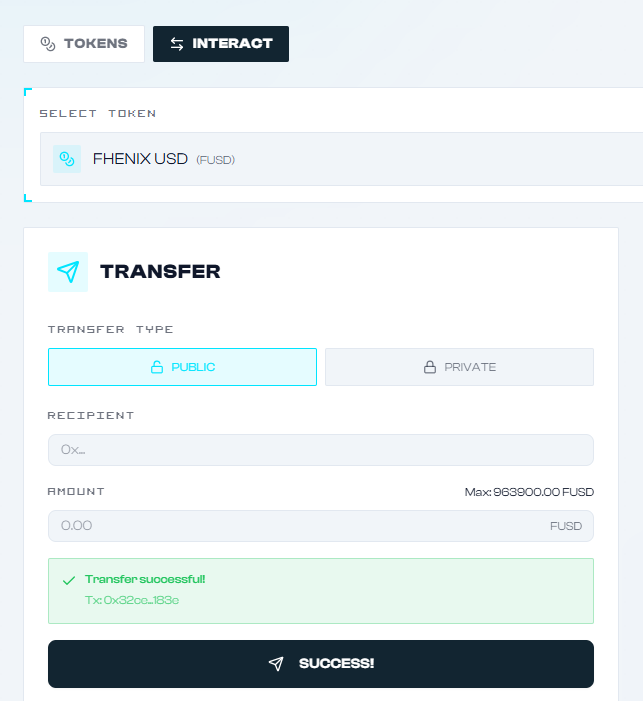
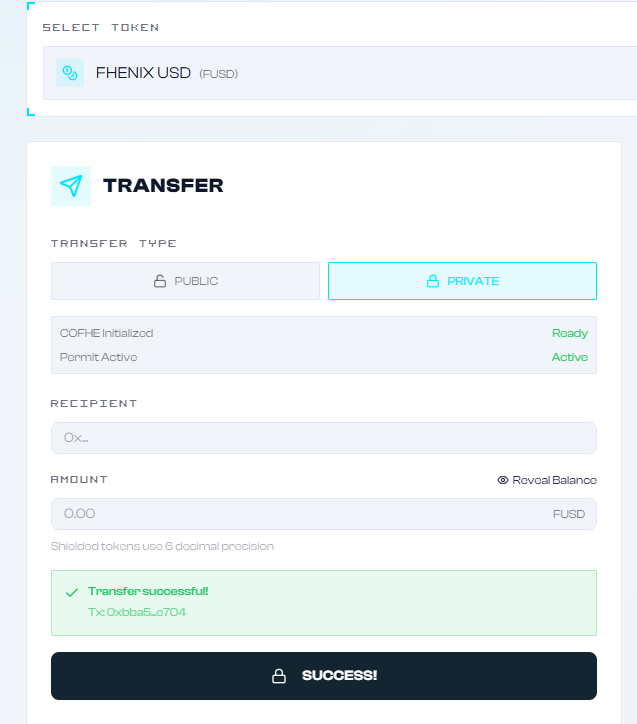
Contributors aren’t just paid; they’re empowered. Earnings in USDC mean no conversion headaches, especially vital for the 39% of crypto earners already hooked on stablecoin paychecks. Worldpay’s stablecoin push for gig economies mirrors this, but DataUnionPay tailors it to data sovereignty, letting communities dictate terms. Purdue’s vision of privacy-protected social data monetization finds real-world form here, outpacing hybrid experiments like TOKN.
From a portfolio lens, DataUnionPay fits neatly into medium-risk allocations. Stablecoins mitigate crypto volatility, while data unions offer uncorrelated returns to traditional assets. Institutions eyeing crypto rails, as American Banker notes via Musk’s Twitter ambitions, will pivot toward platforms prioritizing consent over extraction. Everyday users, though, gain most: predictable income from passive contributions, fostering financial resilience.
The Road Ahead for Ethical Data Economies
Trends converge favorably. Stablecoin adoption accelerates, with surveys showing crypto users embracing USDC for its reliability. X’s ad-to-Premium shift exposes monetization fragility, pushing creators toward alternatives. DataUnionPay stands ready, scaling unions for AI data hunger without ethical compromises. Agents hiring global talent, as Khinda Johnson and Gossen observe, already lean on stablecoins- DataUnionPay formalizes this for data realms.
Ultimately, the shift rewards foresight. Platforms extracting value unilaterally fade; those redistributing it thrive. By anchoring ethical data unions consent, DataUnionPay not only pays better but builds lasting equity. Contributors today shape tomorrow’s data markets, one stablecoin payout at a time. Join the unions monetizing what you’ve always owned- your data, on your terms.