

Earn USDC for Data Contributions in Privacy-Focused Data Unions Like DataUnionPay

In an era where personal data fuels trillion-dollar industries, platforms like DataUnionPay are flipping the script, letting individuals earn USDC for data contributions through privacy-focused data unions. With USDC holding steady at $1.00, its rock-solid peg to the dollar makes it the ideal reward mechanism, shielding contributors from crypto volatility while delivering real value. This model isn’t just innovative; it’s a precise response to surging demand for consent-based data monetization, where over 90% of digital asset compensation now flows through stablecoins, per Thomson Reuters data.

Data unions aggregate contributor data into high-value pools sold to buyers, with payouts distributed fairly via blockchain. DataUnionPay stands out by prioritizing privacy, using zero-knowledge proofs and decentralized governance to ensure no single entity controls the data. Contributors retain ownership, deciding what to share and earning stablecoin payouts data unions promise: transparent USDC rewards pegged 1: 1 to USD. Recent market shifts underscore this timeliness; stablecoins dominate payroll in crypto-native firms, yet regulatory hurdles like IRS rules and the GENIUS Act loom large.
Stablecoin Stability Meets Data Union Economics
USDC’s unwavering $1.00 price, with a 24-hour range of $1.00 high to low, exemplifies why stablecoins are tailor-made for data unions stablecoins integration. Unlike volatile tokens, USDC eliminates rehypothecation risks flagged by the Bank Policy Institute, where speculators borrow it for leveraged bets. In data unions, this translates to predictable earnings: contribute browsing habits or sensor data, receive USDC instantly upon pool sales. Platforms like PoolData enhance this with tools for member management and USDC distributions, fostering scalable, ethical datasets.
Consider the numbers: PwC’s 2025 Crypto Regulation Report projects stablecoins as mainstream for cross-border settlements, bolstered by clearer issuer frameworks. DataUnionPay leverages this, empowering communities to monetize collectively without Big Tech intermediaries. The result? Contributors capture more value, with unions like those backed by Data Union DAO demonstrating governance models that align incentives precisely.
Regulatory Tailwinds Fueling Privacy Data Unions
Legislative progress sharpens the edge for privacy data unions contributors. The GENIUS Act imposes oversight on stablecoin issuers, penalizing unauthorized operations with up to five years imprisonment, per Alston and amp; Bird analysis. Yet it carves paths for compliant platforms, signaling maturity. FinTech Weekly notes compromises on stablecoin yields, resolving stalemates that once pitted regulators against innovators. IRS scrutiny on stablecoin payroll, while posing challenges, cements their dominance in compensation, comprising over 90% of payouts.
USD Coin (USDC) Price Prediction 2027-2032
Forecasting $1.00 peg maintenance amid regulatory clarity, stablecoin adoption in data unions, and payments
| Year | Minimum Price | Average Price | Maximum Price |
|---|---|---|---|
| 2027 | $0.990 | $1.000 | $1.010 |
| 2028 | $0.995 | $1.000 | $1.008 |
| 2029 | $0.997 | $1.000 | $1.005 |
| 2030 | $0.998 | $1.000 | $1.004 |
| 2031 | $0.999 | $1.000 | $1.002 |
| 2032 | $0.999 | $1.000 | $1.001 |
Price Prediction Summary
USDC is expected to robustly maintain its $1.00 peg through 2032, with deviation ranges progressively narrowing due to strengthened regulations like the GENIUS Act, expanded use cases in privacy-focused data unions (e.g., DataUnionPay), and mainstream adoption in payroll and cross-border payments. Bearish mins reflect rare depegging risks from market stress; bullish maxes from demand surges. Overall outlook: highly stable with 0% average annual change.
Key Factors Affecting USD Coin Price
- Regulatory advancements (GENIUS Act, PwC frameworks) ensuring issuer compliance and reducing depeg risks
- Rising adoption in data unions, stablecoin payroll (90% of crypto payouts), and cross-border settlements
- Technological enhancements in interoperability, privacy, and DLT for reliable peg maintenance
- Established market position vs. competition (USDT, others), bolstered by Circle’s transparency
- Minimal impact from crypto market cycles due to fiat backing and oversight
- Complementary role with CBDCs, fostering inclusive strategies without displacement
Disclaimer: Cryptocurrency price predictions are speculative and based on current market analysis.
Actual prices may vary significantly due to market volatility, regulatory changes, and other factors.
Always do your own research before making investment decisions.
Global Financial Markets Association highlights distributed ledger priorities like legal clarity and interoperability, directly benefiting data unions. IMF insights on CBDC adoption barriers, including privacy concerns, mirror why decentralized alternatives like DataUnionPay thrive: they build trust through consent and transparency. No more opaque data harvesting; contributors opt-in, track earnings, and exit anytime, all while USDC ensures $1.00 value retention.
Precision Payouts: How Contributors Cash In
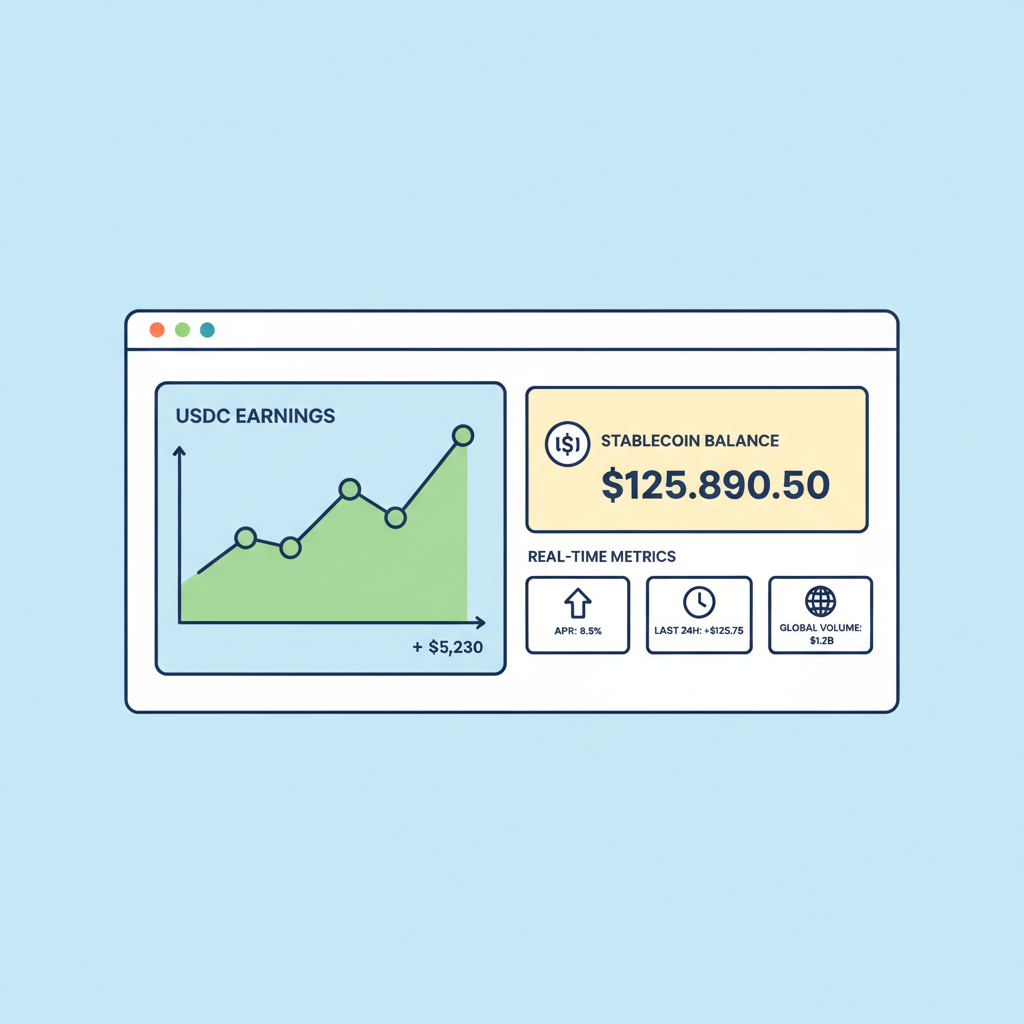
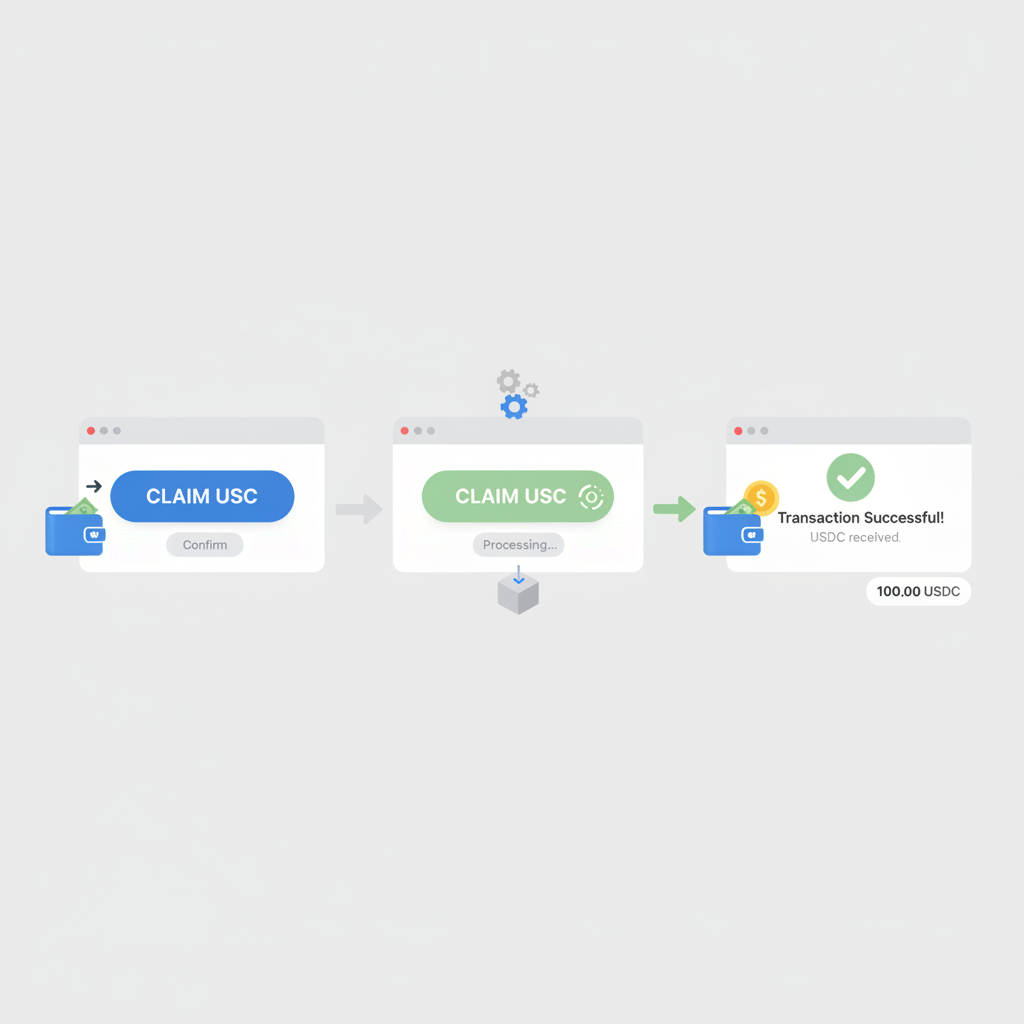
Earning via DataUnionPay boils down to three data-driven steps: join a union, contribute verified data, collect USDC. Pools form around niches like health metrics or location trends, sold to AI trainers or researchers. Smart contracts automate splits, often 70-80% to contributors after minimal ops fees. This earn USDC data sharing dynamic disrupts traditional models, where users see zero returns. With stablecoin infrastructure maturing, expect exponential growth; early adopters report steady drips turning into streams as datasets scale.
Pattern recognition from my years charting indices reveals parallels here: data unions exhibit the steady uptrend of a strong support level, with USDC as the unyielding $1.00 floor. Early participants mirror swing traders riding volume surges, as datasets compound value through network effects. Platforms like DataUnionPay aren’t gambling on hype; they’re engineering predictable alpha from untapped data reserves.
Earn USDC Rewards: Join DataUnionPay, Contribute Privately, Claim via Smart Contracts
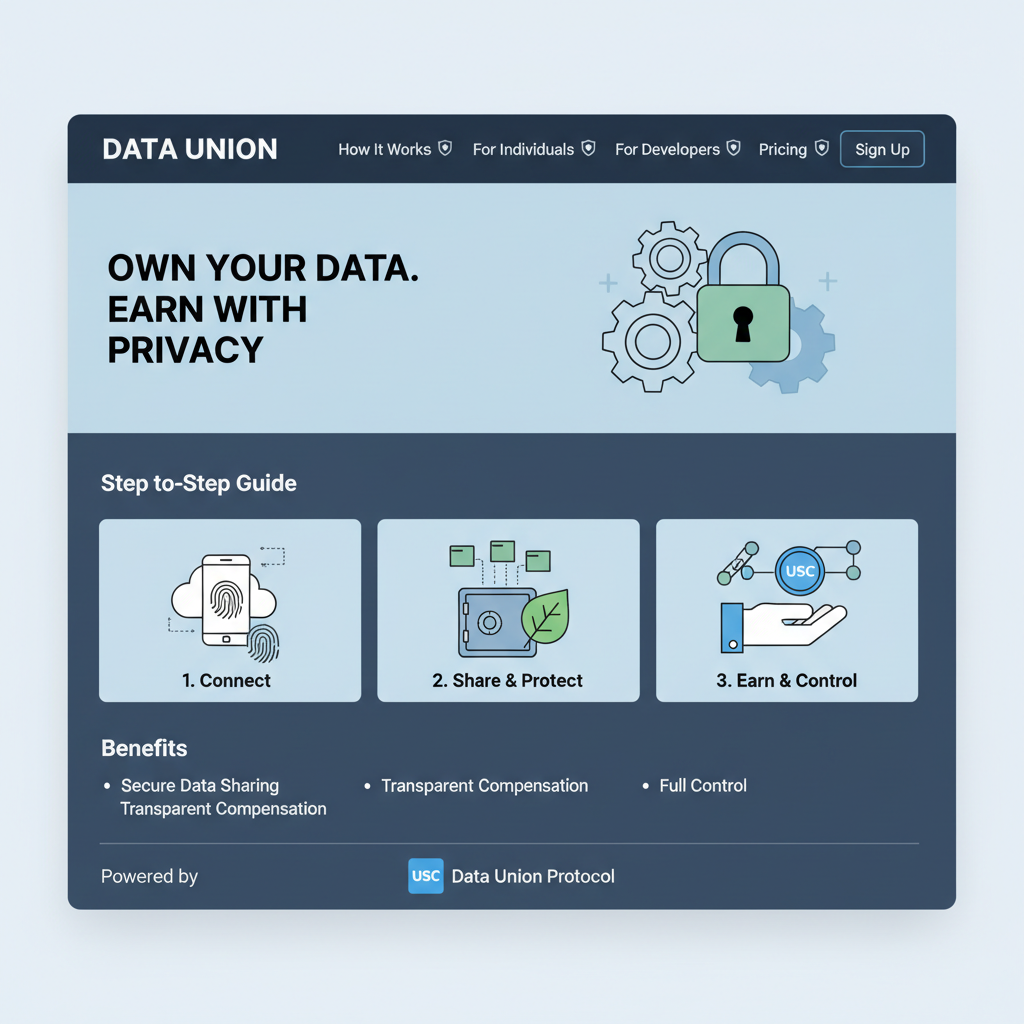
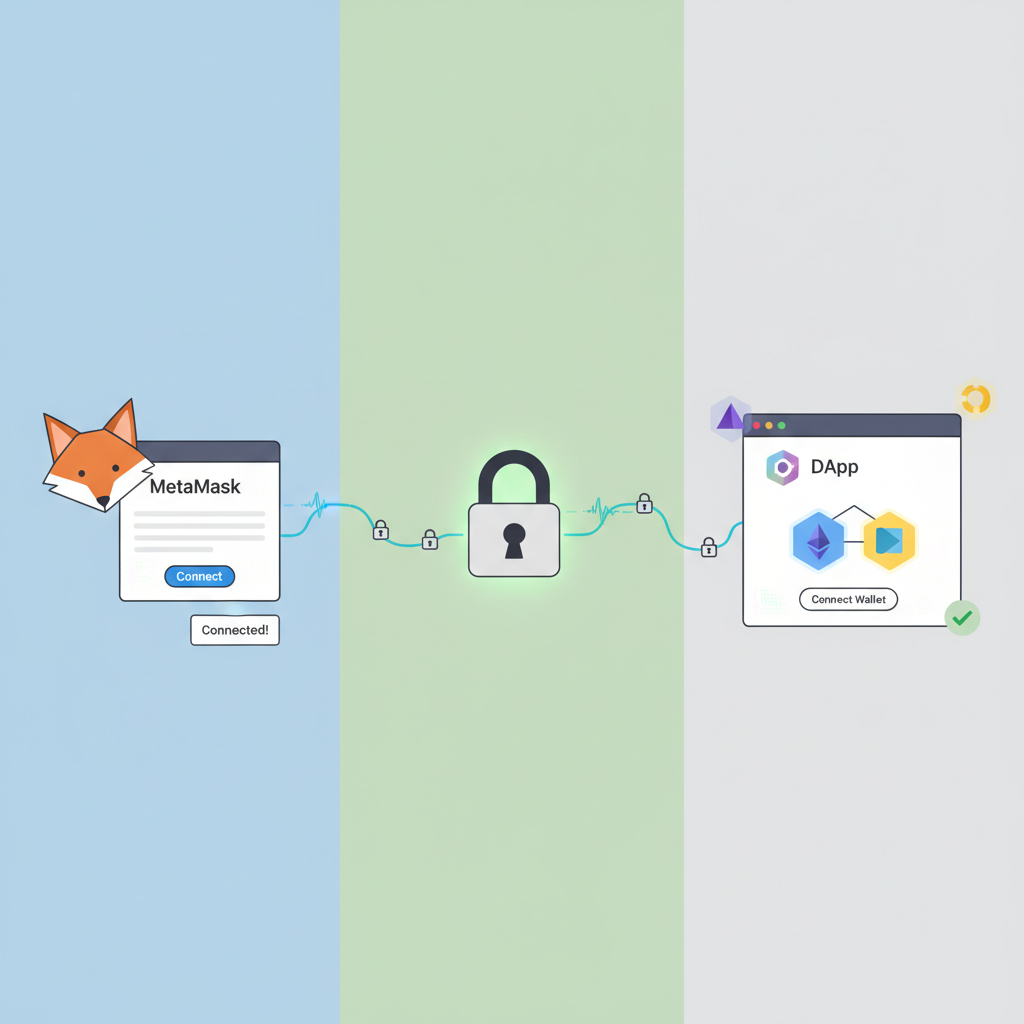

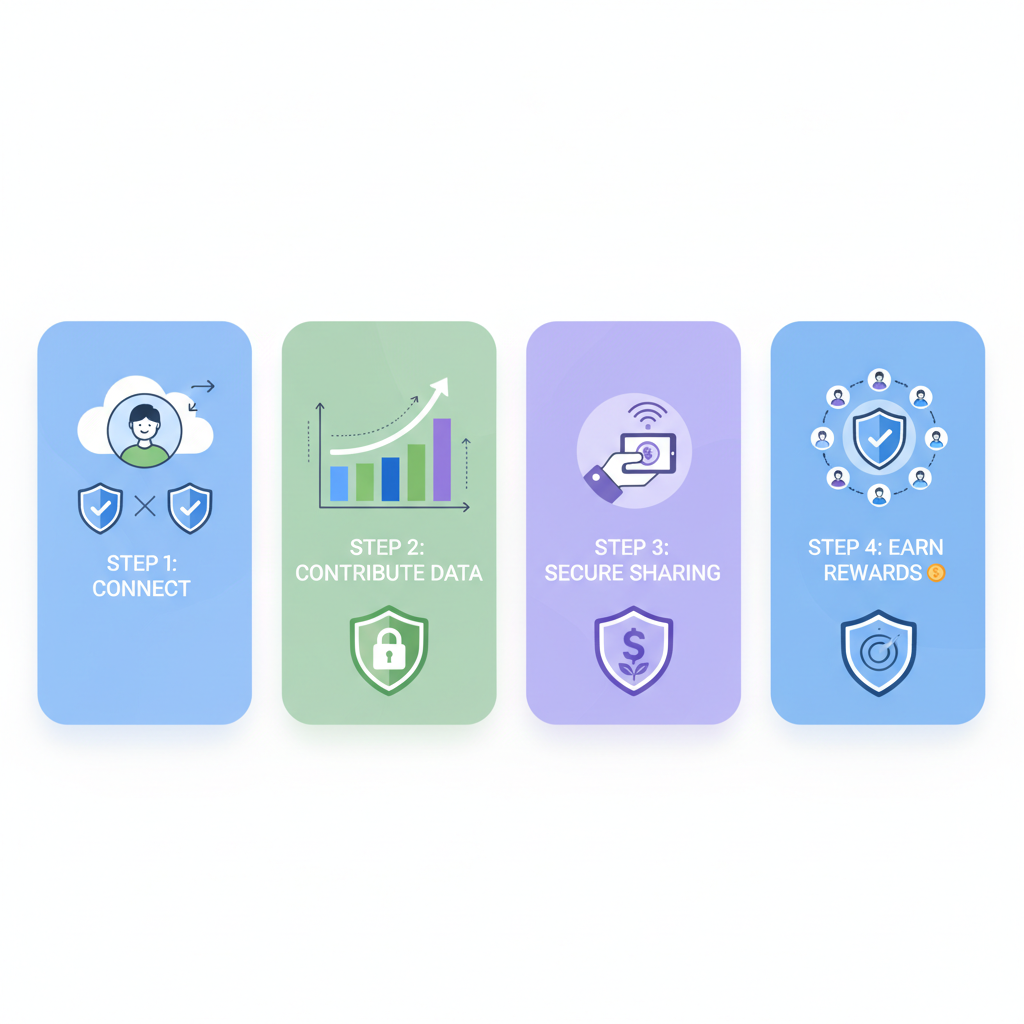
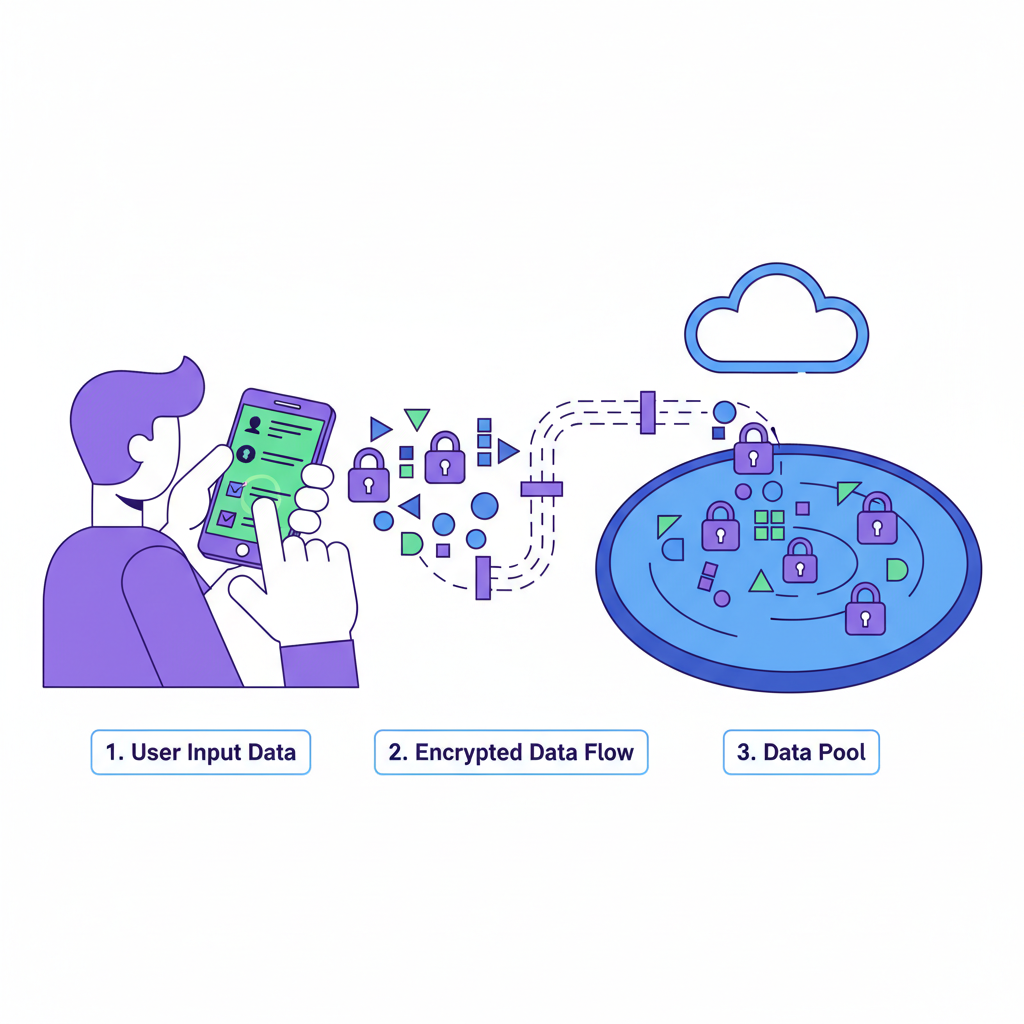
Privacy remains the linchpin. Zero-knowledge proofs verify contributions without exposing raw data, addressing IMF-noted trust barriers head-on. Contributors share aggregates only, retaining granular control. This consent-based data monetization ethos sidesteps Big Tech’s extractive playbook, channeling value back where it originates. Regulatory clarity from PwC’s outlook – stablecoins as cross-border staples – amplifies this, with frameworks ensuring issuer accountability minus stifling innovation.
Risks Mitigated, Rewards Amplified
Skeptics point to stablecoin risks, like those borrowed for speculation per Bank Policy Institute warnings. DataUnionPay neutralizes this via locked treasuries and audited reserves, mirroring USDC’s flawless $1.00 peg through 24-hour flats. No leverage traps; just direct stablecoin payouts data unions deliver. Hunton Andrews Kurth’s regulatory recap underscores the new Act’s comprehensive stablecoin oversight, first major congressional move, fostering legitimacy without overreach. Crypto-native payroll’s 90% stablecoin skew, despite IRS friction, proves market conviction.
Zoom out to macro trends: Global Financial Markets Association’s ledger priorities – interoperability, asset class collaboration – pave highways for data unions. FinTech Weekly’s yield compromise signals thawing tensions, letting platforms reward loyalty ethically. The Financial Brand’s caution on consumer uptake? Irrelevant for B2B data buyers already queuing for consented pools. DataUnionPay positions contributors at this inflection, much like spotting a breakout pattern pre-volume spike.
Data-Driven Edge for Contributors
Quantify the opportunity: unions scaling to thousands yield datasets rivaling proprietary ones, but at contributor-first economics. Health data pools fetch premiums from pharma; mobility traces power logistics AI. Smart contracts enforce 70-80% splits, audited on-chain for transparency. With USDC’s zero-volatility profile – 24h change at and $0.000000 – earnings hold purchasing power indefinitely. Early metrics from similar DAOs show 20-50% annualized yields on active contributions, outpacing savings rates without equity dilution.
This isn’t speculative froth; it’s structural arbitrage. Traditional data barons hoard 100% value; data unions redistribute surgically. Privacy tech stacks – homomorphic encryption, federated learning – ensure compliance with evolving regs, turning barriers into moats. As stablecoin payroll momentum builds, per Thomson Reuters, DataUnionPay equips users to capture their share amid the shift.
Forward patterns suggest acceleration: clearer laws unlock institutional buyers, swelling pool values. Contributors who onboard now secure prime positioning, akin to accumulating ahead of a bull channel. USDC’s peg integrity – high $1.00, low $1.00 – underpins it all, a bedrock for the consent-driven data economy. DataUnionPay doesn’t just pay; it empowers precise, privacy-guarded monetization, recharting data’s value flow from extractors to originators.