

Earn Passive USDC Income from Health Data in Privacy-Centric Data Unions

In an era where health data fuels everything from personalized medicine to AI-driven diagnostics, individuals hold untapped value in their personal records. Yet, amid tightening regulations like New York’s Health Information Privacy Act, sharing that data traditionally means surrendering control. Enter privacy-centric data unions: collective models where contributors pool anonymized health insights, earn passive USDC income from aggregated sales, and retain sovereignty over their information. As a risk management specialist with over a decade navigating volatile markets, I see these unions as a prudent evolution, blending blockchain transparency with ironclad consent mechanisms.


Recent legislative shifts underscore the urgency. New York’s Senate bill S.427 now bans selling regulated health information without explicit consent, while the NIH advocates multi-layered protections to balance utility and privacy. These aren’t mere formalities; breaches erode trust, as seen in privacy advocates’ scrutiny of OpenAI’s ChatGPT health integrations, which skirt U. S. medical privacy laws. Data unions counter this by design, enabling privacy data unions health rewards through zero-knowledge proofs and federated learning, where raw data never leaves your device.
Health Data’s Hidden Value in a Consent-Driven Economy
Health data isn’t just sensitive; it’s lucrative. Pharmaceutical firms and researchers pay premiums for longitudinal datasets on wellness trends, chronic conditions, and treatment outcomes. Traditionally, Big Tech intermediaries captured this value, but platforms like DataUnionPay flip the script. Contributors join unions focused on niches – say, fitness tracker aggregates or symptom diaries – and receive proportional USDC payouts from data licenses. My conservative frameworks in derivatives trading parallel this: hedge risks with diversified pools, ensuring steady yields even in downturns.
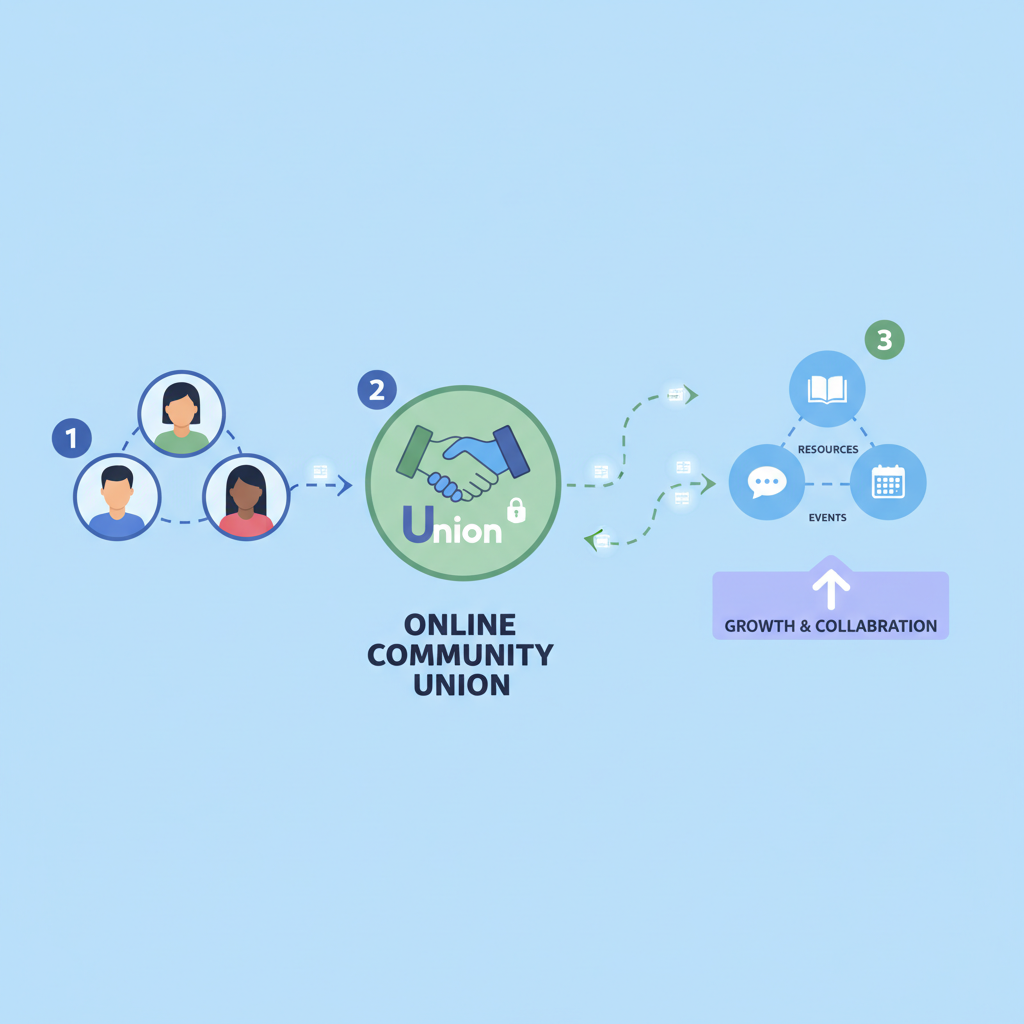
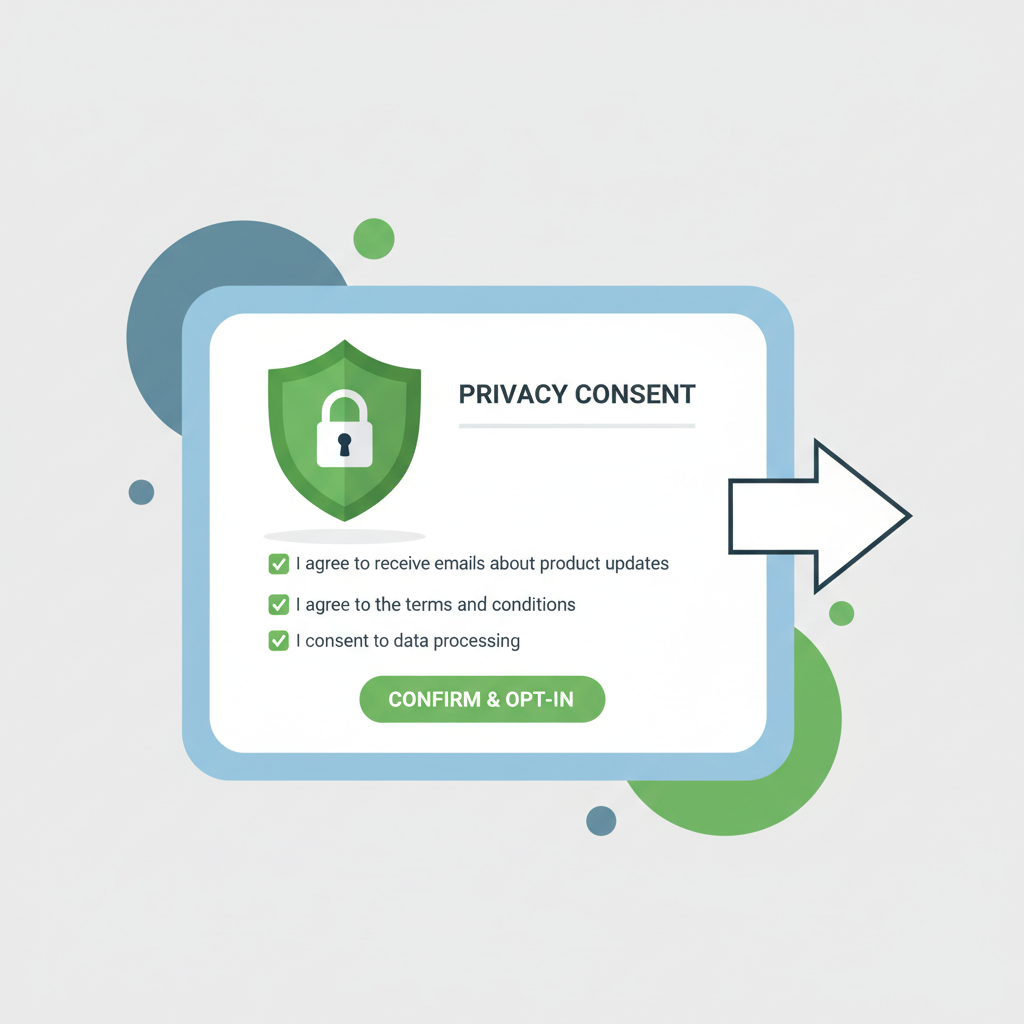
Consider the mechanics. You opt-in to share de-identified metrics via encrypted channels. The union, governed by token-weighted votes, negotiates deals with vetted buyers. Payouts flow directly in USDC, Circle’s stablecoin with rigorous privacy policies requiring express consent for external sharing. No volatility exposure, just reliable accrual – akin to a high-yield bond with privacy premiums baked in.
Key Benefits of Data Unions
-

Passive USDC Earnings: Monetize health data collectively via platforms like Pool, earning USDC without active effort.
-
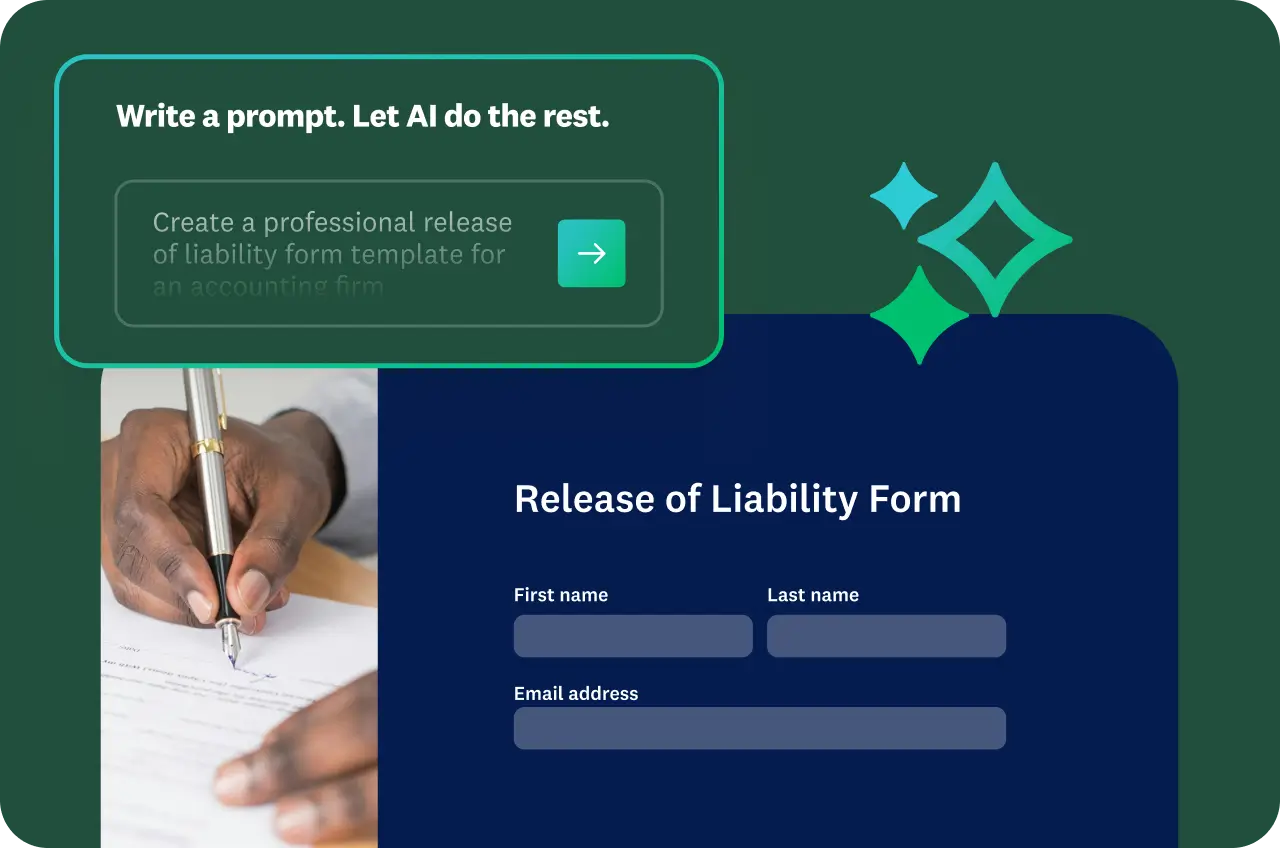
Full Consent Control: Retain explicit opt-in authority, as emphasized in Circle’s policy and NY’s HIPA.
-
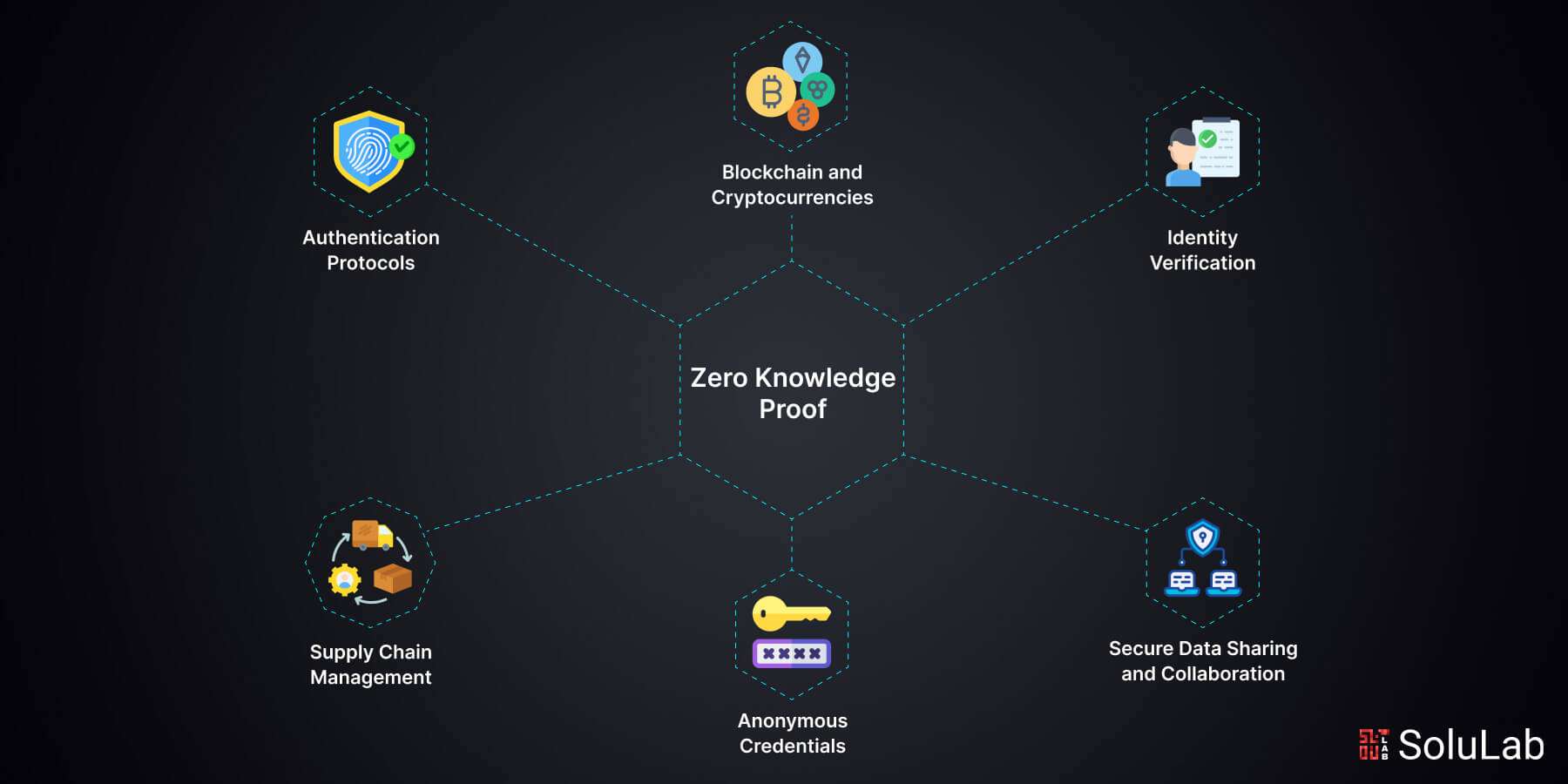
Anonymized Sharing: Data shared pseudonymously, aligning with NIH privacy protections for health data.
-
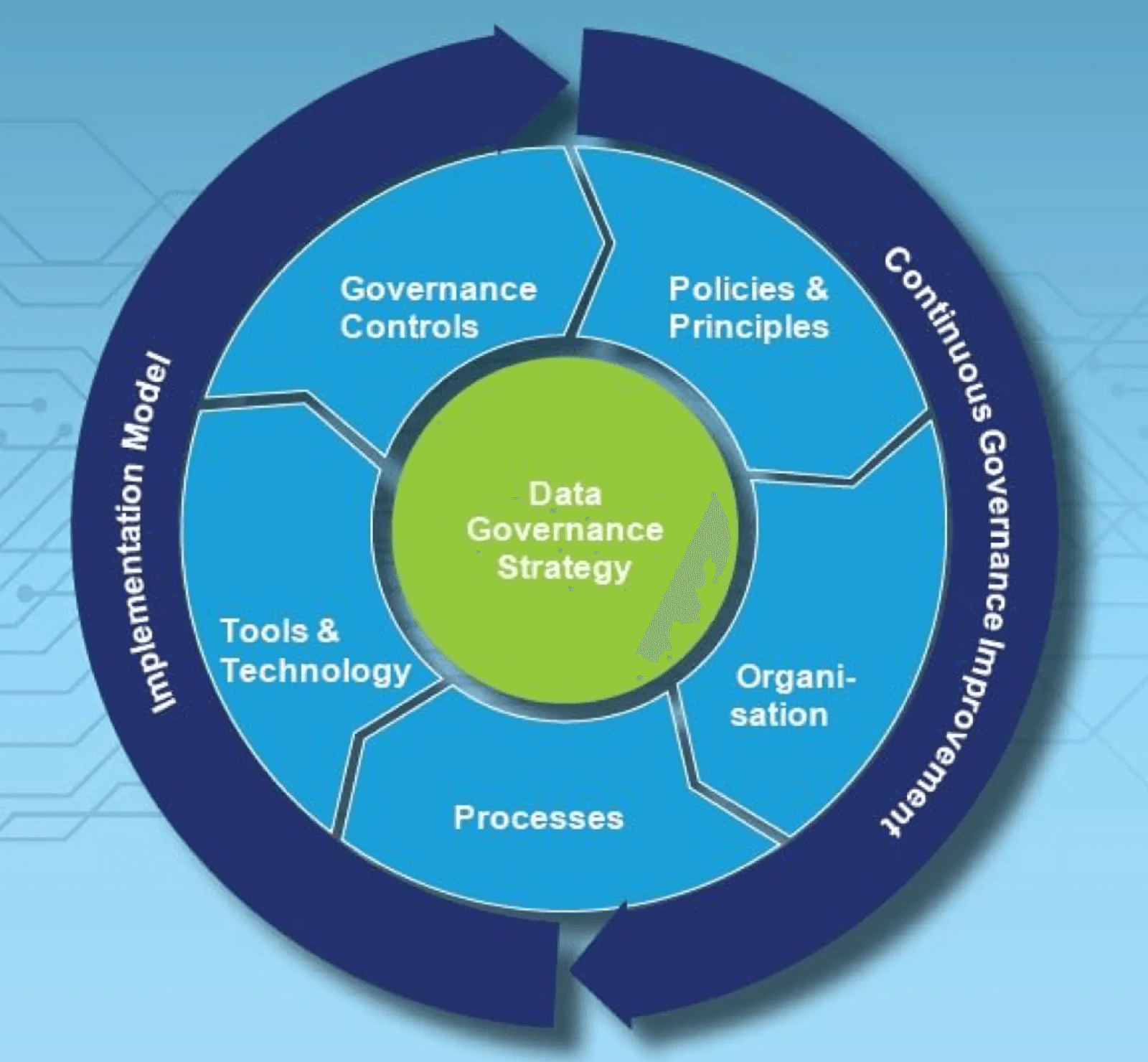
Transparent Governance: Collective decision-making in data unions ensures openness and trust.
-

Regulatory Compliance Edge: Meets strict rules like NY Senate’s health privacy bill requiring explicit consent.
Stablecoin Payouts: Reliability Meets Regulatory Clarity
Stablecoins address my core concern in risk assessment: predictability. USDC’s peg to the dollar, bolstered by Visa’s pilots and over 130 linked partners, positions it ideally for stablecoin health data sharing. Brookings notes ongoing GENIUS Act implementations will cement trust, mandating reserves and audits that mirror institutional-grade safeguards. In health contexts, this means payouts untainted by crypto swings, directly to your wallet upon contribution verification.
Health Union’s ethos resonates here: honesty, privacy, transparency. Unions extend this by democratizing access. Unlike centralized apps hoarding data, these collectives empower communities – think patient advocacy groups pooling rare disease insights for research grants. Early adopters report modest but compounding returns; a union of 1,000 with daily activity data might yield $5-10 monthly per member from pharma queries, scaling with adoption.
Consent as the Cornerstone of Sustainable Data Monetization
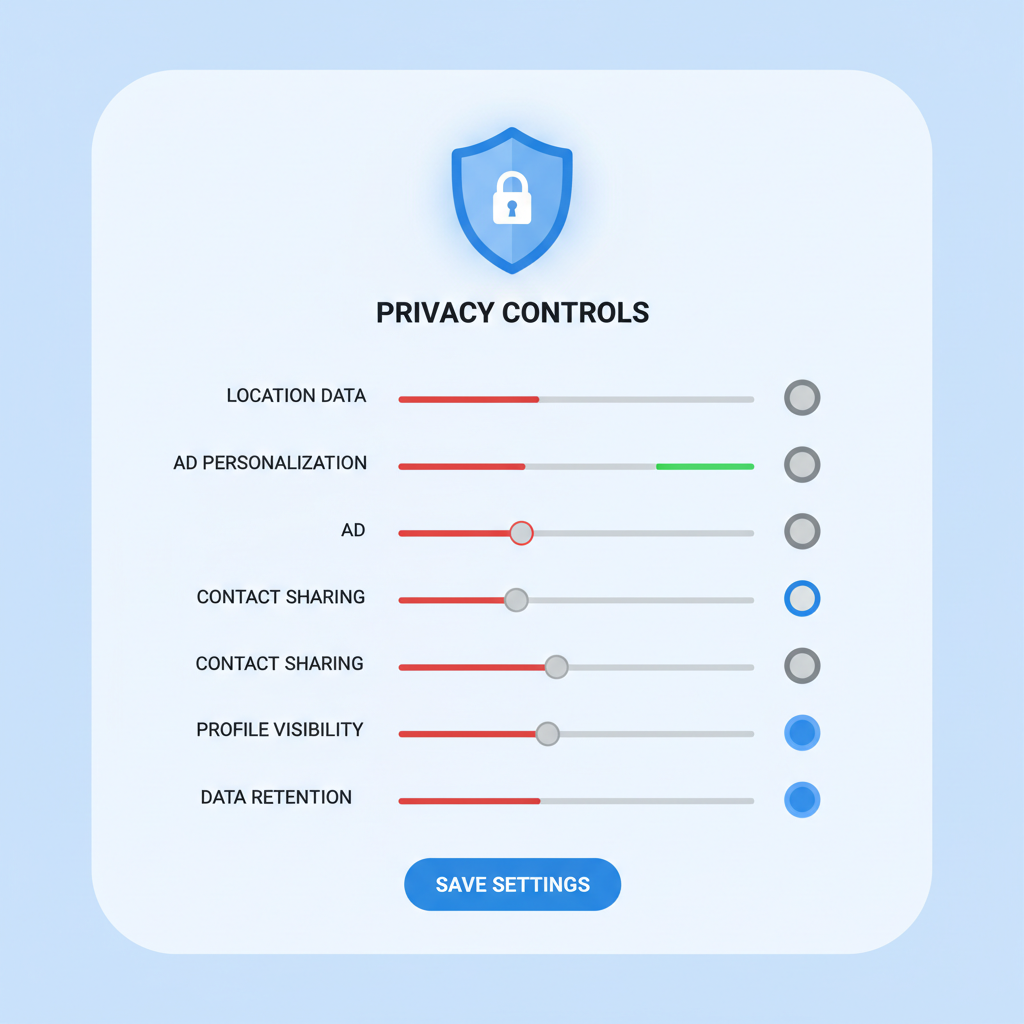
Effective consent isn’t checkbox theater; it’s dynamic governance. Nature’s framework on self-determined sharing highlights how granular controls boost participation. In practice, data unions deploy smart contracts for revocable permissions: withdraw anytime, audit trails immutable. This aligns with union settlements like the American Postal Workers’ privacy wins, enforcing HIPAA-like rigor without institutional overhead.
From my vantage, the risk-reward skews positive for cautious participants. Volatility in traditional health data markets – think opaque ad targeting – yields to blockchain’s auditability. Yet, vigilance remains key: vet union operators, monitor regulatory flux like HIPA’s strictures on wellness data handlers. Platforms emphasizing these protocols, such as those pioneering Data Unions, merit scrutiny and adoption.
Platforms are rising to meet this standard. Pool’s infrastructure lets communities form data unions swiftly, pooling health metrics for collective licensing while users retain keys to their data. Swash complements this by rewarding everyday web activity, hinting at broader passive income streams from personal inputs. DataUnionPay builds on these foundations, channeling stablecoin rewards directly to contributors in a decentralized setup that prioritizes consent at every layer.
Navigating Entry: A Measured Path to Passive Rewards
Getting involved demands deliberation, much like selecting derivatives in a portfolio. Start small, assess union track records, and scale contributions based on payout histories. This approach mitigates early-stage uncertainties in nascent markets, where governance maturity varies. My experience underscores the value of phased exposure: test with minimal data shares, observe USDC accruals, then expand.
Earn Passive USDC: Privacy-First Health Data Union Guide

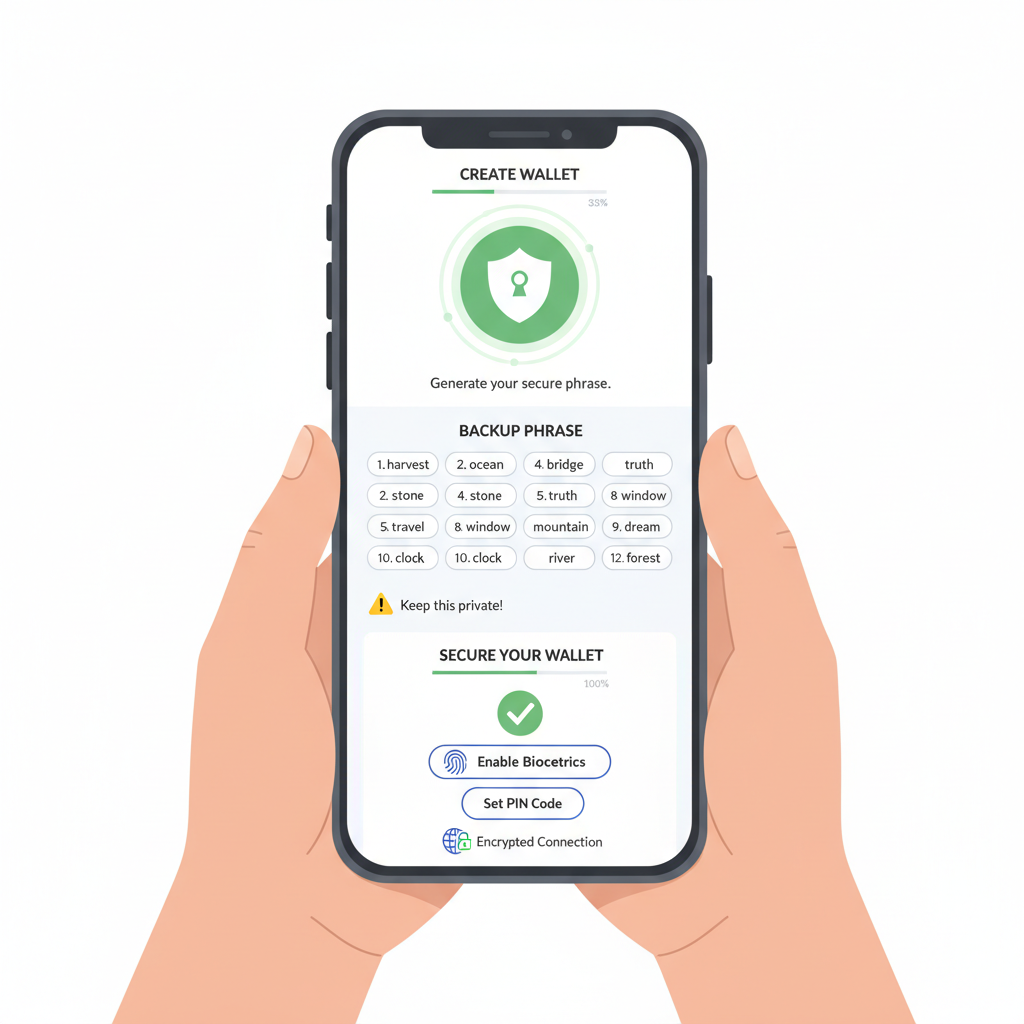
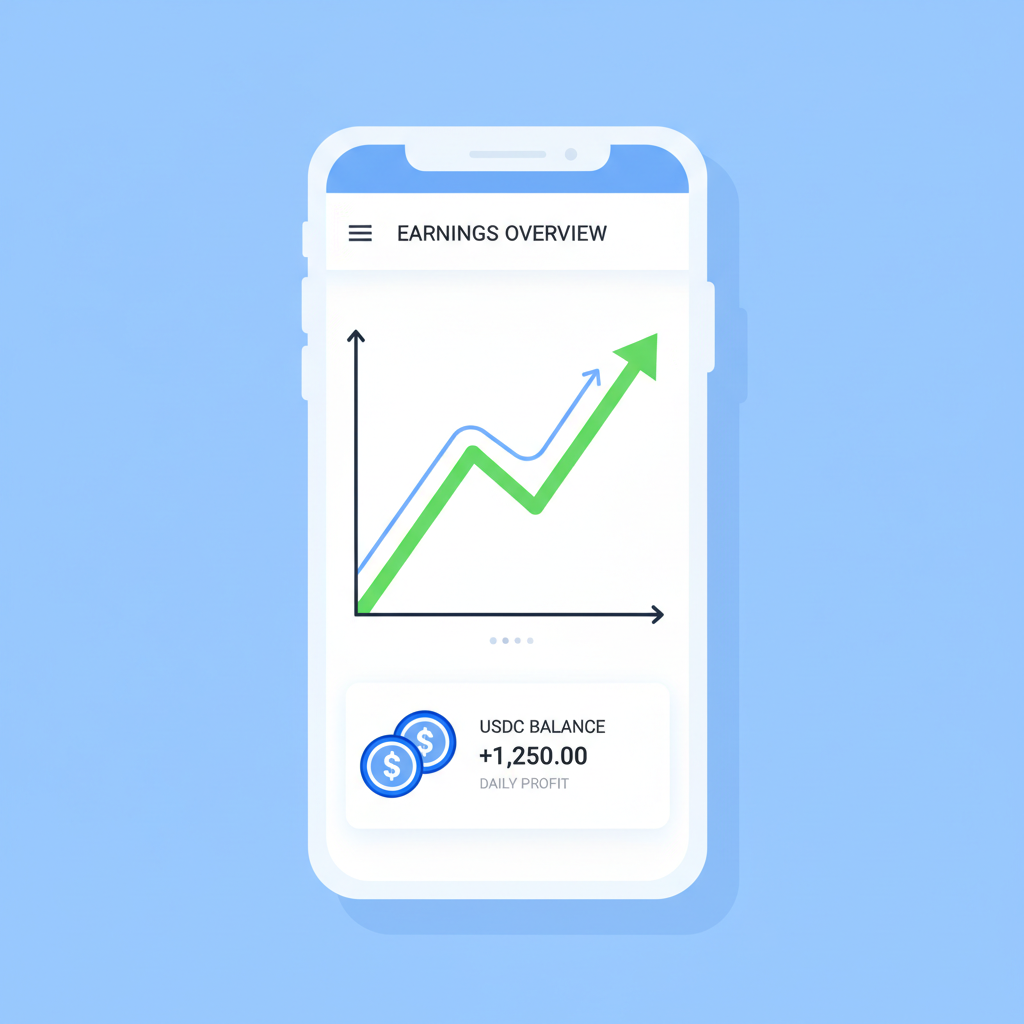
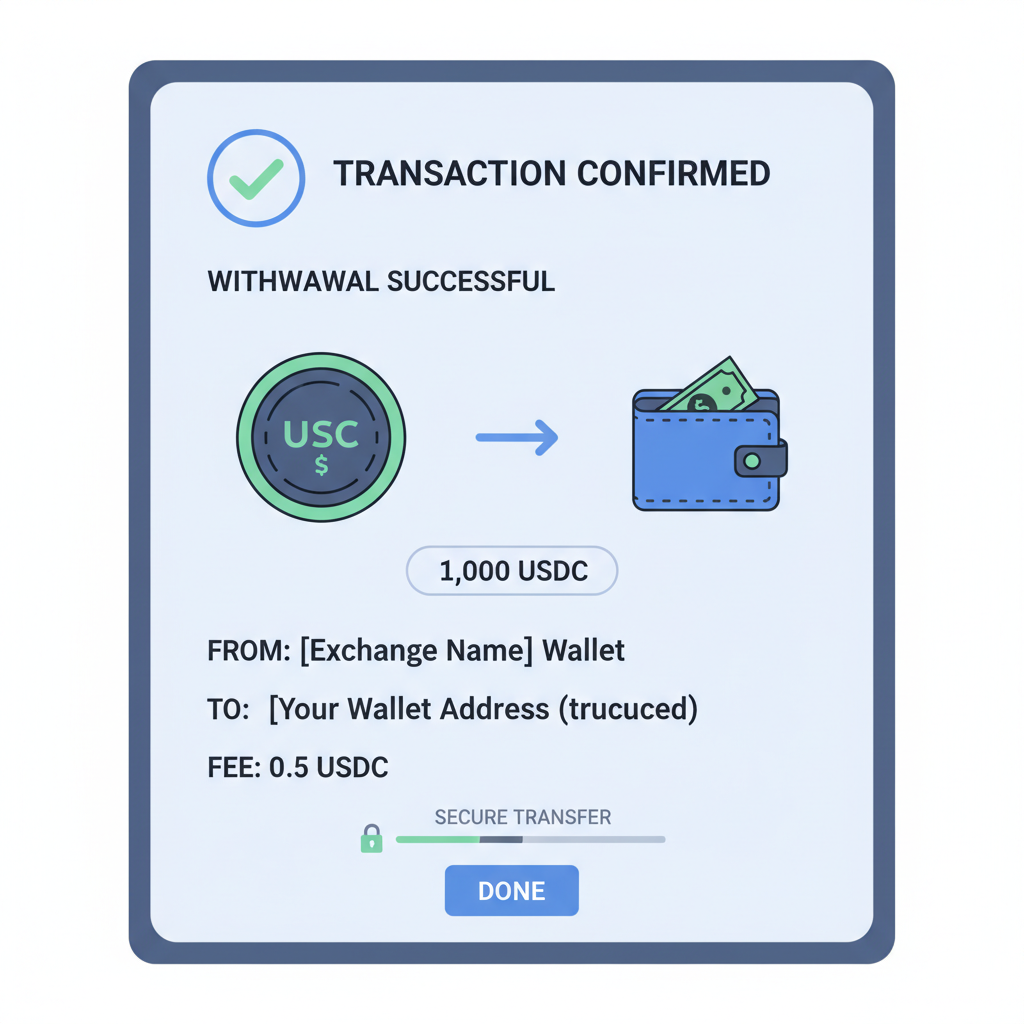
Once enrolled, earnings compound quietly. A fitness-focused union might license anonymized step counts to wearable developers, distributing USDC pro-rata via smart contracts. Returns hinge on union size and buyer demand, but precedents suggest viability: wellness data fetches steady premiums amid rising AI health tools, provided privacy wrappers hold firm.
Risks persist, of course. Regulatory tightening, as with New York’s HIPA imposing duties on wellness data stewards, could reshape licensing terms. Operator misconduct or oracle failures in payout oracles pose tail risks. Counter these with diversified union memberships and on-chain vigilance, tools that blockchain affords unlike legacy intermediaries.
Common Hurdles and Safeguards in Data Union Participation
Participants often grapple with technical barriers or skepticism over data permanence. Smart contracts address the former via user-friendly interfaces; the latter through verifiable deletion proofs. Brookings’ stablecoin scrutiny reminds us regulators seek reserve transparency, a strength for USDC that bolsters long-term viability. Health Union’s transparency pledge finds echoes here, fostering ecosystems where contributors thrive without exploitation.
From a risk lens, these unions resemble collateralized debt obligations with opt-out clauses: structured for resilience, yet demanding due diligence. Early movers gain first-mover edges in data economies shifting toward consent-driven models. NIH’s push for protected disclosures aligns perfectly, unlocking health advancements without individual compromises.
Venturing into privacy data unions health rewards offers a calibrated bet on ethical innovation. With stablecoins anchoring payouts and blockchain enforcing consents, contributors reclaim value long siphoned by gatekeepers. As legislative tailwinds strengthen, those positioning now stand to harvest sustainable yields, balancing prudence with opportunity in this evolving landscape. DataUnionPay exemplifies the blueprint: secure, remunerative, and resolutely contributor-first.