

In 2026, your fitness tracker isn't just counting steps; it's minting money. Every heartbeat logged, every mile run, and every calorie burned contributes to a burgeoning data economy where individuals pocket stablecoin payouts through data unions. This shift turns passive wearers into active earners, leveraging the supply-demand dynamics of personal health data much like commodities markets balance oil or metals. With platforms like DataUnionPay. com leading the charge, users secure fair compensation in USDC while retaining ironclad privacy and consent controls.

The fitness tech boom has supercharged this model. Devices from Oura and others have pivoted from hardware sales to data platforms, fueled by massive 2025 funding rounds that spotlight health insights as the new gold rush. Data unions aggregate these anonymized streams, selling to researchers, insurers, and trainers without exposing identities. Contributors split revenues seamlessly in stablecoins, sidestepping volatile crypto swings and fiat banking delays.
Fitness Data Unions Unlock Collective Value
Picture thousands of users pooling anonymized workout patterns: heart rate variability during HIIT sessions, sleep cycles correlated with recovery, or VO2 max trends across demographics. Data unions treat this as a commodity, matching supply from wearables to demand from AI-driven wellness apps. In 2026, data unions stablecoins fitness initiatives have exploded, with unions negotiating bulk deals that yield per-user earnings rivaling gig economy side hustles.
From a fundamentals standpoint, supply remains abundant; over 1 billion wearables ship annually, generating petabytes of untapped data. Demand surges as enterprises seek granular insights for personalized coaching algorithms. DataUnionPay exemplifies this, using decentralized governance to ensure payouts reflect true market value. No middlemen skim; smart contracts distribute USDC directly, audited for transparency.
Stablecoins Cement Trust in Data Payouts
Stablecoins anchor this ecosystem, pegged 1: 1 to the dollar for predictability. The GENIUS Act of July 2025 provided the regulatory clarity that propelled adoption, designating them as trusted rails for payments. Visa's USDC settlements cut cross-border friction, while PayPal's PYUSD powers creator payouts, proving stablecoins scale beyond crypto natives to mainstream earners.
For fitness contributors, this means instant, low-fee rewards. Track a marathon training cycle, contribute to a union dataset on endurance optimization, and receive USDC equivalent to $50-200 monthly, depending on union size and buyer bids. Credit unions now educate on stablecoin yields, positioning them as safe havens amid tightening regs. As Silicon Valley Bank predicts, stablecoins evolve into the internet's dollar, perfect for fitness data USDC earnings.
Privacy enhancements amplify appeal. Private stablecoins layer on zero-knowledge proofs, shielding transaction details even as funds flow. Experts forecast their dominance in on-chain infrastructure, outpacing public alternatives amid global scrutiny.
Navigating Wearable Data with Consent Controls
Monetize wearable data privacy isn't hype; it's engineered reality. Unions enforce granular consents: opt-in for specific datasets like cardio zones or exclude sensitive biometrics. Blockchain ledgers prove data provenance, letting buyers verify authenticity without origins.
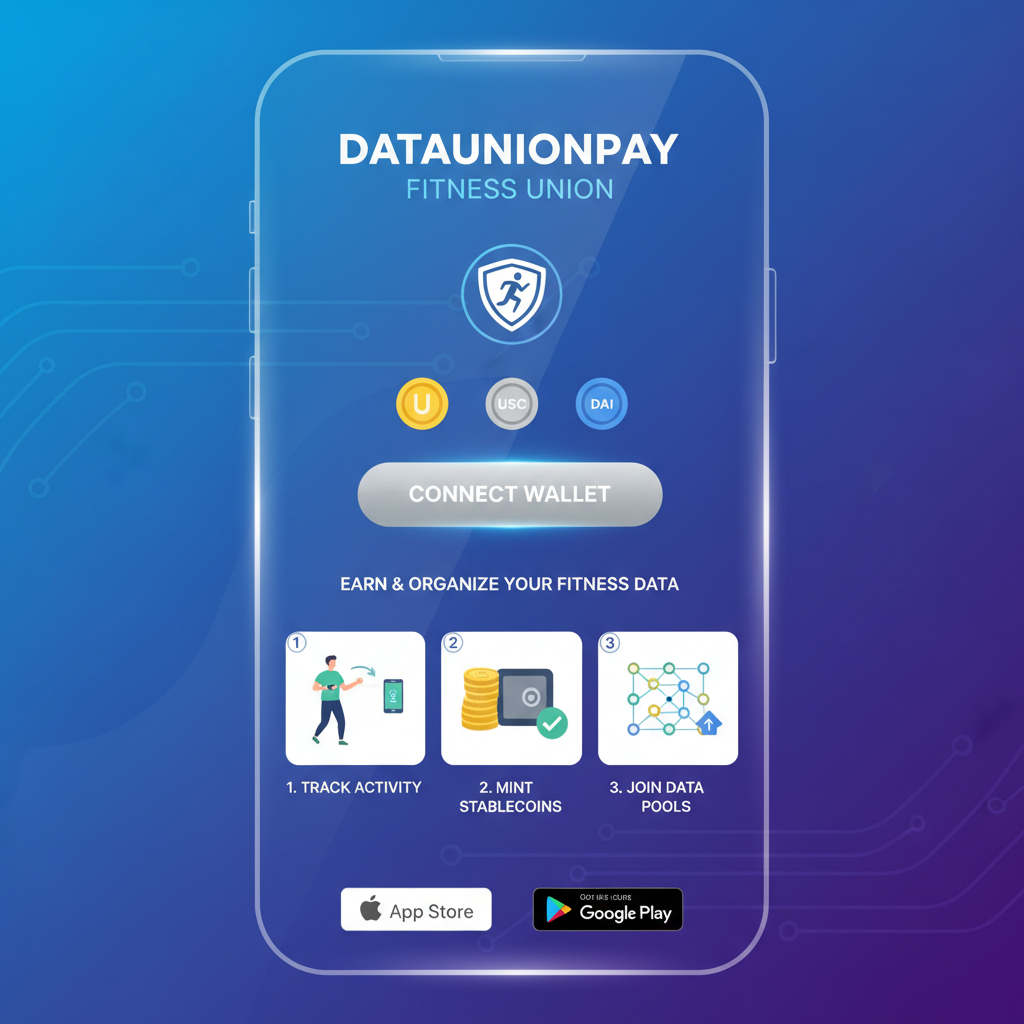
In practice, join a DataUnionPay fitness collective, set parameters via app, and watch contributions auto-monetize. Payouts vest over epochs to align long-term participation, mirroring commodity futures. This consent-driven approach flips Big Tech's extractive model, empowering users as data producers in a fair exchange.
Real-world earnings reflect these dynamics. A mid-sized fitness data union might command $0.05 per high-quality dataset entry from pharmaceutical firms modeling exercise impacts on metabolic health. With daily contributions from 10,000 members, that's $500 daily revenue split proportionally, netting active users $10-50 weekly in USDC. Larger unions scale exponentially, as bulk buyers discount less for volume. This mirrors metals markets, where spot prices firm up on sustained demand.
Step-by-Step Path to Your First Payout
Entering this market requires minimal friction, but fundamentals dictate selectivity: choose unions with proven buyer pipelines and governance track records. DataUnionPay stands out for its audited smart contracts and focus on fitness data USDC earnings, ensuring payouts track market bids without dilution.
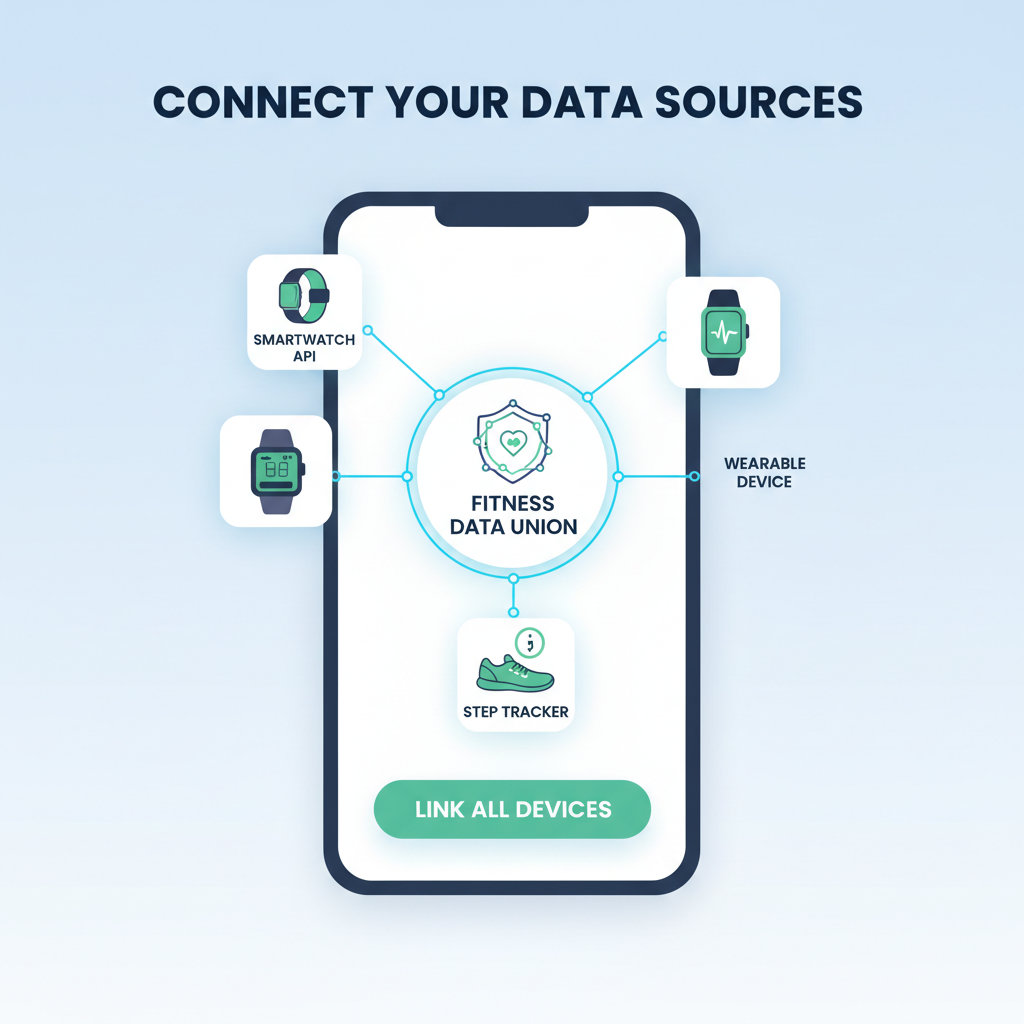
Earn USDC from Fitness Data: Join DataUnionPay Union in 5 Steps


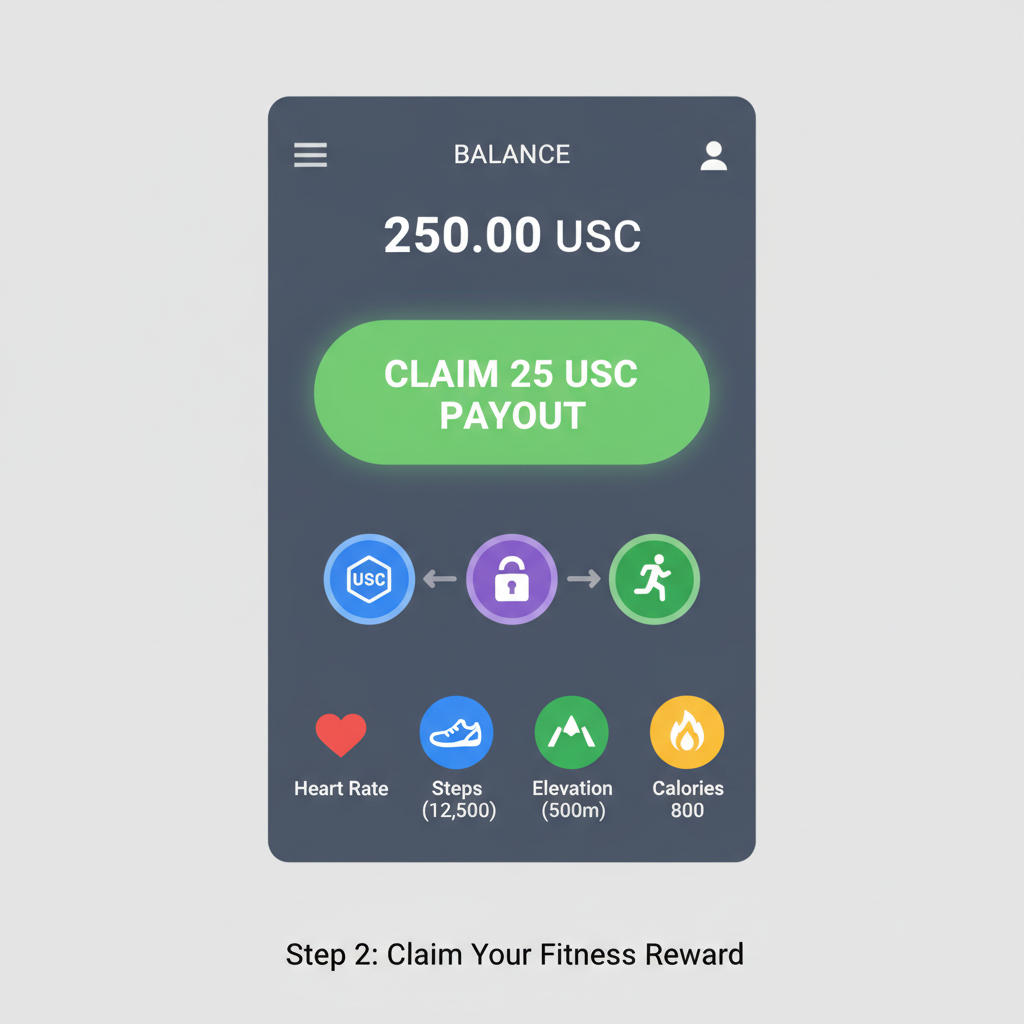
Once enrolled, monitor your dashboard for bid activity. Adjust consents dynamically; ramp up sharing during peak demand periods like New Year's resolutions. Vesting schedules, typically 30-90 days, prevent short-term dumps akin to commodity hedging, stabilizing union value.
Privacy layers add resilience. Zero-knowledge proofs verify data aggregates without revealing sources, while on-chain consents log irrevocably. This setup thwarts regulatory overreach, as 2026's privacy tokens outperform broader crypto indices by 40%, per CoinDesk analysis, driven by anonymity premiums.
Balancing Risks in Data Supply Chains
No commodity trades without volatility. Fitness data faces quality scrutiny; noisy inputs from cheap trackers dilute bids. Solution: unions implement AI curation, upweighting Oura-grade signals. Regulatory shifts, post-GENIUS Act, favor compliant platforms, but Euro stablecoin fragmentation could splinter liquidity. Stick to USDC for its Visa-backed rails and 1: 1 peg integrity.
Competition intensifies as credit unions enter, offering stablecoin education alongside yields. Yet, they lag decentralized unions in consent granularity. My view: data unions hold the edge, commoditizing fitness streams like lithium for batteries, with scarcity in premium datasets driving outsized returns.
Adoption hurdles persist for non-crypto users. Onboarding wallets daunts some, but app integrations mirror Venmo simplicity. Expect Nacha's 2026 conference to accelerate enterprise buy-in, as stablecoins claim 'internet dollar' status per SVB forecasts.
2026 Outlook: Data Unions as Market Makers
Forward curves point bullish. Private stablecoins layer privacy atop payments, per Yahoo Tech predictions, fueling data unions stablecoins fitness growth. Oura's data pivot signals hardware firms chasing software margins, amplifying supply. Users monetizing via unions capture alpha, bypassing ad-revenue scraps.
Equitable dynamics emerge: demographics underrepresented in wellness research, like older athletes, command premiums as buyers diversify datasets. This levels the field, grounding abstract data in tangible USDC flows.
Fitness trackers evolve into personal data refineries, distilling sweat equity into stable assets. DataUnionPay's model proves commodities logic applies universally: abundant supply meets discerning demand, yielding balanced trades for all contributors. Start pooling your metrics today; the market waits for no one.
No comments yet. Be the first to share your thoughts!