

In the maturing Web3 economy of 2026, two compensation models stand out for their promise of fair value: data union stablecoin payouts and web3 gig bounties. Data unions empower everyday contributors to monetize personal data through collective pools, distributing rewards in stablecoins like USDC for reliability. Meanwhile, web3 gig bounties target skilled developers with one-off, high-stakes payments for tasks like vulnerability hunting. As stablecoins surpass $250 billion in market cap, pushing toward $300 billion, these systems redefine income in decentralized networks, offering privacy-focused alternatives to traditional gigs.
Stablecoin Payouts Fuel Data Union Growth
Data unions operate as member-owned cooperatives where individuals share data selectively, earning from aggregated sales to AI trainers or market researchers. Stablecoin payouts, pegged 1: 1 to the dollar, eliminate volatility risks that plague native tokens. This stability mirrors the low-risk bond strategies I favor in retirement portfolios; contributors receive consistent value regardless of crypto market swings. Recent developments amplify this appeal. Western Union's forthcoming USDPT on Solana targets digital wallets for frictionless transfers, while Rain's integration enables stablecoin-to-cash at global outlets. Cross-border efficiency slashes costs by up to 80 percent versus legacy remittances, per industry analyses.
Comparison of Data Union Stablecoin Payouts vs Traditional Data Monetization
| Aspect | Data Union Stablecoin Payouts | Traditional Data Monetization |
|---|---|---|
| Payout Frequency | Recurring 💰 (ongoing contributions with stablecoin payouts, e.g., Western Union USDPT on Solana) | Sporadic (one-time sales or surveys) |
| Volatility | Low 📉 (pegged stablecoins, $250B-$300B market for instant settlement) | High 📈 (market-dependent or fiat delays) |
| Fees | Minimal ✅ (up to 80% cost reduction on cross-border, instant settlement) | High ❌ (bank wires, remittances) |
| Privacy | Consent-based 🔒 (collective data unions with user control) | Opaque 🌫️ (sold without full transparency) |
Such mechanisms position data unions as ethical data economies, prioritizing consent and direct contributor payouts. Platforms like DataUnionPay exemplify this, channeling USDC rewards transparently via decentralized governance. McKinsey forecasts stablecoin volumes eclipsing traditional payments within a decade, thanks to 24/7 settlement and instant finality.
Web3 Gig Bounties: High Rewards, High Stakes
Contrast this with web3 gig bounties, project-specific incentives on platforms like Immunefi. These reward bug discoveries or protocol enhancements, with SSV Network dangling up to $1 million and ENS up to $250,000 for critical flaws. Bounties suit elite coders comfortable with uncertainty, akin to speculative commodity plays during macro cycles. Success demands deep expertise in smart contracts and auditing, where a single find can yield life-changing sums but failures yield nothing.
Web3 Gig Bounties: Pros & Cons
- ✅ Massive Payouts: Platforms like Immunefi offer up to $1 million for SSV Network vulnerabilities and $250,000 for ENS critical bugs.

- ✅ Skill-Building: Participating hones expertise in smart contract auditing and blockchain security, valuable in the growing Web3 ecosystem.

- ✅ Flexible Work: Bounties allow remote, self-paced contributions on chosen projects without fixed schedules.

- ❌ Irregular Income: Earnings depend on successful bounty claims, leading to unpredictable cash flow.

- ❌ High Competition: Thousands of security researchers compete for limited high-value bounties on platforms like Immunefi.

- ❌ Technical Barriers: Requires advanced knowledge of Solidity, blockchain protocols, and vulnerability exploitation.
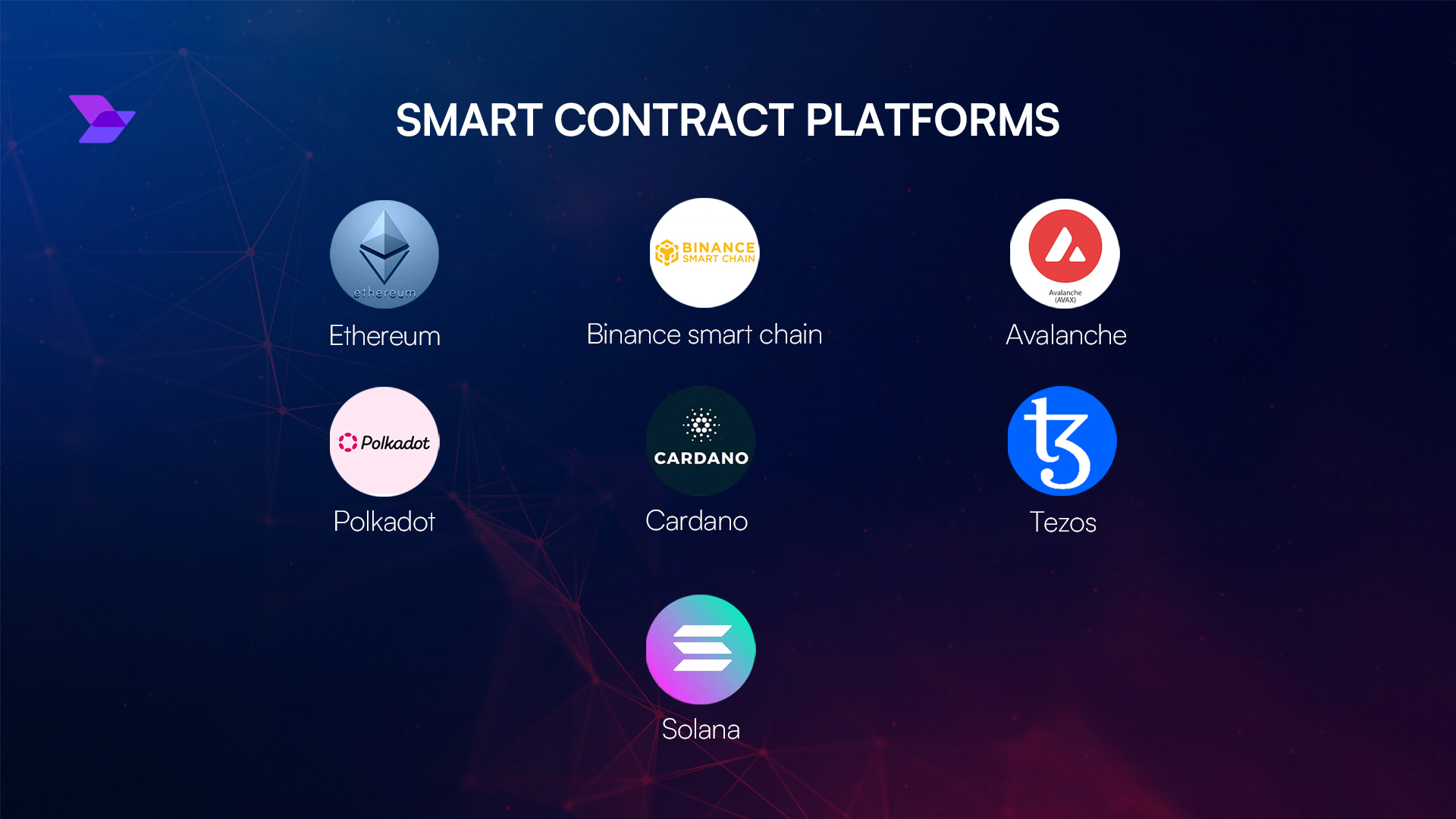
While bounties drive security in decentralized apps, their lump-sum nature exposes earners to timing risks. Payouts, often in volatile tokens, require immediate conversion to stables amid market noise. Credit unions' wariness of stablecoin rewards underscores regulatory hurdles, yet demand persists as on-chain cash reshapes finance.
Stability Versus Upside: A Fundamental Comparison
Juxtaposing data unions vs bounties USDC reveals divergent risk profiles. Stablecoin payouts deliver steady streams, ideal for broad participation; anyone with data can contribute passively, fostering inclusive web3 data rewards 2026. Bounties, however, demand active prowess, yielding outsized but episodic gains. In my 18 years analyzing assets, steady compounding trumps lottery-like windfalls for long-term wealth.
This stablecoin payouts comparison highlights data unions' edge in accessibility. Contributors bypass skill gates, monetizing daily data trails securely. Bounties, though thrilling, concentrate rewards among few, echoing bond versus equity divides. As stablecoins integrate wholesale systems, per CEPR insights, data unions gain mainstream traction, bridging web3 to everyday finance.
Quantifying the divide in a stablecoin payouts comparison underscores these dynamics. Data union members often see recurring micropayments aggregating to meaningful monthly yields, insulated by stablecoin pegs amid the $250 billion market's ascent toward $300 billion. Bounty hunters, by contrast, chase median rewards far below headline figures; Immunefi's platform logs average critical bounties around $50,000, but with months-long dry spells for most participants.
Risk-Adjusted Returns: An Investor's Lens
From my vantage as a CFA charterholder navigating 18 years of commodities and bonds, risk-adjusted returns tell the fuller story. Data unions mirror the steady accrual of fixed-income instruments, compounding contributions over time with minimal drawdowns. Volatility in bounty pursuits rivals high-beta equities, where outsized wins mask frequent zeros. Consider cross-border remittances: stablecoins cut costs by up to 80 percent, enabling data union payouts to flow globally without erosion. Platforms channeling USDC ensure atomic settlements, outpacing even tokenized deposits eyed by credit unions.
Risk Comparison: Data Unions vs. Web3 Gig Bounties
| Risk Type | Data Unions (Stablecoin Payouts) | Web3 Gig Bounties |
|---|---|---|
| Volatility | Low 🟢 | High 🔴 |
| Skill Requirement | Passive 😌 | Specialized 🧠 |
| Income Frequency | Steady 📊 | Episodic 🎯 |
| Regulatory Risk | Low ⚖️ | Medium ⚠️ |
This framework favors data unions for conservative builders of wealth. Everyday data, from browsing habits to sensor feeds, becomes a passive asset class, democratizing web3 data rewards 2026. Bounties sharpen elite edges but falter as scalable income sources.
Practical Entry Points: Getting Started Today
Entering data unions requires scant upfront capital, just a compatible wallet and consent to share. DataUnionPay streamlines onboarding, pooling contributions for USDC distributions governed transparently by members. Gig bounties demand rigorous preparation: mastering Solidity, EVM internals, and audit methodologies before platforms like Immunefi accept submissions. Western Union's USDPT launch on Solana further lubricates this ecosystem, promising seamless wallet top-ups and cash-outs via Rain partnerships.
Steps to Join a Data Union
- Select a privacy-focused platform such as Ocean Protocol Data Unions.

- Connect your wallet, such as MetaMask, to the platform.
- Grant granular consents for specific data sharing while maintaining privacy controls.

- Contribute data passively via browser extension or app in the background.
- Receive USDC payouts automatically based on data contributions.
Such accessibility cements data unions as the prudent path in data unions vs bounties USDC debates. They sidestep the feast-or-famine cycle, aligning with patience-driven strategies that turn incremental gains into enduring portfolios.
Stablecoins' plug-in to wholesale systems, as noted by financial scholars, propels this shift. Projections from McKinsey see their transactions eclipsing legacy rails within a decade, fueled by 24/7 availability and near-zero fees. For retirement-minded individuals, data unions offer the volatility-proof compounding absent in bounty volatility. Platforms prioritizing consent and direct payouts foster ethical data markets, where contributors reclaim sovereignty over their digital footprints.
Patience turns data streams into stablecoin opportunity, much as macro cycles reward the steadfast investor.
As Web3 matures, blending steady data rewards with selective bounty pursuits forms balanced strategies. Yet for most, the reliable cadence of stablecoin payouts prevails, anchoring the decentralized economy's inclusive foundation.


No comments yet. Be the first to share your thoughts!