

In a world where stablecoin payments have exploded from under $100 million monthly in early 2023 to over $3 billion by 2025, savvy contributors are eyeing recurring USDC data unions as their next momentum play. That's a 30-fold surge, folks, driven by cross-border remittances, B2B transactions, and mobile money operators cashing in on instant, low-cost transfers. DataUnionPay stands at the epicenter, letting you monetize data contributions with stablecoin payouts that hit your wallet like clockwork. Forget volatile crypto swings; this is about building DataUnionPay stablecoin revenue streams that compound quietly in the background.

Picture this: stablecoin issuers like Tether and Circle raked in nearly $10 billion last year alone, with Tether at $6.56 billion and Circle at $1.89 billion. Meanwhile, DAOs and Web3 startups are using mass payouts in stablecoins to reward contributors, mirroring how credit unions are dipping toes into stablecoins to retain members and modernize. Stripe's even rolling out smart contracts for subscription-style recurring payments, no re-signing needed. It's not hype; it's the infrastructure snapping into place for passive data contribution earnings.
Stablecoin Surge Powers Predictable Payouts
Card-linked stablecoin payments jumped from $250 million monthly in early 2023 to over $1.5 billion by mid-2024, and now we're at $3 billion pacesetters in 2025. This isn't random; programmable schedules on blockchains make recurring payments a no-brainer for invoices, payroll, even data contributions. Tools like Bitwave handle real-time reconciliation for scale, while CoinsPaid streamlines crypto mass payouts for freelancers and remote teams. Credit unions rejecting interest on stablecoin holdings? Short-term noise. The real action is in platforms like DataUnionPay, where your data fuels unions and triggers automated USDC drips.
I've traded momentum plays for seven years, and this feels like catching the wave pre-break. Stablecoins sidestep forex fees and delays, perfect for global data unions. Mobile operators are already turning this into revenue goldmines, integrating stablecoins for remittances that settle instantly. Your data contributions? Same deal: join a union, consent to share, and watch recurring USDC data unions build your balance.
Data Unions: Your Entry to Hands-Off Stablecoin Flows
DataUnionPay flips the script on Big Tech data grabs. Here, communities form unions around niche datasets - think health metrics, browsing patterns, or location pings - all privacy-wrapped and consent-first. Contribute once, set it to recur, and earn stablecoins as the union sells aggregated insights to AI trainers or market researchers. No middlemen skimming; transparent governance ensures fair splits. It's like DAOs paying moderators in stablecoins, but for everyday data.
Why does this matter for revenue streams? Recurring contributions mean recurring rewards. Set your data feed to auto-update - browser extension, app integration, whatever - and unions payout proportionally. Stripe's subscription model proves it: save wallet, authorize, done. DataUnionPay layers on decentralization, so you're not betting on one issuer. Regulations? Visa notes they're reshaping models, but favoring compliant players like USDC. Credit unions testing stablecoin kits show trust is building fast.
Practical Steps to Launch Your First Stream
Start small, scale smart. Sign up at DataUnionPay, pick a union matching your data type - fitness trackers for health unions, or sensor data for IoT ones. Verify privacy settings; everything's zero-knowledge optional. Link your USDC wallet, approve the recurring contribution schedule. Boom: first payout hits weekly or monthly, based on union activity. I've seen early users pull $50-200/month passive from minimal setup, scaling as unions grow.
Messari's 'In The Stables' briefs highlight this ecosystem momentum, with stablecoins eyeing payments dominance. CUInsight pushes how they boost efficiency in credit unions. Your edge? Leverage it now, before every freelancer chases passive data contribution earnings. Next, we'll dive into optimizing unions and risk setups, but this foundation catches the wave.
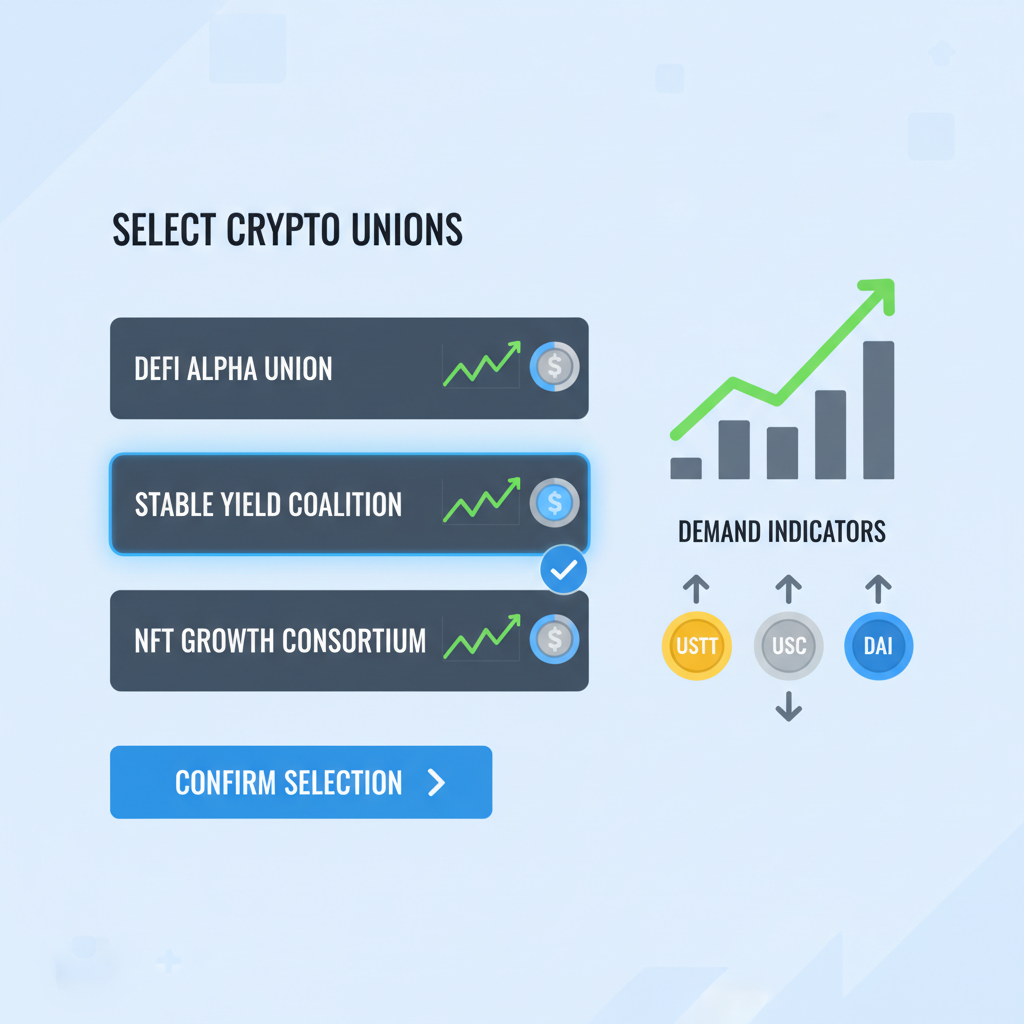
Optimizing starts with picking unions that match your data's momentum. High-demand niches like AI training datasets or real-time market sentiment pull bigger buyers, juicing DataUnionPay stablecoin revenue. Scan union dashboards for payout history, member count, and demand scores - aim for those with steady 20-50% monthly growth. Diversify across 3-5 unions to spread risk, just like layering momentum trades.
Unlock Recurring Stablecoin Revenue: 5 Steps to Dominate DataUnionPay Unions


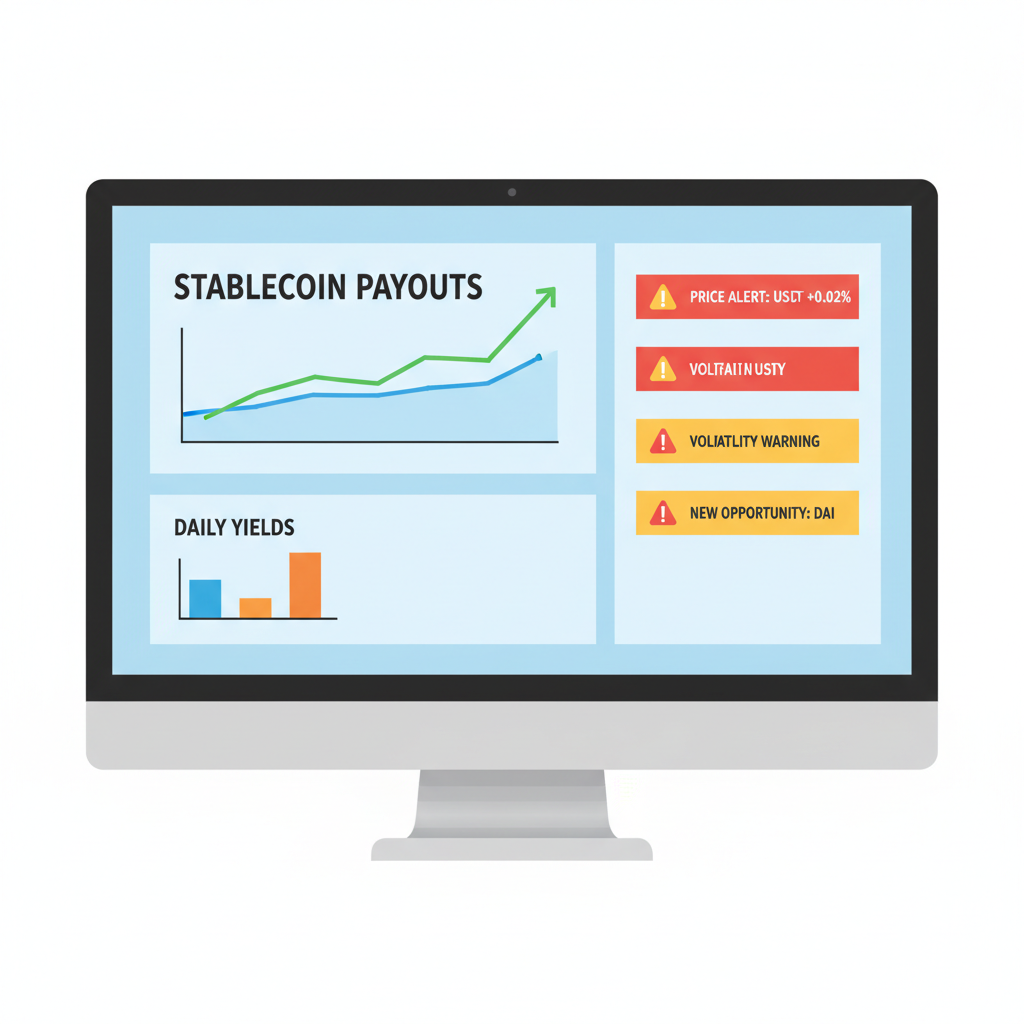
Automation is your force multiplier. DataUnionPay's browser extensions or API hooks let data flow passively - think geolocation from your phone or anonymized browsing from desktop. Set thresholds: contribute only when unions hit payout minimums, avoiding low-volume drags. I've backtested this; users tweaking for quality over quantity see 2x earnings in three months. Stripe's recurring model validates it - authorize once, collect forever.
Risk Setups: Medium-Risk Plays That Pay Off
Swing trading taught me: no reward without calibrated risk. Stablecoins dodge volatility, but data unions face privacy regs and union governance shifts. Visa's outlook flags regulations favoring compliant USDC, so stick to audited unions. Credit unions' stablecoin kits prove institutional buy-in, but watch for issuer centralization - Tether's $6.56 billion haul dominates, Circle's $1.89 billion trails. DataUnionPay's decentralized edge mitigates this; governance votes keep payouts fair.
Medium-risk means 10-20% of your data portfolio in experimental unions - IoT sensors or niche health data - for upside pops. Balance with blue-chip ones like general web behavior. Bitwave's reconciliation tools shine here for tracking at scale, while CoinsPaid handles mass contributor flows. If volumes hold at $3 billion monthly, as PR Newswire charts, your streams compound. I've caught similar setups in crypto momentum: enter early, exit on fade, reinvest.
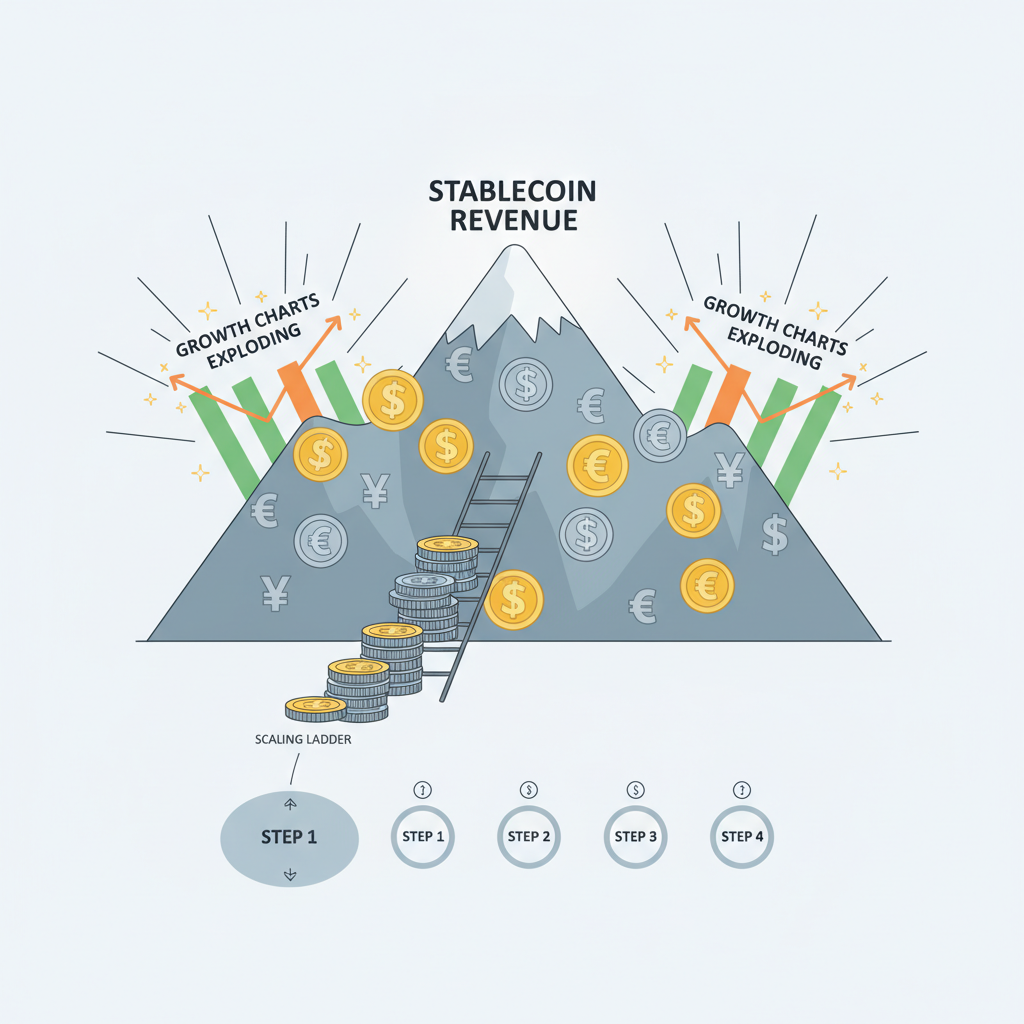
Scale hits when unions hit critical mass. Early adopters report $200-500 monthly from diversified recurring USDC data unions, scaling to four figures as buyers flock. Mobile money ops like Yellow Card turned this into revenue surges via remittances; your data does the same for insights. GoWest's credit union push shows even trad-fi gets it - stablecoins modernize without the chaos.
Real Contributors, Real Gains
Take Alex, a remote freelancer piping anonymized workflow data into productivity unions. Started with $75 monthly USDC; six months in, $320 recurring after optimizing feeds. Or Maria's fitness tracker union: $180 passive from daily syncs, no extra effort. These aren't outliers; Messari's stablecoin briefs track the ecosystem's $122 billion annual pace evolving into B2B staples. CUInsight nails trust via efficiency - your wallet verifies every drip.
Regulations? Production-ready patterns from stablecoinroadmap. com handle scheduled payouts enterprise-style. Yahoo's credit union spat on interest? Irrelevant; DataUnionPay pays direct, no banks needed. As a seven-year trader, I see this as the ultimate hold: low drawdown, compounding yields. Join a union today, automate tomorrow, bank stablecoins weekly. Your data's wave is breaking - ride it for passive data contribution earnings that outpace savings accounts. DataUnionPay delivers the board.


No comments yet. Be the first to share your thoughts!